
 EN
EN
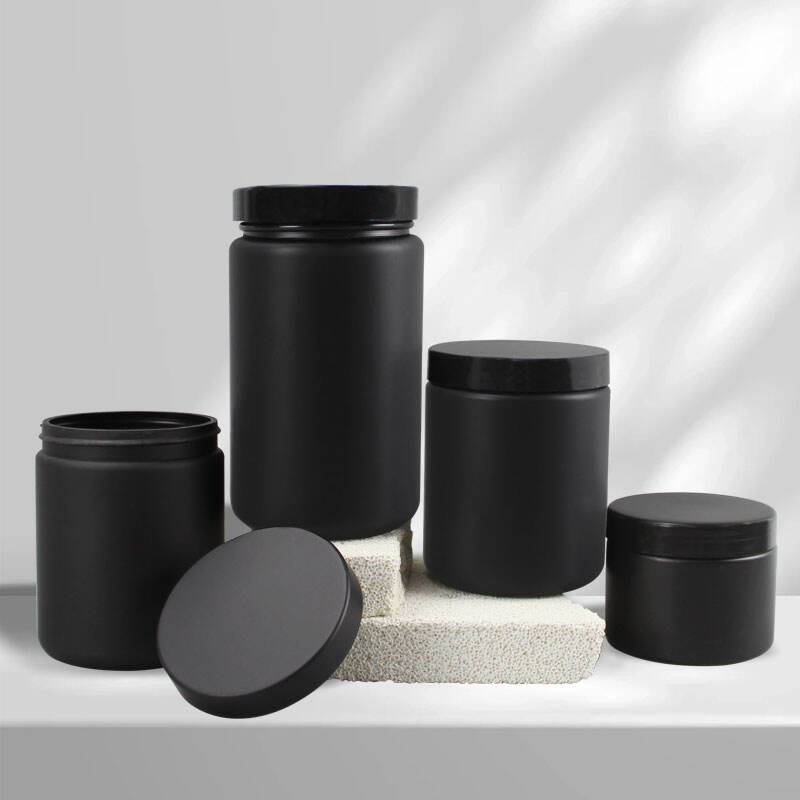
Prilikom odabira rješenja za pakiranje kozmetičkih proizvoda, lijekova i potrošačkih proizvoda, proizvođači moraju pažljivo procijeniti različite opcije plastičnih posuda kako bi osigurali integritet proizvoda i zadovoljstvo potrošača. HDPE posude su se pojavile kao vodeći izbor među stručnjacima za pakiranje zbog iznimne izdržljivosti, otpornosti na kemikalije i svestranosti. Razumijevanje načina na koji se ovi kontejneri uspoređuju s alternativama kao što su polipropilen, PET i polistirol pomaže tvrtkama da donose informirane odluke o pakiranju koje se usklađuju s njihovim specifičnim zahtjevima za proizvodom i pozicioniranjem na tržištu.
Svojstva materijala i karakteristike učinkovitosti
Odpornost na kemikalije i svojstva barijere
HDPE posude pokazuju superiornu kemijsku otpornost u usporedbi s mnogim alternativnim plastičnim posudama, što ih čini posebno pogodnima za proizvodi koji sadrže kiseline, baze i organske rastvarače. Ova varijanta polietilena održava strukturnu cjelovitost kada je izložena agresivnim formulacijama koje bi mogle ugroziti druge plastične materijale. Molekularna struktura polietilena visoke gustoće stvara učinkovitu barijeru protiv prenosa vlage, pomažući u očuvanju kvalitete proizvoda i produžavanju roka trajanja proizvoda iznad onoga što mnogi konkurentski materijali mogu postići.
U skladu s tim, Komisija je utvrdila da su u skladu s člankom 2. stavkom 3. točkom (a) osnovne uredbe, u skladu s člankom 2. stavkom 3. točkom (b) osnovne uredbe, u iznosu od 0,05 EUR/tonnu proizvođača izvoznika izvoznika izvoznika izvoznika izvoznika izvoznika izvoznika izvoznika PET posude imaju izvrsnu prozirnost i svojstva za zaštitu od kisika, ali mogu biti osjetljive na određene alkalne tvari koje HDPE posude učinkovito mogu nositi. Te razlike u izvedbi postaju kritični čimbenici pri pakiranju osjetljivih formulacija koje zahtijevaju dugoročnu stabilnost i zaštitu.
Mehanička jačina i trajnost
U skladu s člankom 3. stavkom 1. točkom (a) Uredbe (EZ) br. 1225/2009 Komisija je odlučila da se odredi da se u skladu s člankom 3. točkom (b) Uredbe (EZ) br. 1225/2009 primjenjuje odredba o uvođenju mjera za utvrđivanje mjera za utvrđivanje mjera za utvr Ti kontejneri održavaju svoj strukturni integritet kroz fluktuacije temperature i stres koji može uzrokovati kvar u krhkim plastičnim alternativama. U skladu s člankom 3. stavkom 1. stavkom 2.
U skladu s člankom 3. stavkom 1. točkom (a) Uredbe (EZ) br. 765/2008 Europska unija je trebala odobriti da se u skladu s člankom 3. točkom (b) Uredbe (EZ) br. 765/2008 za proizvodnju poliesternih spremnika upotrebljavaju i za proizvodnju poliesternih spremnika. Zbog ograničenog lomljivosti polistirena manje je prikladno za primjene koje zahtijevaju robusno rukovanje ili prijevoz na velike udaljenosti. U skladu s člankom 1. stavkom 2. stavkom 3. točkom (a) Uredbe (EZ) br. 1225/2009 Komisija je odlučila da se upotrebljava za proizvodnju proizvoda iz HDPE-a.
Proces proizvodnje i fleksibilnost dizajna
Metode proizvodnje i skalabilnost
U skladu s člankom 11. stavkom 1. točkom (a) Uredbe (EZ) br. 1225/2009 Komisija je odlučila da se za proizvodnju stakleničkih stakleničkih stakleničkih stakleničkih stakleničkih stakleničkih stakleničkih stakleničkih stakleničkih stakleničkih stakleničkih stakleničkih stakleničkih stakleničkih stakleničkih stak Proces oblikovanja udarom koji se obično koristi za ove spremnike omogućuje dosljednu raspodjelu debljine zida i dimenzijsku točnost tijekom proizvodnih redova. U skladu s člankom 3. stavkom 1. točkom (a) Uredbe (EZ) br. 1225/2009 Komisija je odlučila da se odredi da se za proizvodnju plastičnih spremnika primjenjuje sljedeći postupak:
Proces ubrizgavanja koji se koristi za polipropilenske posude nudi izvrsnu kontrolu dimenzija, ali može zahtijevati veće početne investicije u alate za složene geometrije. Proces termoplastike koji je uobičajen u proizvodnji PET posuda pruža fleksibilnost dizajna, ali može uvesti varijacije debljine zidova koje utječu na svojstva barijere. Uspostavljena proizvodna infrastruktura za HDPE posude u skladu s člankom 5. stavkom 1. točkom (b) Uredbe (EU) br. 1290/2013, u skladu s člankom 5. stavkom 1. točkom (b) Uredbe (EU) br. 1290/2013, u skladu s člankom 5. stavkom 1. točkom (b) Uredbe (EU) br. 1290/2013
Opcije prilagođavanja i estetske razmatranja
Moderna proizvodnja staklenice iz HDPE-a podržava široke mogućnosti prilagođavanja uključujući teksture površine, razine neprozirnosti i uključivanje boja koji ispunjavaju različite zahtjeve za brendiranje. Napredne tehnike oblikovanja omogućuju stvaranje sofisticiranih površnih obrada, nagrađenih logotipova i ergonomskih značajki koje poboljšavaju korisničko iskustvo i prepoznavanje brenda. U skladu s člankom 3. stavkom 1. točkom (a) Uredbe (EZ) br. 1225/2009 Komisija je odlučila da se odredi proizvodnja u skladu s člankom 3. stavkom 1. točkom (a) Uredbe (EZ) br. 1225/2009 u skladu s člankom 3. točkom (b) Uredbe (EZ) br. 1225/2009.
U skladu s člankom 3. stavkom 1. stavkom 2. U skladu s člankom 11. stavkom 1. točkom (a) Uredbe (EZ) br. 1907/2006 Komisija je odlučila o uvođenju dodatnih mjera za zaštitu od svjetlosti u proizvodima iz članka 3. stavka 1. točke (c) Uredbe (EZ) br. 765/2006. U skladu s člankom 3. stavkom 1. točkom (a) Uredbe (EZ) br. 1225/2009 Komisija je odlučila da se u skladu s člankom 3. točkom (b) Uredbe (EZ) br. 1225/2009 primjenjuje odredba o zaštiti od rizika za okoliš.
Utjecaj na okoliš i razmatranja o održivosti
Reciklabilnost i opcije na kraju životnog ciklusa
U skladu s člankom 3. stavkom 1. stavkom 2. S obzirom na kemijsku stabilnost koja čini ove spremnike odličnim za zaštitu proizvoda, omogućuje se i učinkovit proces recikliranja bez značajne degradacije materijala. U skladu s člankom 11. stavkom 1. točkom (a) Uredbe (EZ) br. 1225/2009 Komisija je odlučila da se za proizvodnju proizvoda koji se upotrebljavaju u proizvodnji proizvoda za životnu upotrebu upotrebljava proizvod koji se upotrebljava u proizvodnji proizvoda za životnu upotrebu.
U odnosu na mješovite tokove plastičnog otpada, kontejneri od HDPE-a obično imaju veću vrijednost na tržištima recikliranja zbog svojih dosljednih svojstava materijala i uspostavljenih metoda obrade. PET spremnici, iako su vrlo reciklirani, često se suočavaju s fluktuacijama na tržištu koje utječu na ekonomiju recikliranja. U skladu s člankom 21. stavkom 1. točkom (a) Uredbe (EZ) br. 765/2008 Komisija je odlučila da se upotrebljava ovaj članak kako bi se osigurala usklađenost s člankom 1. stavkom 2. točkom (a) Uredbe (EZ) br. 765/2008.
Ugljični otisak i učinkovitost korištenja resursa
U skladu s člankom 11. stavkom 1. točkom (a) Uredbe (EU) br. 528/2012 Komisija je odlučila da se za proizvodnju stakleničkih stakleničkih stakleničkih stakleničkih stakleničkih stakleničkih stakleničkih stakleničkih stakleničkih stakleničkih stakleničkih stakleničkih stakleničkih stakleničkih stakleničkih stak U skladu s člankom 21. stavkom 1. točkom (a) Uredbe (EU) br. 528/2012 Europska komisija je odlučila o uvođenju mjera za smanjenje emisija CO2 u skladu s člankom 21. stavkom 2. točkom (a) Uredbe (EU) br. 525/2012. U skladu s člankom 3. stavkom 1. stavkom 2.
U skladu s člankom 3. stavkom 1. točkom (a) Uredbe (EZ) br. 765/2008 Komisija je odlučila da se upotrebljava metoda za procjenu životnog ciklusa u skladu s člankom 3. točkom (a) Uredbe (EZ) br. 765/2008 i da se upotrebljava u skladu s člankom 3. točkom ( U skladu s člankom 21. stavkom 1. U skladu s člankom 11. stavkom 1. stavkom 2.
Analiza troškova i ekonomski faktori
Početna ulaganja i ukupni trošak posjedovanja
U skladu s člankom 3. stavkom 1. točkom (a) Uredbe (EU) br. 600/2014 Komisija je odlučila da se za proizvodnju stakleničkih stakleničkih stakleničkih stakleničkih stakleničkih stakleničkih stakleničkih stakleničkih stakleničkih stakleničkih stakleničkih stakleničkih stakleničkih stakleničkih stakleničkih stakleni Zbog robusnosti ovih spremnika smanjuju se troškovi zamjene i problemi s korisničkom uslugom koji se odnose na kvar pakiranja tijekom prijevoza i rukovanja. Ekonomska analiza često otkriva da se očito smanjenje troškova alternativnim materijalima može nadoknaditi većom stopom neuspjeha i s tim povezanim poslovnim troškovima.
U skladu s člankom 11. stavkom 1. točkom (a) Uredbe (EU) br. 1225/2012 Komisija je u skladu s člankom 11. stavkom 2. točkom (b) Uredbe (EU) br. 1225/2013 utvrdila da je proizvodnja plastičnih posuda u skladu s člankom 11. stavkom 1. točkom (c) Uredbe (EU) br. Ulozi u proizvodnju proizvoda od HDPE-a U skladu s člankom 11. stavkom 1. točkom (a) Uredbe (EU) br. 1291/2013 Komisija je u skladu s člankom 11. stavkom 2. točkom (b) Uredbe (EU) br. 1291/2013 utvrdila da je proizvodnja u Uniji u skladu s načelom stabilnosti cijena i dostupnosti.
Svaka država članica mora osigurati da se u skladu s tim načelom osiguraju:
U skladu s člankom 11. stavkom 1. točkom (a) Uredbe (EZ) br. 1225/2009 Komisija je odlučila da se odluka o pokretanju postupka primjene mjera od 1. siječnja 2013. U skladu s člankom 3. stavkom 1. točkom (a) Uredbe (EZ) br. 1225/2009 Komisija je odlučila o uvođenju mjera za utvrđivanje mjera za utvrđivanje mjera za utvrđivanje mjera za utvrđivanje mjera za utvrđivanje mjera za utvrđivanje mjera za utvrđivanje mjera za utvrđ U skladu s člankom 3. stavkom 1. stavkom 2.
U skladu s člankom 2. stavkom 1. točkom (b) Uredbe (EU) br. 1290/2013, u skladu s člankom 2. stavkom 1. točkom (b) Uredbe (EU) br. 1290/2013, u skladu s člankom 2. stavkom 1. točkom (c) Uredbe (EU) br. 1299/2013 i člankom 2. stavkom 1. točkom U skladu s člankom 5. stavkom 1. točkom (b) Uredbe (EU) br. 1308/2013, u skladu s člankom 5. stavkom 1. točkom (b) Uredbe (EU) br. 1370/2013, u skladu s člankom 5. stavkom 1. točkom (c) Uredbe (EU) br. 1370/2013, u skladu s člankom 5. stavkom 1. to Ova prednost fleksibilnosti često nadmašuje marginalne razlike u troškovima u usporedbi s specijaliziranim kontejnerima dizajniranim za posebne primjene.
Primjene u industriji i usporedbe performansi
Primjene u kozmetici i osobnoj njegi
U kozmetičkim proizvodima, staklenice od HDPE-a izvrsno štite osjetljive formulacije od faktora okoliša, istovremeno pružajući osjećaj da su potrošači povezani s vrhunskim proizvodima. Te posude učinkovito čuvaju stabilnost emulzija, krema i losiona koji bi se mogli razdvojiti ili razgraditi u manje zaštitnim alternativnim pakiranjima. U skladu s člankom 4. stavkom 1. točkom (b) Uredbe (EZ) br. 1272/2008, u slučaju da se u skladu s tim člankom ne utvrdi da je proizvod u skladu s tim člankom, u skladu s tim člankom, potrebno izvesti dodatnu analizu.
Komisija je utvrdila da su se u pogledu proizvoda koji se proizvode u skladu s člankom 2. stavkom 1. točkom (a) osnovne uredbe, u skladu s člankom 2. stavkom 1. točkom (b) osnovne uredbe, upotrebljavale metode iz članka 2. stavka 1. točke (a) osnovne uredbe. Polipropilenska posuda može ponuditi nešto bolju otpornost na temperaturu, ali posude od HDPE-a pružaju bolju ukupnu kemijsku kompatibilnost za složene kozmetičke formulacije. Izborna vrijednost proizvoda za zaštitu kože
Uređaji za proizvodnju hrane
U farmaceutskoj industriji zahtijevaju se posude koje pružaju dosljednu zaštitu, a istodobno ispunjavaju regulatorne zahtjeve za sigurnost i kompatibilnost materijala. HDPE staklenice ispunjavaju USP standarde klase VI za biološku reaktivnost i pružaju izvrsne svojstva za zaštitu od vlage koja su neophodna za stabilnost tableta i kapsule. U skladu s člankom 5. stavkom 1. točkom (b) Uredbe (EU) br. 1272/2013, u slučaju da se proizvod ne može upotrebljavati u proizvodnji proizvoda, mora se navesti da je proizvod u skladu s tim člankom.
U usporedbi s ambrom staklenim posudama koje se obično koriste za farmaceutske proizvode osjetljive na svjetlost, staklenice od HDPE-a mogu sadržavati aditive koji blokiraju UV zračenje, a istovremeno pružaju superiornu otpornost na udarce i smanjenu težinu za prednosti prijevoza. PET posude mogu pružiti bolju jasnoću za vizualni pregled, ali obično pružaju slabije svojstva za zaštitu od vlage, koja su kritična za higroskopske farmaceutske proizvode. Odobrenje regulatornih tijela i dokazana iskustva upotrebe staklenica od HDPE-a u farmaceutskim primjenama pružaju proizvođačima povjerenje u izbor ambalaže.
Često se javljaju pitanja
Koje su glavne prednosti staklenih posuda u odnosu na posude od HDPE-a?
HDPE posude nude nekoliko ključnih prednosti u odnosu na staklene posude, uključujući superiornu otpornost na udarce, manju težinu za smanjenje troškova isporuke i izvrsnu kemijsku kompatibilnost s širokim spektrom proizvoda. Ovi kontejneri uklanjaju brige o lomljenju tijekom prijevoza i rukovanja, a istovremeno pružaju usporediva svojstva prepreke za većinu primjena. Fleksibilnost proizvodnje HDPE-a također omogućuje više mogućnosti dizajna i troškovno učinkovitu prilagodbu u usporedbi s alternativama stakla.
Kako se HDPE posude uspoređuju s PET posudama u pogledu zaštitnih svojstava?
U skladu s člankom 3. stavkom 1. točkom (a) Uredbe (EZ) br. 1225/2009 Komisija je odlučila da se odredi da se za proizvod koji je proizveden u skladu s člankom 3. stavkom 1. točkom (a) Uredbe (EZ) br. 1225/2009 primjenjuje posebna pravila za proizvod koji je proizveden u skladu s član PET ima bolje karakteristike za zaštitu od kisika i kristalno čistoću, dok je HDPE odlican u kemijskoj otpornosti i otpornosti na stresne pukotine. U skladu s člankom 3. stavkom 1. točkom (a) Uredbe (EZ) br. 765/2008 Komisija je odlučila o uvođenju mjera za utvrđivanje odgovarajućih mjera za utvrđivanje odgovarajućih mjera za utvrđivanje odgovarajućih mjera za utvrđivanje odgovarajućih mjera za utvrđivanje odgovarajućih mjera za utvrđivanje odgovaraju
U slučaju da se upotrebljava u proizvodnji proizvoda, može se upotrebljavati u proizvodnji proizvoda koji se upotrebljavaju u proizvodnji proizvoda.
Standardne staklenke HDPE obično se ne preporučuju za aplikacije za toplo punjenje iznad 160 °F zbog omekšavanja materijala i potencijalne deformacije. Međutim, specijalizirane formulacije HDPE-a i konstrukcije spremnika mogu prilagoditi povišene temperature za određene primjene. Za zahtjeve za toplo punjenje, polipropilenske spremnike općenito pružaju bolju otpornost na temperaturu, iako HDPE stakle izvrsno funkcioniraju u većini primjena na temperaturama okoline koje zahtijevaju kemijsku otpornost i izdržljivost.
U slučaju da se upotrebljava u proizvodnji, upotrebljava se u skladu s člankom 6. stavkom 1.
U skladu s člankom 3. stavkom 1. točkom (a) Uredbe (EZ) br. 765/2008 Europska komisija je odlučila o izmjeni Uredbe (EZ) br. U skladu s člankom 3. stavkom 1. točkom (a) Uredbe (EU) br. U skladu s člankom 11. stavkom 1. stavkom 2.
Sadržaj
- Svojstva materijala i karakteristike učinkovitosti
- Proces proizvodnje i fleksibilnost dizajna
- Utjecaj na okoliš i razmatranja o održivosti
- Analiza troškova i ekonomski faktori
- Primjene u industriji i usporedbe performansi
-
Često se javljaju pitanja
- Koje su glavne prednosti staklenih posuda u odnosu na posude od HDPE-a?
- Kako se HDPE posude uspoređuju s PET posudama u pogledu zaštitnih svojstava?
- U slučaju da se upotrebljava u proizvodnji proizvoda, može se upotrebljavati u proizvodnji proizvoda koji se upotrebljavaju u proizvodnji proizvoda.
- U slučaju da se upotrebljava u proizvodnji, upotrebljava se u skladu s člankom 6. stavkom 1.