
 EN
EN
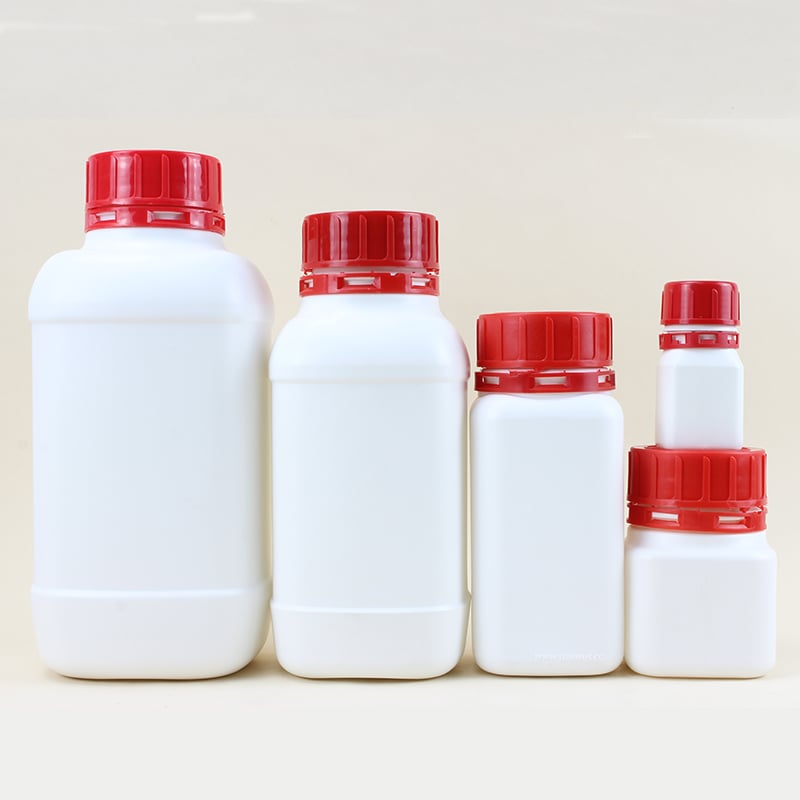
Selecting the right chemical bottle size is one of the most overlooked yet critical decisions in laboratory, industrial, and manufacturing environments. Many organizations focus primarily on chemical type and storage location, but neglect to consider how bottle volume affects safety, cost-efficiency, and operational workflow. The right sizing directly impacts regulatory compliance, contamination prevention, shelf-life preservation, and employee safety protocols.
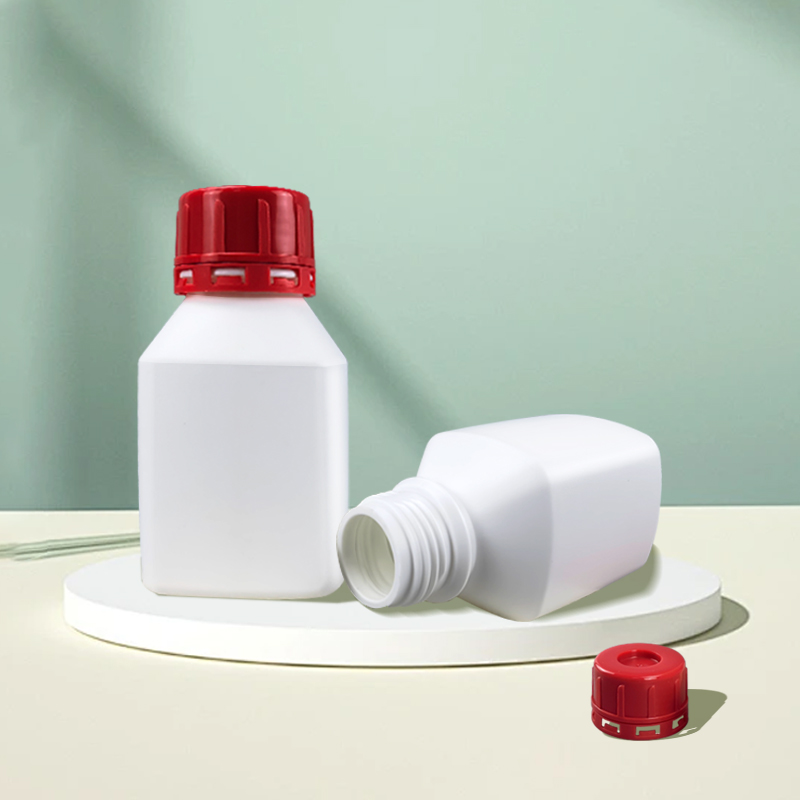
Understanding how to match chemical bottle sizes to your specific needs requires knowledge of consumption rates, storage space constraints, regulatory requirements for hazardous material storage, and the chemistry of the substances themselves. Poor sizing decisions lead to waste, contamination, safety violations, or unexpected supply disruptions. This guide explores why this choice matters and how to make informed decisions about plastic chemical container specifications and chemical packaging solutions for your operations.
Understanding Consumption Patterns and Volume Requirements
Calculating Actual Usage Rates
The foundation of proper chemical bottle sizing begins with accurate consumption data. Track how much chemical your facility uses daily, weekly, or monthly depending on the substance. For high-volume operations, smaller bottles may require frequent reordering, increasing labor costs and disrupting workflow. Conversely, oversizing creates storage challenges and raises the risk of chemical degradation before the product is fully consumed.
Analyze your inventory turnover to identify the optimal chemical bottle volume. If you use 500 milliliters weekly, a 100-milliliter plastic chemical container requires five reorders per month, whereas a 5-liter container might sit too long and degrade. The sweet spot minimizes reorder frequency while ensuring freshness and reducing waste in hazardous material storage scenarios.
Balancing Storage Space and Safety Compliance
Storage facility dimensions dictate how many chemical packaging solutions you can physically accommodate. Larger chemical bottle sizes reduce shelf footprint but concentrate risk if a spill or leak occurs. Smaller bottles distribute risk but demand more cabinet space and organizational complexity. Hazardous material storage regulations in many jurisdictions require specific cabinet types, ventilation, and spacing based on chemical classification and total volume stored.
Facilities must calculate total chemical inventory against their authorized storage capacity. A 250-milliliter plastic chemical container may fit easily into standard cabinets, whereas bulk 55-gallon containers require specialized secondary containment systems. Matching chemical bottle sizes to your existing infrastructure prevents costly facility modifications while maintaining full regulatory compliance for hazardous material storage.
Safety, Stability, and Product Integrity Factors
Minimizing Oxidation and Contamination Risk
Once a chemical bottle is opened, air exposure begins degrading many substances through oxidation, hydrolysis, or moisture absorption. Smaller bottles mean each opening exposes less of the total chemical inventory to air. This is particularly critical for reactive compounds, solvents, and reagents where stability directly affects results and safety. A 1-liter plastic chemical container opened multiple times loses integrity faster than a properly sealed larger container used strategically.
Chemical packaging solutions must account for shelf-life requirements. If a substance remains usable for 12 months but your consumption pattern spans 18 months, oversizing creates waste. Conversely, if consumption is rapid, larger chemical bottle sizes ensure continuous availability and reduce the number of exposures to atmospheric contaminants. Professional laboratory managers coordinate chemical bottle sizing with documented shelf-life data to maximize product value.
Regulatory Compliance and Hazard Communication
Hazardous material storage regulations specify labeling, secondary containment, and quantity thresholds that trigger additional safety requirements. Choosing the right chemical bottle size keeps your total stored quantities below thresholds that would require enhanced engineering controls, emergency response plans, or facility certifications. For example, storing ten 500-milliliter bottles may fall below a threshold, whereas one 5-liter plastic chemical container might exceed it, triggering regulatory upgrades.
Each chemical packaging solution must display proper hazard symbols, chemical name, and emergency contact information. Smaller bottles often require proportionally larger labels, affecting product visibility and storage organization. Larger chemical bottle sizes consolidate documentation but demand more robust secondary containment systems. Aligning bottle size with your hazardous material storage classification and compliance framework prevents costly violations and ensures employee safety protocols function effectively.
Cost Optimization and Supply Chain Efficiency
Analyzing Purchase Price Versus Operational Costs
Larger chemical bottle volumes typically offer lower per-unit costs, but this advantage disappears if product degradation or waste negates savings. Calculate total cost of ownership, not just acquisition price. A plastic chemical container sized appropriately for your consumption rate may cost more per milliliter but prevents waste and minimizes reorder frequency. Compare bulk purchasing benefits against shelf-life limitations, storage space rental, and handling labor for oversized chemical packaging solutions.
Establish relationships with suppliers who can provide flexible chemical bottle sizing options. Some facilities benefit from mixed-size strategies: larger bottles for frequently used substances and smaller bottles for specialty chemicals with lower turnover. This tiered approach to chemical packaging solutions optimizes costs while maintaining hazardous material storage compliance. Track spending on reorders, disposal fees, and rework caused by contaminated chemicals to justify right-sizing investments.
Supply Chain Resilience and Operational Continuity
Excessively small chemical bottle sizes create dependency on frequent reordering, exposing operations to supplier delays and inventory shortages. Conversely, holding excessive stock strains cash flow and facility resources. Strategic chemical bottle sizing builds buffer capacity without creating waste. A well-sized plastic chemical container inventory ensures you can maintain operations through typical supply disruptions while avoiding obsolescence.
Seasonal demand variations, supplier lead times, and unexpected volume spikes all influence optimal chemical bottle sizing. Organizations using multiple chemical packaging solutions report greater flexibility in responding to operational changes. Establish minimum and maximum inventory thresholds based on consumption history, lead times, and hazardous material storage capacity. Automated inventory systems help trigger reorders at optimal intervals, preventing both shortages and overstock situations that plague poorly sized chemical bottle programs.
FAQ
How do I determine the ideal chemical bottle size for my facility?
Start by analyzing consumption data over 3–6 months to establish accurate usage rates. Calculate how quickly you use each chemical, then select a plastic chemical container volume that turns over within 80% of its documented shelf-life. Consider your hazardous material storage capacity, regulatory thresholds, and reorder frequency. Consult with your chemical supplier about recommended storage practices for specific substances, and factor in the stability concerns of your particular chemical packaging solutions.
What role do regulations play in chemical bottle sizing decisions?
Hazardous material storage regulations often establish quantity thresholds that determine whether you need specialized cabinets, ventilation, or emergency response plans. Choosing the right chemical bottle size can keep your total inventory below these thresholds, reducing compliance burdens. Additionally, regulations may specify secondary containment volume requirements, which varies by your plastic chemical container selections. Always review local, state, and industry-specific hazmat regulations before finalizing chemical packaging solutions for your facility.
Can smaller chemical bottle sizes cost more overall?
Yes, frequently reordering small plastic chemical container volumes increases shipping costs, administrative labor, and supply chain complexity. However, larger bottles that exceed your consumption rate before expiration create waste that negates per-unit savings. The optimal chemical bottle size balances per-unit cost against waste prevention, storage expense, and reorder frequency. Calculate total cost of ownership across multiple years to reveal which chemical packaging solutions minimize true operational expense for your hazardous material storage program.