
 EN
EN
Understanding how pump mechanisms work in hand wash bottles is essential for both manufacturers and consumers who rely on these everyday dispensing solutions. The mechanics behind a simple pump action are far more sophisticated than most people realize, involving precision engineering, material science, and fluid dynamics working in perfect harmony. Whether you use a portable hand sanitizer container at work or a refillable hand wash pump bottle at home, the underlying technology remains consistent and highly effective. This article explores the internal workings, design principles, and practical advantages of pump-based dispensing systems.
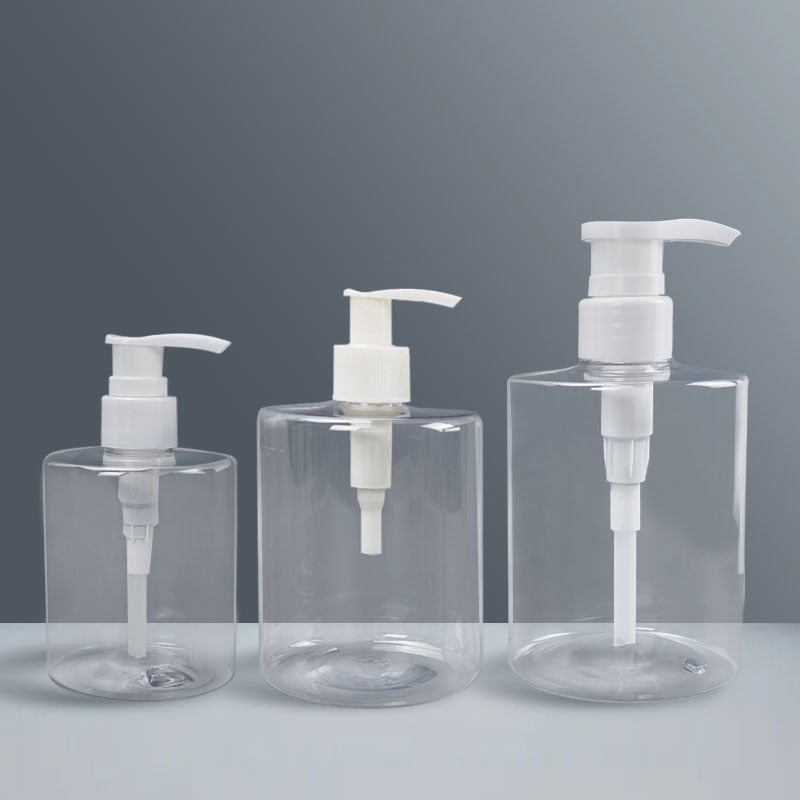
The hand wash bottle pump mechanism is a masterclass in functional design, combining simplicity with reliability. Modern liquid soap dispenser bottles use air displacement and spring-loaded components to deliver consistent doses of product with each press. The system must accommodate various viscosity levels, from thin hand sanitizers to thick foaming soaps, making the engineering even more critical for performance across different formulations.
Core Components of Pump Mechanisms
Pump Head Assembly and Actuator Button
The pump head assembly sits atop the refillable hand wash pump bottle and serves as the user interface and control mechanism. The actuator button is the component you press, and it connects directly to a piston rod that moves vertically inside the pump chamber. When you depress the button, this downward motion creates pressure that forces liquid upward through internal channels. The design must balance ease of use with durability, ensuring the button returns to its original position consistently after thousands of cycles without mechanical failure.
Materials used in pump head construction typically include polypropylene or acetal copolymer, chosen for their chemical resistance and durability. The fit between the button and the housing must be precise enough to prevent leakage but loose enough to allow smooth operation. Manufacturers of liquid soap dispenser bottles invest heavily in tooling to achieve these tolerances, as even slight variations can compromise performance or user experience.
Spring and Piston Assembly
Beneath the actuator button lies a compression spring that provides the restoring force essential to pump mechanism function. When you release the button, this spring pushes the piston rod back upward, preparing the pump for the next cycle. The spring must be calibrated carefully: too stiff and the pump becomes tiring to use, too weak and it fails to fully reset, leaving residual liquid in the chamber or trapping air that compromises the next stroke. A portable hand sanitizer container must maintain perfect spring tension even after months of storage and use in various environmental conditions.
Check Valves and Intake Channels
Check valves are one-way gates that control liquid flow direction within the pump. The intake valve sits at the bottom of the pump chamber and allows liquid to flow upward from the refillable hand wash pump bottle into the chamber on the upstroke. The discharge valve at the top of the pump chamber prevents the liquid from flowing backward and ensures product exits only through the nozzle during the downstroke. These valves typically use spring-loaded balls or flexible flap designs to achieve reliable one-way operation without mechanical failure over extended use periods.
How Pump Cycles Deliver Consistent Doses
The Downstroke and Pressurization Phase
When you press the actuator button on a liquid soap dispenser bottle, the piston descends into the pump chamber, compressing the air and liquid inside. This pressurization forces the discharge valve open while keeping the intake valve sealed tight. The pressurized liquid is forced upward through the nozzle or spray mechanism, delivering a measured amount of hand wash, foam, or sanitizer. The chamber volume determines the dose size, so manufacturers carefully calibrate chamber dimensions to meet consumer expectations and regulatory requirements for product delivery.
The Upstroke and Refilling Phase
As you release the button, the spring pushes the piston back upward, creating a vacuum inside the pump chamber. This pressure differential opens the intake check valve, allowing liquid to flow up from the portable hand sanitizer container reservoir through the dip tube into the pump chamber. The discharge valve remains firmly closed during this phase, preventing air from being drawn backward through the nozzle. This cycle repeats consistently, delivering the same volume of product with each pump action, making the refillable hand wash pump bottle a reliable and predictable dispensing solution.
Volume Calibration and Product Consistency
Manufacturers of hand wash bottle pumps must ensure that each cycle delivers approximately the same volume of product, typically between 0.5 and 1.2 milliliters per stroke. This consistency depends on precise machining of the pump chamber, correct spring tension, and proper dip tube length and diameter. A portable hand sanitizer container that delivers variable doses would frustrate users and create concerns about product efficacy. Quality control testing involves hundreds or thousands of pump cycles to verify that volume variation stays within acceptable limits across temperature ranges and product formulations.
Design Considerations for Different Applications
Viscosity Adaptation and Flow Characteristics
A liquid soap dispenser bottle must work effectively with products ranging from thin, watery hand sanitizers to thick, viscous foaming cleansers. Pump design adaptations for this challenge include adjustable ball seat diameters, variable spring tensions, and nozzle aperture sizes. Thicker products require larger openings and lighter spring pressure to flow properly, while thin liquids need tighter tolerances to prevent dripping or uncontrolled dispensing. The refillable hand wash pump bottle design often represents a compromise that works reasonably well across this viscosity spectrum without requiring multiple pump variations.
Air Incorporation for Foaming Formulations
Many modern hand wash products are formulated to create foam, requiring the pump mechanism to incorporate air into the liquid stream during dispensing. This involves designing the nozzle or aerating chamber to mix air with the pressurized liquid as it exits the hand wash bottle. Some designs include a specialized mixing chamber that creates turbulence, while others rely on the shape and angle of the nozzle opening. The portable hand sanitizer container often includes this aerating function to enhance the user experience and reduce product consumption through increased perceived volume.
Material Compatibility and Longevity
Chemical compatibility between the pump components and the liquid contents is critical for long-term performance of a refillable hand wash pump bottle. Alcohol-based sanitizers, acidic pH hand washes, and fragrant formulations can all degrade certain plastic materials over time. Manufacturers select pump materials based on the intended product formulation, ensuring that elastomers, springs, and plastic housings remain compatible and functional throughout the product's shelf life and use period. This material science foundation ensures that a liquid soap dispenser bottle performs reliably whether it sits on a kitchen counter for six months or travels in a portable hand sanitizer container in a purse or backpack.
FAQ
Why does my hand wash bottle sometimes fail to dispense after sitting unused?
When a pump sits unused for extended periods, the liquid in the dip tube can evaporate, and air can become trapped in the pump chamber, preventing proper pressure differential during the upstroke. Priming the pump by stroking the actuator several times without pressing fully can help re-establish the proper air-liquid balance. Additionally, if the intake check valve becomes stuck due to dried product residue, gently running warm water over the pump head can sometimes restore function. This is one reason why refillable hand wash pump bottle designs include longer dip tubes that stay submerged in liquid even when the bottle is not completely full.
How do manufacturers ensure consistent pump volume across millions of units?
Consistency relies on precision injection molding equipment, rigorous dimensional controls, and automated testing of sample units from each production batch. Computer-controlled machines maintain chamber diameter, piston length, and spring compression tolerances within fractions of a millimeter. A portable hand sanitizer container manufacturer will test hundreds of randomly selected pumps by performing thousands of cycles and measuring actual dispensed volumes to verify they fall within specification. Statistical process control methods help manufacturers maintain quality, allowing them to identify and correct any drift in production parameters before they result in consumer complaints or product performance issues.
Can pump mechanisms be repaired or rebuilt instead of replaced?
Most consumer-grade liquid soap dispenser bottles are designed as sealed, non-serviceable units where replacing the entire pump assembly or the complete hand wash bottle is more practical than attempting field repairs. However, industrial and commercial-scale refillable hand wash pump bottle systems sometimes use modular designs where worn components can be swapped out. Professional pump rebuilding services exist for commercial dispensing systems, but for typical portable hand sanitizer containers and residential hand wash bottles, replacement of the complete unit is usually the intended lifecycle approach due to the precision required and the low cost of complete replacement versus skilled labor for repairs.