
 EN
EN
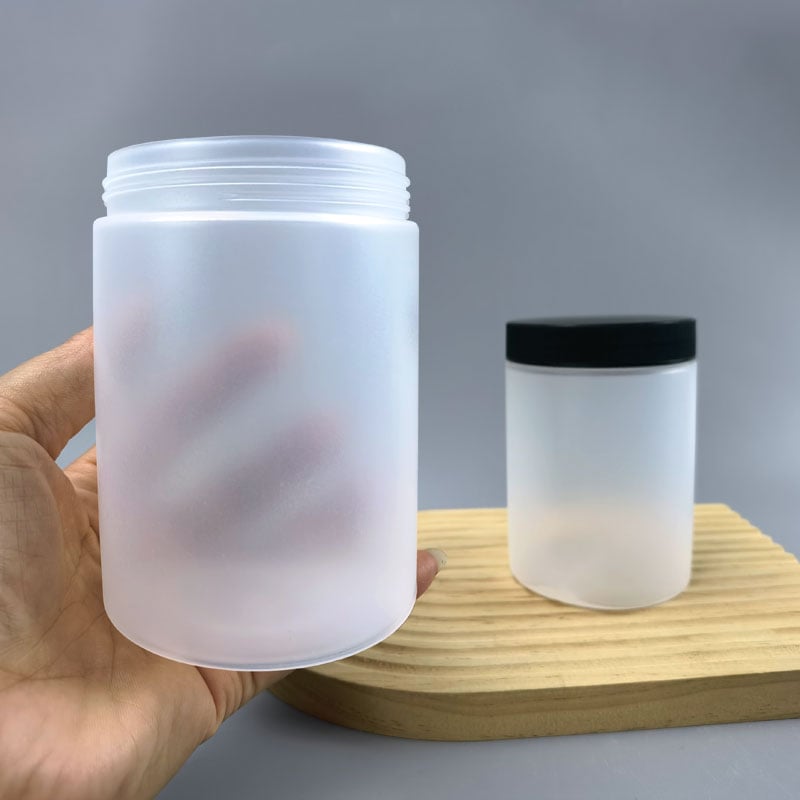
Storing items in a plastic jar requires thoughtful planning to maintain product quality, accessibility, and safety. Whether you're organizing pantry staples, spices, or craft supplies, the approach you take directly impacts how long items remain fresh and usable. Proper storage techniques protect contents from moisture, air exposure, pests, and contamination, while also maximizing shelf space and creating an organized environment.
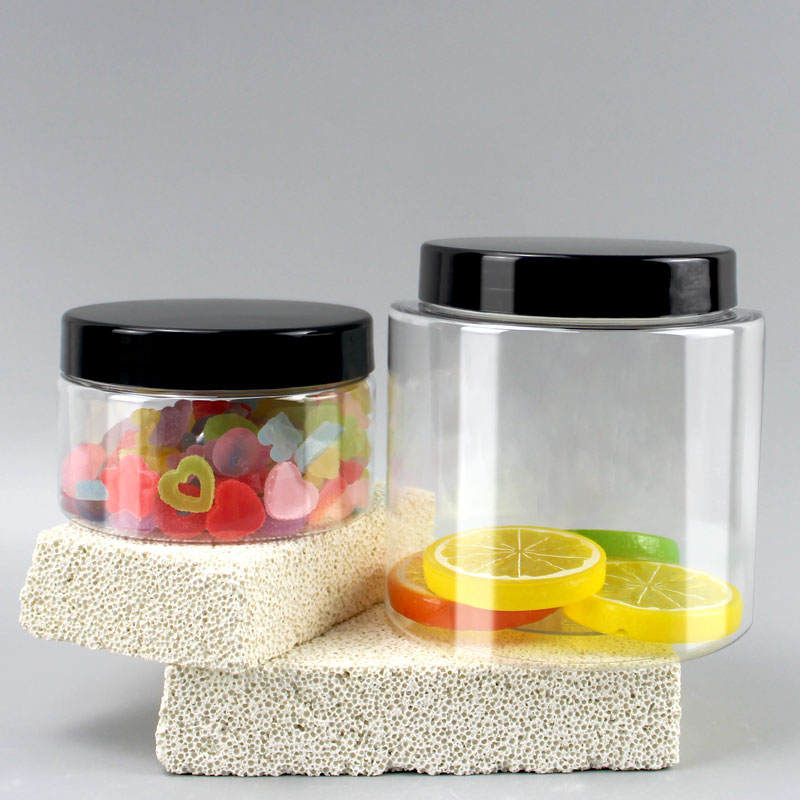
Clear plastic containers have become essential for modern storage solutions across residential, commercial, and industrial settings. Their transparency allows quick visual identification of contents without opening lids, reducing waste and decision-making time. Food storage jars made from food-grade plastic offer durability, lightweight convenience, and cost-effectiveness compared to glass alternatives. Understanding storage fundamentals ensures your reusable plastic packaging investment delivers lasting value and maintains the integrity of stored materials.
Preparing Your Clear Plastic Containers
Cleaning and Sanitizing
Before using any clear plastic containers for storage, thorough cleaning is essential. Wash containers with warm soapy water and rinse completely to remove manufacturing residues or dust. For food storage jars that previously held different items, sanitize using a vinegar solution or food-safe cleaner. Dry containers completely with a lint-free cloth, as moisture can compromise seal integrity and promote mold growth inside food storage jars. Pay special attention to crevices around the lid where water can accumulate.
Inspecting Seals and Lids
Examine all seals and lids before storing items in plastic jars. Check for visible cracks, warping, or deformities that compromise airtight performance. Test lids by twisting them firmly—they should offer consistent resistance without slipping. Damaged reusable plastic packaging loses its protective function, exposing contents to oxidation and contamination. Keep spare lids available for backup use. Replace any lids that don't seal properly to maintain food safety standards.
Storage Techniques for Different Item Categories
Organizing Dry Goods and Pantry Items
Dry goods like flour, sugar, grains, and pasta benefit significantly from storage in food storage jars. Transfer items from original packaging into clear plastic containers to maximize visibility and space efficiency. Fill containers to appropriate levels—leaving some headspace prevents crushing of contents and allows for easy removal. Label each jar with the product name and storage date using waterproof markers. Store dry goods in cool, dark locations away from direct sunlight, which can degrade plastic clarity over time and affect stored product quality. Rotate stock using the first-in-first-out method to prevent staleness.
Preserving Spices and Seasonings
Spices require specialized storage to maintain potency and flavor. Small food storage jars are ideal for individual spice storage. Keep containers sealed tightly between uses to prevent aromatic compounds from escaping. Store spice jars away from heat sources, stoves, and windows where temperature fluctuations degrade potency. Clear plastic containers allow visual monitoring of spice levels for convenient reordering. Ensure moisture cannot enter through jar lids, as humidity causes clumping and reduces shelf life significantly. Consider adding silica packets inside reusable plastic packaging for additional moisture control.
Managing Liquid and Semi-Liquid Contents
Storing liquids in clear plastic containers requires careful attention to seal quality. Fill jars leaving adequate headspace to accommodate expansion during temperature changes. Ensure lids thread smoothly and seal completely to prevent leaks that damage surrounding items. Store containers on stable, level surfaces where they won't tip or roll. For semi-liquid items like honey or sauces, consider refrigeration if product instructions recommend it. Check seals periodically, especially after temperature fluctuations, to confirm airtight integrity remains intact throughout storage periods.
Maximizing Storage Efficiency and Safety
Organizing Shelf Space Effectively
Strategic arrangement of food storage jars creates functional storage systems. Stack containers vertically to maximize shelf space while keeping smaller jars accessible at eye level. Group similar items together—spices with spices, grains with grains—for quick identification and inventory management. Use clear plastic containers of uniform sizes to create modular organization systems. Label containers clearly on both lid and body for visibility from different angles. Implement tiered shelving to prevent larger jars from blocking visibility of smaller ones. This organized approach reduces waste, improves efficiency, and makes inventory checks straightforward.
Environmental and Safety Considerations
Using reusable plastic packaging aligns with sustainability goals while reducing packaging waste. Choose food-grade plastic containers certified for safe food contact to protect contents and user health. Avoid exposing plastic jars to extreme temperatures that can warp containers or compromise seal integrity. Store items away from chemicals, cleaning supplies, and other contaminants that could transfer into open-faced jars. Ensure containers remain upright on stable surfaces to prevent tipping. Review manufacturer guidelines regarding temperature ranges and material compatibility before storing specific substances in clear plastic containers. Proper storage practices protect product quality while ensuring user safety.
FAQ
How long can items typically stay fresh in plastic jar storage?
Storage duration depends on item type and seal quality. Dry goods in food storage jars maintain quality for six to twelve months in proper conditions. Spices last six to eight months before potency diminishes. Liquids and oils typically remain stable for twelve to eighteen months. Cooler temperatures and minimal light exposure extend shelf life. Food storage jars with complete airtight seals provide superior preservation compared to partially sealed containers. Always monitor for signs of spoilage, off-odors, or color changes regardless of expected shelf life.
Can clear plastic containers be used for all storage applications?
While reusable plastic packaging handles most common storage needs, some applications require alternative materials. Avoid storing highly acidic liquids that may degrade plastic over extended periods. Don't store items containing harsh solvents or oils that damage plastic composition. Very high temperatures can warp food storage jars, so consider glass for items requiring extreme heat resistance. Clear plastic containers work excellently for pantry staples, dry goods, spices, and most household items. Review product specifications and material compatibility before storing unusual or specialized items in plastic jars.
What's the best way to prevent moisture inside sealed plastic jars?
Ensure complete drying before sealing to eliminate initial moisture. Add food-grade silica gel packets inside reusable plastic packaging to absorb ambient humidity. Store containers in cool, dry locations away from kitchens, bathrooms, and basements where humidity levels fluctuate. Maintain consistent room temperatures to prevent condensation forming inside sealed food storage jars. Keep lids tightly sealed and check them regularly for compromise. For extra protection, store jars in sealed cabinets or closets that maintain stable environmental conditions. These preventive measures preserve product quality and extend storage duration significantly.