Foam Bottle, refers less to a single package style than to a dispensing system designed for liquid-to-foam formulas. In export packaging, this category has expanded well beyond hand soap into personal care, hair treatment and even surface-care applic...
Foam Bottle, refers less to a single package style than to a dispensing system designed for liquid-to-foam formulas. In export packaging, this category has expanded well beyond hand soap into personal care, hair treatment and even surface-care applications. For packaging buyers and product developers, the value is not simply in the bottle, but in how the bottle, foamer pump and formula work together. As a custom plastic bottle manufacturer, we typically see demand centered around two broad dispensing formats, each serving different product behaviors.
Foam Bottle Types
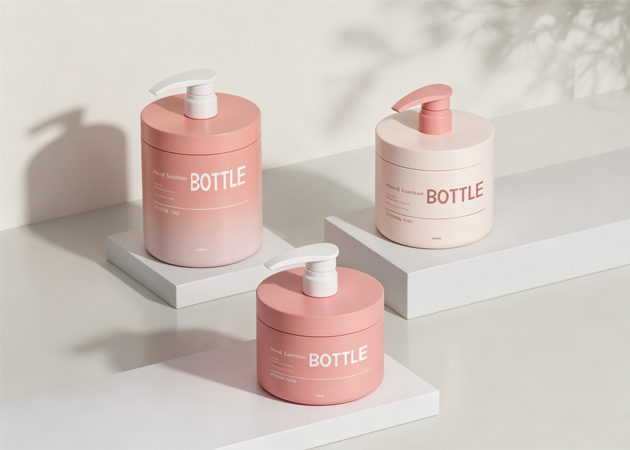
The first is the more familiar foam pump bottle format, including foamer pump bottles and other bottles with foaming pump assemblies. These dispense foam through a controlled “flow-out” action, making them suitable for cleansers, handwash, scalp care and other products where dense, uniform foam matters. This is the structure commonly used for foaming hand soap bottles, facial cleansers and specialty foam cleanser bottle packaging.
That distinction—sprayed versus dispensed foam—is often more important in package selection than bottle shape alone.Industry guidance on foamer systems consistently shows that output consistency depends heavily on air-liquid mixing structure and pump design, which is why experienced buyers usually assess dispensing performance alongside bottle aesthetics, not after.
Applications Across Care Categories
Use cases have become much broader than traditional soap packaging.
In body care, foaming hand soap bottle formats remain a core application, but demand has also grown for facial foam bottle packaging, foam handwash bottle formats and mild cleansing products positioned around controlled dosage and softer application.
In hair care, foam packaging is increasingly used in salon-focused products such as scalp cleansers, pre-treatment foams and lightweight styling systems. This is where durable pump foam bottle designs with repeat-use reliability matter, especially in professional environments.
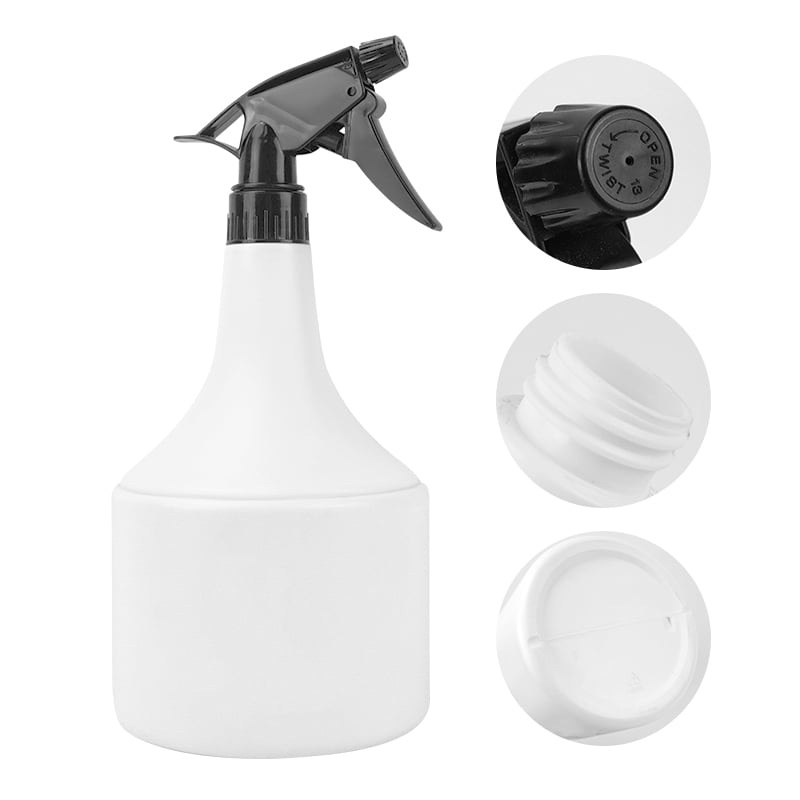
Then there is surface care, a segment growing faster than many buyers expect. Foam spray packaging is now used for leather care, sofa treatment, footwear cleaners fabric applications removing rust from the surface of the car or its components, etc.where even distribution improves usability.
This cross-category flexibility is an important reason for the continuous expansion of the application fields of foam bottle products.
Where Foam Bottles Are Commonly Used
Different environments tend to prioritize different specifications.
Salons often lean toward larger-format foam pump dispenser bottle options built for frequent actuation. Hospitality buyers usually focus on refill compatibility, coordinated packaging appearance and compact countertop formats. Travel and sample-size products, by contrast, drive interest in 50ml ,100ml foam pump bottle options and leak-resistant travel size designs.
For many buyers, those smaller sizes are no longer just travel packaging—they are increasingly used for premium sampling and retail trial programs.
Material, Color and Size Considerations
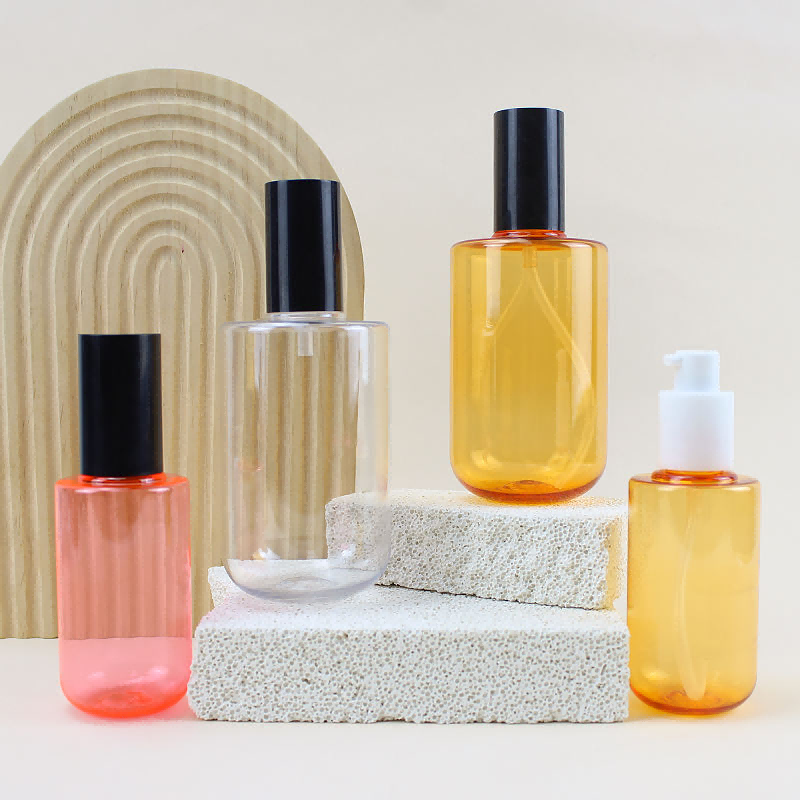
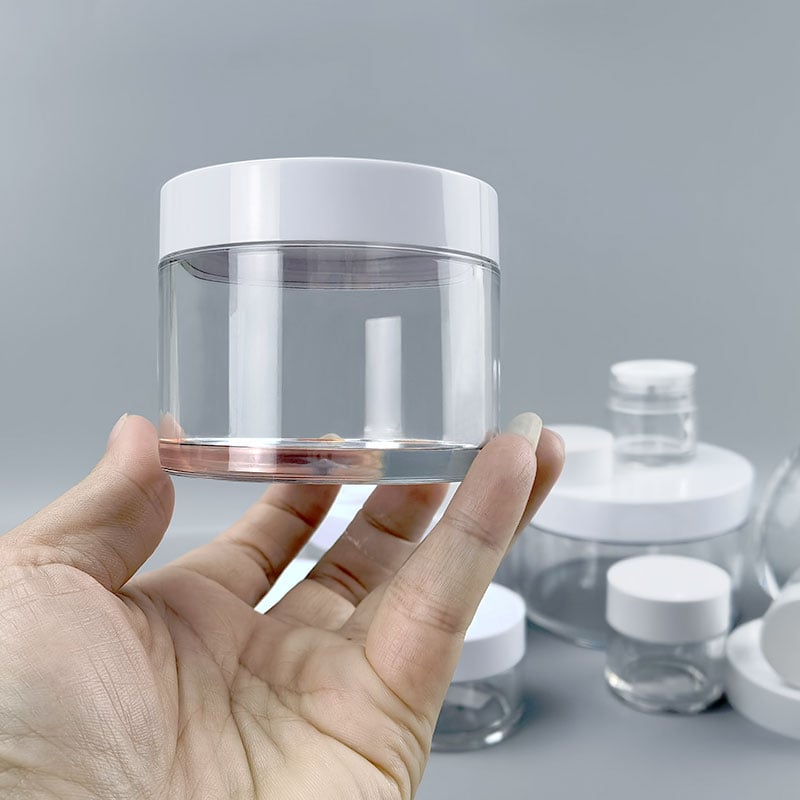
PET is widely used for transparent foam pump bottle designs where formula visibility supports shelf appeal. The HDPE material is more focused on durability and the visual aspect of the outer packaging marketing. Because relatively speaking, HDPE can undergo high-end surface treatments such as frosted, matte, and soft touch. Combined with color designs that align with the brand image and logo printing, it can significantly enhance the brand image and increase the price premium.
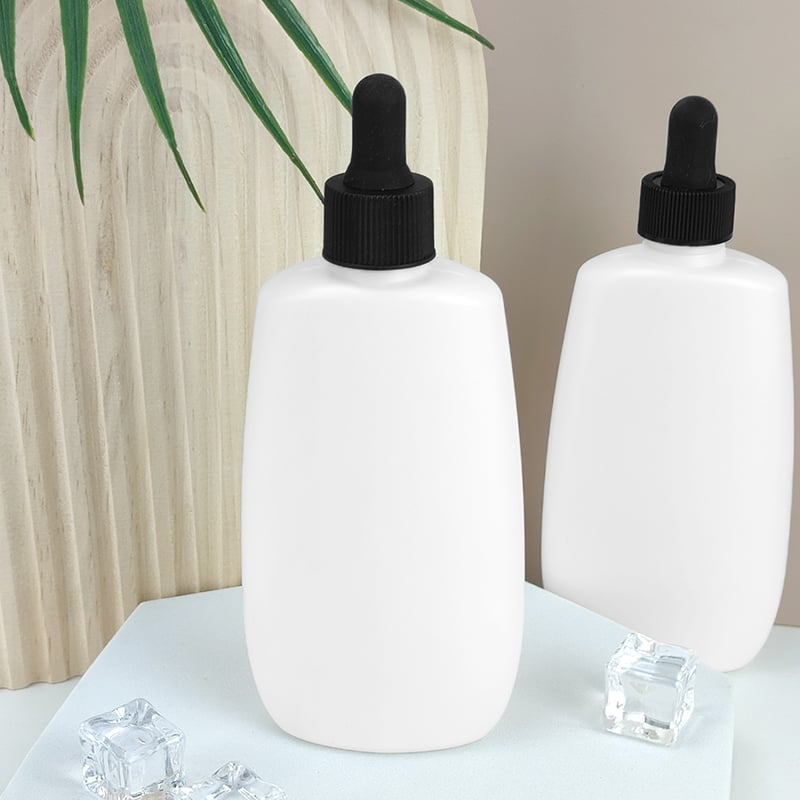
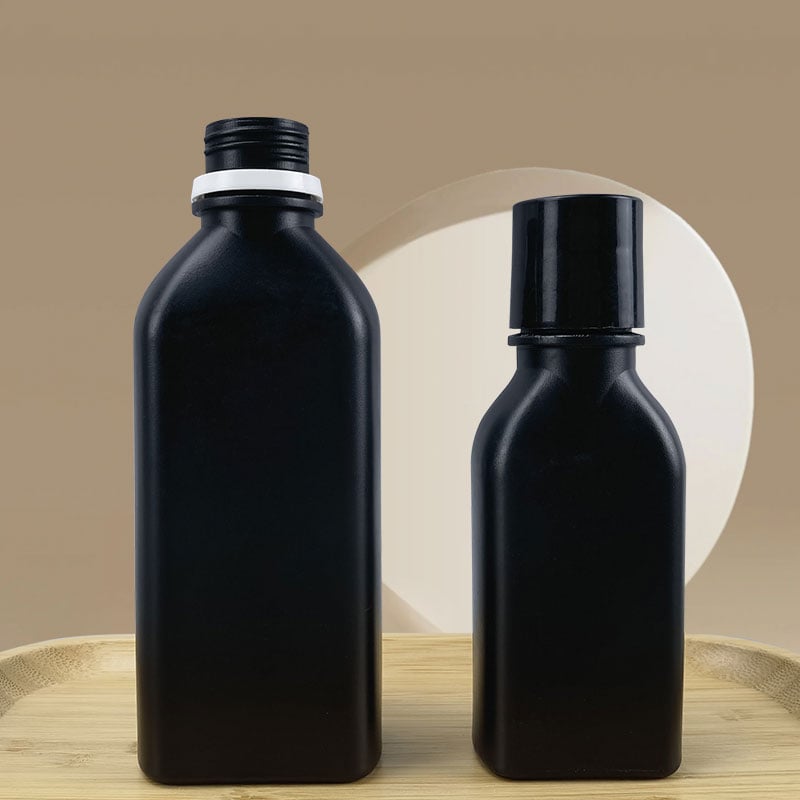
Color, similarly, is rarely only aesthetic. It can support branding, product segmentation or sustainability programs involving PCR content.Based on years of experience in custom foam bottle production, black and brown are the most frequently used colors. HDPE matte or glossy black bottles have luxurious packaging attributes. (Except for designs that need to match the color of the brand logo).
Capacity selection also tends to be linked with output dosage. In practice, buyers evaluating empty foam pump bottles often consider fill size, pump output and shipping efficiency together, rather than treating them as separate decisions.For skincare and facial care , the recommended bottle size is around 100-300ml. This size of foam bottle is designed with ergonomics in mind, allowing it to be used steadily with one hand, and it can be easily accommodated in a regular bag. As for hair care products and cleaning agents for surfaces or hand sanitizers, larger sizes are preferred, such as 500-1000ml.
Customization for Brands
For wholesale and bulk programs, customization usually goes well beyond adding decoration.
Bottle profile, neck finish, foamer compatibility, custom colors, silk-screening and closure matching are often developed as one packaging system. For brands sourcing foam dispenser packaging in wholesale volumes—or planning foaming hand soap bottles bulk programs—supply consistency and component compatibility tend to matter as much as unit cost.
That is especially true in custom projects, where a well-designed foam bottle is expected to support both dispensing performance and brand presentation.
In that sense, Foam Bottle is not simply a container category. It is increasingly treated as performance packaging—whether for personal care, professional use or emerging surface-care applications.

 EN
EN