
 EN
EN
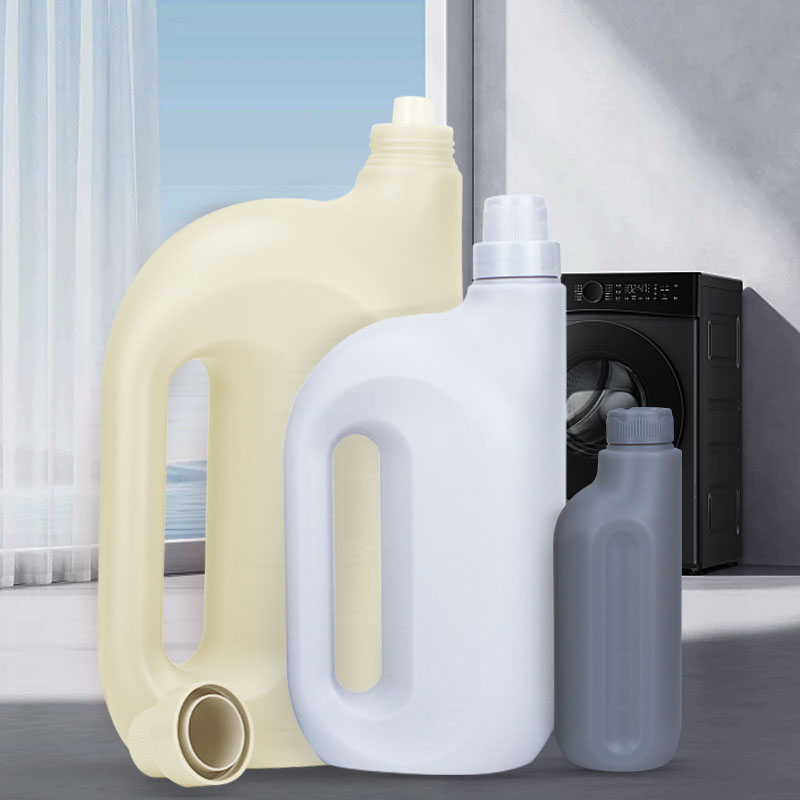
A detergent bottle is far more than a simple container. It serves as a critical preservation system that protects cleaning products from degradation, contamination, and loss of efficacy. The design, materials, and structural features of laundry detergent packaging work together to maintain product quality from manufacturing through consumer use. Understanding how these containers function reveals why proper packaging is essential for product longevity and performance.
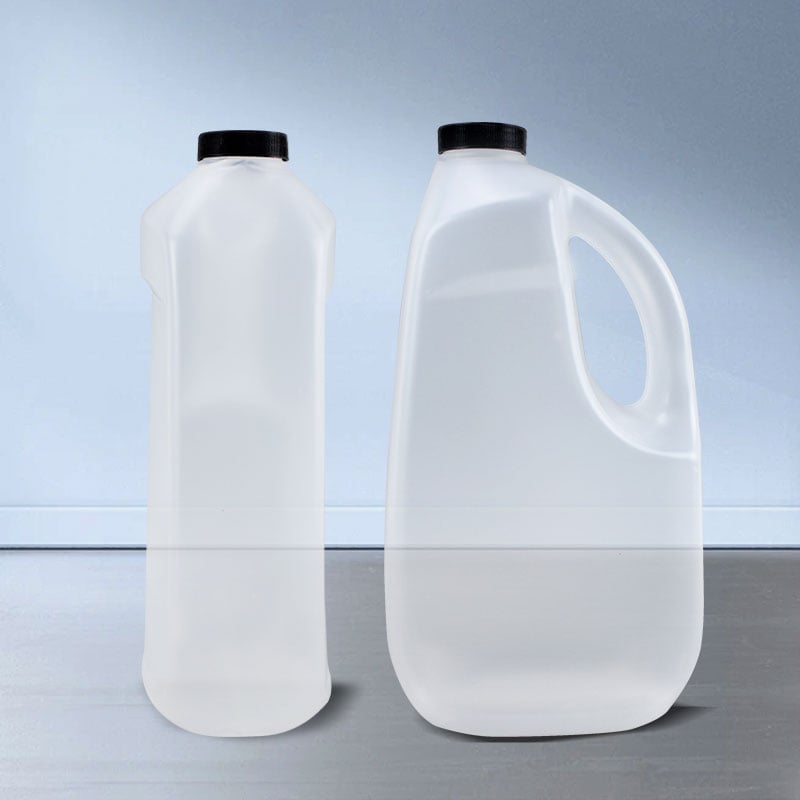
The freshness of household cleaning liquids depends on multiple protective factors built into cleaning product containers. Modern plastic detergent dispensers employ sophisticated sealing mechanisms, light-blocking materials, and chemical-resistant polymers to create an environment where detergent formulations remain stable and potent. Each element of the container design addresses specific threats to product integrity, ensuring that consumers receive effective cleaning solutions throughout the product's shelf life.
Material Selection and Chemical Resistance
Why Plastic Composition Matters
The choice of plastic material for laundry detergent packaging directly impacts how well the container protects its contents. High-density polyethylene (HDPE) and polypropylene (PP) are industry standards for cleaning product containers because they resist chemical degradation and prevent product leakage. These polymers form barriers that prevent active cleaning ingredients from interacting with oxygen, moisture, and other environmental contaminants. When manufacturers select appropriate plastic grades for their detergent bottle designs, they ensure the product maintains its chemical stability and cleaning power.
Barrier Technology in Dispensers
Advanced plastic detergent dispenser formulations incorporate multilayer barrier systems that provide superior protection. Some containers use oxygen-blocking additives that reduce permeation rates, keeping the detergent environment inert and stable. Ultraviolet (UV) stabilizers are embedded directly into the plastic material, preventing light-induced degradation of surfactants and other active ingredients. This technical approach to laundry detergent packaging ensures that the chemical composition remains unchanged, preserving both cleaning efficacy and product safety for extended periods.
Sealing Systems and Closure Design
Preventing Oxidation Through Tight Seals
The seal quality of a detergent bottle directly determines how effectively the container prevents oxygen infiltration. Multi-stage closure systems use pressure-fitted caps, induction seals, or tamper-evident bands to create airtight environments that protect cleaning product containers from atmospheric exposure. When oxygen cannot reach the detergent formulation, oxidation reactions are halted, preventing the breakdown of fragrance compounds and preserving the product's original potency. This sealing mechanism is one of the most critical functions of any cleaning product container design.
Moisture Control and Humidity Resistance
Humidity poses a significant threat to concentrated detergents and cleaning solutions. Properly designed plastic detergent dispensers incorporate desiccant-compatible seals and hydrophobic internal surfaces that prevent moisture accumulation and condensation. The closure mechanism of laundry detergent packaging must remain watertight throughout storage and handling to avoid dilution, ingredient separation, or microbial growth. When sealing systems function effectively, they maintain the original concentration and chemical balance of the detergent formulation.
Temperature Stability and Storage Features
Thermal Protection Through Design
Temperature fluctuations can accelerate chemical degradation in cleaning product containers. Thicker-walled plastic detergent dispensers provide thermal insulation that buffers against extreme environmental temperatures, maintaining a more stable internal environment for the detergent. Light-colored or opaque laundry detergent packaging reflects heat rather than absorbing it, further protecting the product from thermal stress. This design consideration ensures that detergent bottles stored in warehouses, retail environments, or consumer homes remain protected from temperature variations that might compromise product quality.
UV Protection and Light Barriers
Ultraviolet light exposure directly degrades surfactants, dyes, and fragrance compounds in detergent formulations. Most cleaning product containers use opaque or dark-tinted plastic materials that block UV wavelengths from penetrating to the contents. High-quality detergent bottles may incorporate carbon black or titanium dioxide pigments that create virtually impenetrable light barriers. When light cannot reach the detergent, photodegradation is prevented, and the product maintains its original color, fragrance, and cleaning performance throughout its shelf life.
FAQ
Why Does the Color and Opacity of a Detergent Bottle Matter?
The color and opacity of a detergent bottle serve essential protective functions. Dark or opaque containers block light penetration, preventing UV-induced degradation of active ingredients. Lighter-colored bottles may use reflective properties to minimize heat absorption. The material choice in laundry detergent packaging directly influences how effectively the bottle protects the product from environmental stressors, making opacity a critical design consideration.
How Do Plastic Detergent Dispensers Prevent Leaks?
Plastic detergent dispensers use multiple sealing technologies including screw-on caps, induction seals, and pressure-fit closures to create airtight, watertight barriers. The combination of precise cap threading, gasket materials, and closure torque specifications ensures that cleaning product containers remain leak-proof even during transport and handling. Proper seal integrity maintains product containment while preventing oxygen and moisture infiltration, both of which threaten product freshness.
What Role Does Container Shape Play in Keeping Detergent Fresh?
Container shape influences both functionality and protection in laundry detergent packaging. Wider base designs provide stability and reduce tip-over risk, while narrower necks minimize the air gap at the top of the bottle, reducing oxygen exposure. Some cleaning product containers use contoured designs that reduce internal surface area, limiting the space where product can separate or settle. Thoughtful design in detergent bottle geometry contributes meaningfully to preservation and product stability.