
 EN
EN
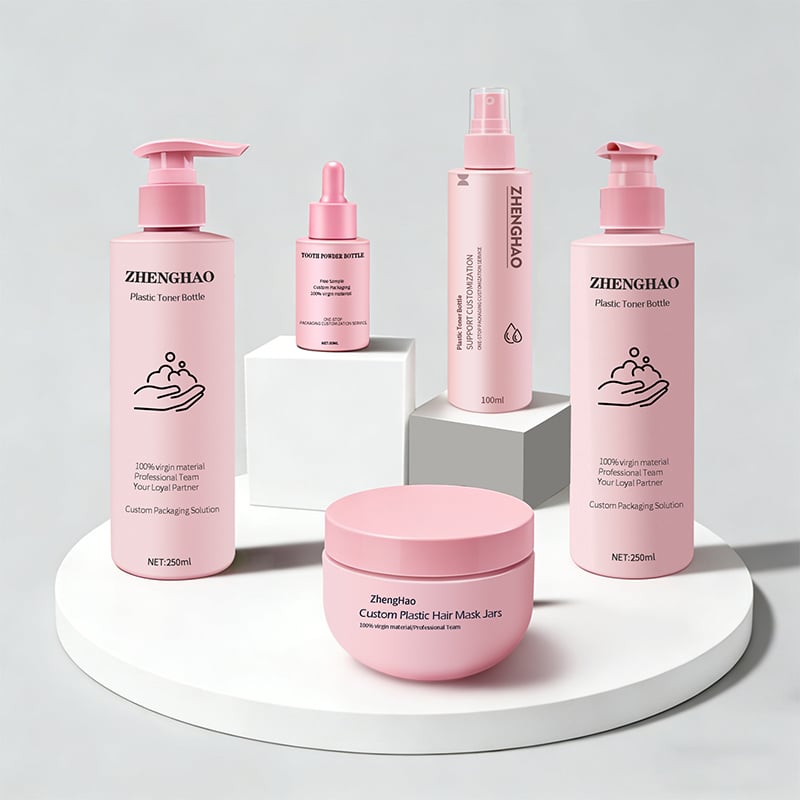
Selecting the right hand wash bottle requires understanding the key features that deliver functionality, durability, and user satisfaction. A quality liquid soap dispenser bottle goes beyond simple containment. It must balance practical design with reliable performance, ensuring consistent user experience in commercial, healthcare, or home environments. The features you choose directly impact hygiene standards, product longevity, and customer perception.
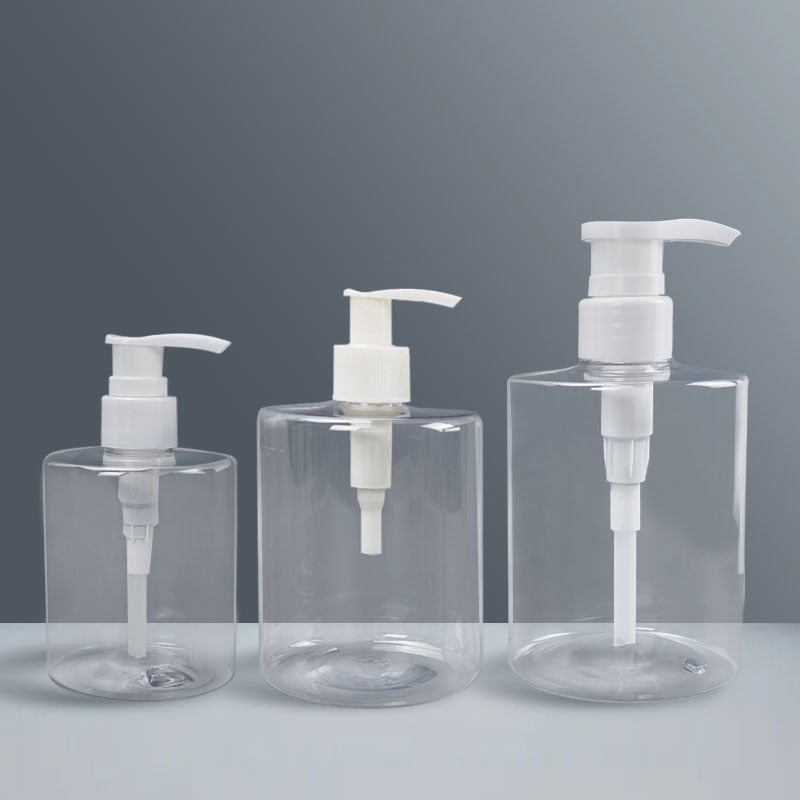
Whether you operate a hospitality venue, healthcare facility, or retail space, investing in a portable hand sanitizer container with proven features protects your reputation and supports cleanliness objectives. This guide examines the critical specifications, material standards, and design elements that distinguish premium hand wash bottles from standard options, helping you make informed purchasing decisions aligned with your operational requirements.
Material Quality and Safety Standards
Polymer Selection and Durability
The material composition of a refillable hand wash pump bottle directly affects its lifespan and safety profile. Food-grade plastics such as PET and HDPE resist degradation from soap formulations, sanitizer chemicals, and frequent handling. These materials meet pharmaceutical and cosmetic industry standards, ensuring the container doesn't leach harmful substances into the product. Quality hand wash bottles feature UV-resistant additives that prevent discoloration and brittleness when exposed to light, maintaining the aesthetic appearance over extended use periods.
Thickness consistency in plastic walls prevents stress cracking at corners and seams where pressure concentrates. A portable hand sanitizer container constructed from substandard plastic becomes brittle within months, leading to leaks and product waste. Premium options incorporate reinforced base designs and structural ribs that distribute stress evenly, extending functional life significantly. Testing for chemical compatibility ensures the liquid soap dispenser bottle maintains integrity whether filled with alcohol-based sanitizers, foaming soap, or traditional liquid formulas.
Seal and Closure Integrity
Leak-proof sealing mechanisms are fundamental to any quality refillable hand wash pump bottle. Double-threaded caps with silicone gaskets create an airtight seal that prevents evaporation and product contamination. The gasket material must remain flexible across temperature fluctuations without hardening or shrinking, which compromises seal effectiveness. Hand wash bottle designs featuring tamper-evident closures add security verification, crucial for healthcare and institutional settings where product integrity certification matters.
Pump Mechanism and Dispensing Features
Precision Dosage Control
An effective pump mechanism in a liquid soap dispenser bottle delivers consistent, measured doses with each activation. Precision-engineered valves dispense 1 to 2 milliliters per stroke, reducing waste and lowering operational costs. Adjustable dosage settings on premium models accommodate different product viscosities and user preferences. Quality hand wash bottle pumps incorporate anti-drip technology that prevents product leakage between uses, maintaining clean surfaces and extending product shelf life by minimizing air exposure.
The pump spring mechanism must resist fatigue from thousands of activations without losing responsiveness. Stainless steel components resist corrosion from humid bathroom environments and acidic hand sanitizer formulations. A portable hand sanitizer container with a smooth, ergonomic pump handle reduces user strain, particularly important in high-traffic commercial environments where hundreds of staff and visitors access the dispenser daily. Testing for repeated activation cycles ensures the pump maintains performance consistency throughout the product's operational lifespan.
Priming and Refilling Capability
Quick-prime features in refillable hand wash pump bottle designs minimize initial dead space, allowing immediate product delivery when installed. Wide-opening caps or removable pump assemblies simplify refilling procedures, reducing downtime in busy facilities. An internal lift tube design that reaches the container bottom ensures complete product utilization, eliminating waste from remaining liquid. Quality hand wash bottle systems feature easy disassembly for cleaning, preventing bacterial growth inside pump cavities that occurs with poor drainage designs.
Ergonomic Design and User Accessibility
Size and Capacity Optimization
Appropriate container sizing balances refill frequency with storage constraints. A 250 to 500 milliliter hand wash bottle capacity suits typical commercial restroom usage, requiring reasonable refill intervals without excessive space requirements. Liquid soap dispenser bottle dimensions should fit standard countertop dispensing stands and wall-mounted brackets without protrusion hazards. Compact profiles prove essential for high-traffic spaces where floor space accessibility matters, particularly in healthcare and hospitality settings where patient or guest movement remains constant.
Weight distribution affects user experience significantly when a portable hand sanitizer container sits in wall dispensers or handheld scenarios. Balanced design prevents tipping when partially filled, and reinforced base structures maintain stability on sloped or uneven surfaces. Clear level indicators on the exterior of a refillable hand wash pump bottle simplify inventory management, allowing staff to schedule refilling before depletion occurs unexpectedly during peak usage periods.
Accessibility and Inclusivity Features
Thoughtful hand wash bottle design accommodates users with varying physical abilities. Pump buttons requiring minimal hand strength facilitate access for children, elderly individuals, and people with arthritis or limited dexterity. Auditory feedback mechanisms alert users when dispensing occurs, supporting individuals with visual impairments. A liquid soap dispenser bottle with a wide, textured pump handle prevents slipping from wet hands, ensuring consistent activation even during high-humidity conditions in restrooms and kitchens.
Aesthetic and Maintenance Considerations
Visual Appeal and Branding Flexibility
Professional appearance matters in customer-facing environments where hand wash bottle visibility influences hygiene perceptions. Clear containers allow users to observe product levels and color, building confidence in cleanliness standards. Opaque or frosted options protect product from light degradation while maintaining a sleek, sophisticated appearance. Customizable labeling areas on a refillable hand wash pump bottle support branding initiatives, facility identification, and product information display. Premium finishes in neutral tones complement diverse interior design schemes, from modern minimalist restrooms to traditional hospitality settings.
Cleaning and Hygienic Maintenance
A portable hand sanitizer container designed for quick cleaning reduces microbial contamination risk. Smooth exterior surfaces without crevices prevent bacterial harboring, and drainage holes at the base prevent water pooling that attracts pathogens. Quality hand wash bottle pumps disassemble easily for internal cleaning cycles, eliminating dried product accumulation that can harbor microorganisms. Dishwasher-safe components simplify institutional cleaning protocols, allowing regular sanitization without damaging the container or pump mechanism.
FAQ
What volume should a hand wash bottle hold for commercial use?
Commercial environments typically benefit from 250 to 500 milliliter hand wash bottle capacities, balancing refill frequency with counter space. High-traffic facilities like hospitals or restaurants may prefer larger options or multiple dispensers strategically placed. A liquid soap dispenser bottle volume depends on facility size, visitor count, and product cost per refill. Consulting with your liquid soap dispenser provider about average consumption rates in similar facilities helps determine optimal capacity for your specific operational needs.
How often should a refillable hand wash pump bottle be replaced?
Quality refillable hand wash pump bottles last 18 to 36 months with proper maintenance and regular cleaning. Factors affecting longevity include pump material durability, exposure to harsh chemicals, frequency of refilling cycles, and environmental humidity levels. A portable hand sanitizer container maintained in dry conditions with careful cleaning procedures often exceeds expected lifespans. Replacing the pump mechanism alone often extends overall hand wash bottle functionality when external container integrity remains sound, reducing replacement costs significantly.
Are there specific regulatory requirements for hand wash bottle materials?
Hand wash bottle materials must comply with FDA regulations for direct food contact safety and pharmaceutical industry standards for chemical compatibility. European Union directives require specific material certifications for products in healthcare settings. Quality liquid soap dispenser bottle manufacturers provide documentation confirming material compliance, migration testing results, and safety certifications. Verify that your portable hand sanitizer container supplier provides complete regulatory compliance documentation before purchasing for regulated environments like hospitals, food service facilities, or pharmaceutical operations.