 EN
EN
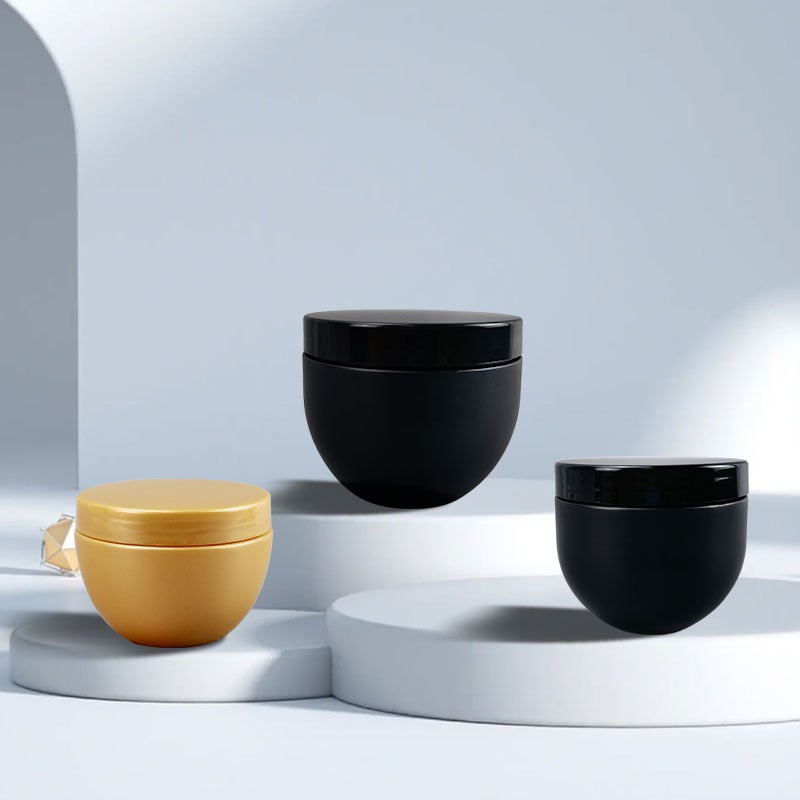
Product contamination represents one of the most significant challenges in skincare and cosmetic preservation. A cream jar serves as far more than a simple storage vessel; it acts as a protective barrier between your formulation and environmental threats that degrade quality, compromise safety, and diminish efficacy. Understanding which cream jar features actively prevent contamination is essential for anyone developing or purchasing cosmetic products.
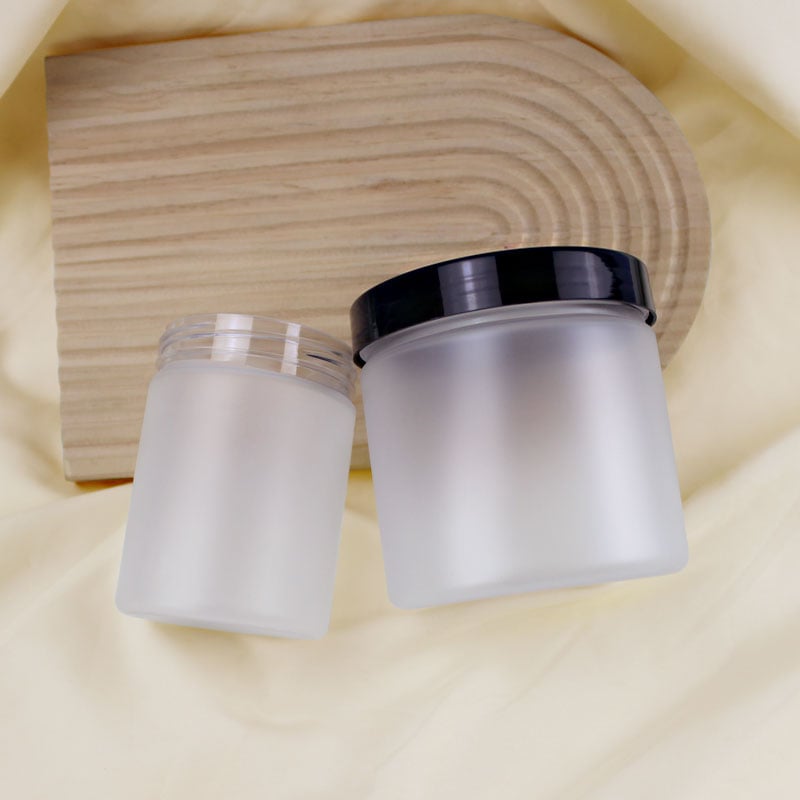
The effectiveness of skincare packaging depends on multiple interconnected design elements working together. From seal integrity to material composition, each feature contributes to maintaining product purity throughout its shelf life. This comprehensive guide explores the critical cream jar features that actively safeguard cosmetic containers against physical, chemical, and microbial contamination while ensuring your product remains stable and potent from manufacture through consumer use.
Seal and Closure System Design
Airtight Lid Mechanisms
The lid represents the first line of defense in contamination prevention. A properly engineered closure system creates an airtight seal that eliminates oxygen infiltration, which accelerates oxidation and degradation in skincare formulations. Quality cosmetic container designs feature multi-layered closure systems with inner gaskets, silicone liners, or foam seals that conform perfectly to the jar opening, ensuring no microscopic gaps exist where bacteria or moisture can enter.
Double-sealed designs offer superior protection by incorporating both an internal foil barrier and an external cap closure. This redundancy ensures that even if one sealing layer fails or degrades, the backup protection maintains product integrity. The glass jar storage solution with press-fit or screw-thread lids that feature tamper-evident mechanisms also provides consumers with confidence that their skincare packaging has remained untouched and secure throughout distribution and storage.
Inert Liner Materials
The liner material inside the lid profoundly impacts how effectively the cream jar prevents contamination. Premium liners use food-grade silicone, PTFE-coated materials, or chloroprene rubber that resist chemical degradation from active skincare ingredients while maintaining flexibility through temperature fluctuations. These inert materials prevent leaching into the product and resist bacterial colonization, which can compromise the cosmetic container seal over extended storage periods.
Inferior liners made from standard rubber or paper-based materials absorb oils, degrade under contact with certain preservatives, and develop microscopic cracks that allow contamination pathways. High-performance glass jar storage solutions incorporate liners that remain chemically stable across a wide pH range, accommodating everything from gentle hydrating creams to potent active-infused formulations without degradation or compromised sealing capability.
Material Composition and Barrier Properties
Glass Versus Plastic Selection
Material selection fundamentally determines contamination resistance. Glass provides superior oxygen and moisture barrier properties compared to most plastics, making it the preferred choice for premium skincare packaging requiring extended shelf life. High-quality glass jar storage options feature dense formulations that minimize micro-porosity, creating an almost impenetrable barrier against atmospheric contamination while remaining chemically inert and non-reactive with active skincare ingredients.
When plastic cosmetic containers are selected for lightweight advantages or cost efficiency, the material grade becomes critical. Medical-grade polyethylene terephthalate (PET) or polypropylene (PP) offers substantially better barrier properties than standard consumer-grade plastics. Specialized barrier coatings applied to inner plastic surfaces of the cream jar create additional protection layers that replicate glass performance characteristics while maintaining the practical benefits of lightweight, shatter-resistant construction.
Wall Thickness and Structural Integrity
Thicker jar walls provide multiple contamination prevention advantages beyond structural strength. Increased material density enhances the barrier against oxygen and moisture permeation, directly extending product stability. Additionally, thicker-walled skincare packaging demonstrates superior resistance to physical stress that could create micro-cracks or deformation during shipping, handling, or storage, which would compromise the seal integrity of the cosmetic container.
Industry standards recommend minimum wall thicknesses of 2.5 millimeters for glass cream jar applications to maintain adequate barrier protection while optimizing material efficiency. Premium formulations in the luxury skincare segment often employ 4–5 millimeter walls that provide exceptional durability and perceived quality while establishing robust contamination barriers. The relationship between wall thickness and contamination risk is exponential; doubling the wall thickness often reduces permeation rates by 50–70% depending on the specific material formulation.
Surface Treatment and Interior Protection
Frosted and Coated Finishes
Surface treatments applied to cream jar interiors serve protective functions beyond aesthetics. Frosted finishes on glass containers reduce light transmission that triggers photo-degradation in light-sensitive ingredients like retinoids, vitamin C, and essential oils. This interior frost coating prevents UV and visible light from reaching the product while maintaining the cosmetic container's transparency for brand visibility and consumer engagement.
Specialized interior coatings create additional contamination barriers by preventing direct contact between the product and jar materials. These coatings typically consist of food-safe lacquers or epoxy resins that seal the interior surface, preventing extraction of minerals or off-flavors while blocking pathways for microbial adhesion. When combined with proper skincare packaging design, these interior treatments significantly enhance the cream jar's ability to maintain product stability and prevent chemical interactions between formulation components and the container material.
Rounded Interior Corners
Geometric design details profoundly impact contamination prevention. Rounded interior corners in the cosmetic container eliminate sharp angles and crevices where bacteria, fungi, and contamination particles accumulate during manufacturing, filling, or consumer use. This seemingly minor design feature prevents biofilm formation—protective colonies of microorganisms that resist antimicrobial preservatives and establish persistent contamination sources within the glass jar storage environment.
Manufacturing precision that produces smooth, seamless interior transitions allows for complete product removal and thorough cleaning, reducing residue accumulation that creates contamination risks. The cream jar design with optimal interior geometry facilitates proper sanitation during the production process and enables consumers to access all product without contamination from dried or degraded material trapped in corners or crevices.
Moisture and Oxygen Control Features
Desiccant Integration Options
Some advanced skincare packaging solutions incorporate desiccant materials within the closure system to actively control moisture levels inside the cream jar. Silica gel, calcium oxide, or molecular sieve desiccants absorb water vapor that enters through microscopic permeation, creating an ultra-dry environment that prevents hydrolysis, mold growth, and ingredient breakdown. This active contamination prevention strategy proves particularly valuable for water-sensitive formulations or products stored in humid climates where passive sealing alone may prove insufficient.
The cosmetic container desiccant approach requires careful calculation to avoid over-desiccation that could alter formulation consistency or cause ingredient precipitation. Premium glass jar storage systems balance protective desiccant functionality with formulation requirements, ensuring that contamination prevention mechanisms don't inadvertently compromise the product sensory experience or efficacy that consumers expect from their skincare packaging investment.
Oxygen Scavenging Technologies
Next-generation cream jar designs incorporate oxygen-scavenging materials that chemically bind residual oxygen within the headspace, preventing oxidation-driven degradation. These technologies employ iron-based absorbers, enzymatic systems, or specialty polymer additives that react with and neutralize oxygen, creating an inert nitrogen-like environment inside the cosmetic container. This advanced contamination prevention approach extends product potency for oxygen-sensitive actives while maintaining product safety through established preservative systems.
The implementation of oxygen scavenging in skincare packaging requires compatibility verification with existing formulation components and closure materials. When properly integrated, these systems dramatically extend shelf life by preventing oxidation that causes discoloration, odor development, and active ingredient degradation. Premium brands utilizing this cream jar feature demonstrate significantly improved stability data compared to conventional packaging, supporting higher product efficacy claims and stronger consumer satisfaction throughout the product lifecycle.
FAQ
What makes a cream jar resistant to microbial contamination?
Microbial resistance in a cream jar depends on multiple interconnected features: airtight sealing that prevents bacteria entry, smooth interior surfaces without biofilm-harboring crevices, inert liner materials that resist microbial colonization, and material composition that prevents contamination pathways. Glass jar storage options provide superior natural resistance due to glass's inherent antimicrobial properties, while plastic cosmetic containers require specialized coatings and surface treatments to achieve comparable protection levels.
How does skincare packaging material affect contamination prevention?
Material selection directly impacts contamination prevention through barrier properties against oxygen and moisture permeation. Glass provides the densest barrier, while specialized plastic formulations with coating systems can approximate glass performance. Thicker walls, higher material density, and protective interior coatings all contribute to reduced permeation rates, extending the time that the cosmetic container maintains product integrity. The relationship between material quality and contamination risk makes material selection one of the most critical contamination prevention decisions.
What testing validates that a cream jar prevents contamination effectively?
Effective cream jar testing includes permeation studies measuring oxygen and moisture transmission rates, accelerated stability testing simulating extended storage, microbial challenge testing exposing the cosmetic container to contamination sources, seal integrity verification through helium leak detection, and real-world shelf life studies documenting product stability over the intended storage period. These comprehensive evaluations ensure that skincare packaging design features actually deliver the contamination prevention performance that formulations require for safety and efficacy throughout consumer use.