
 EN
EN
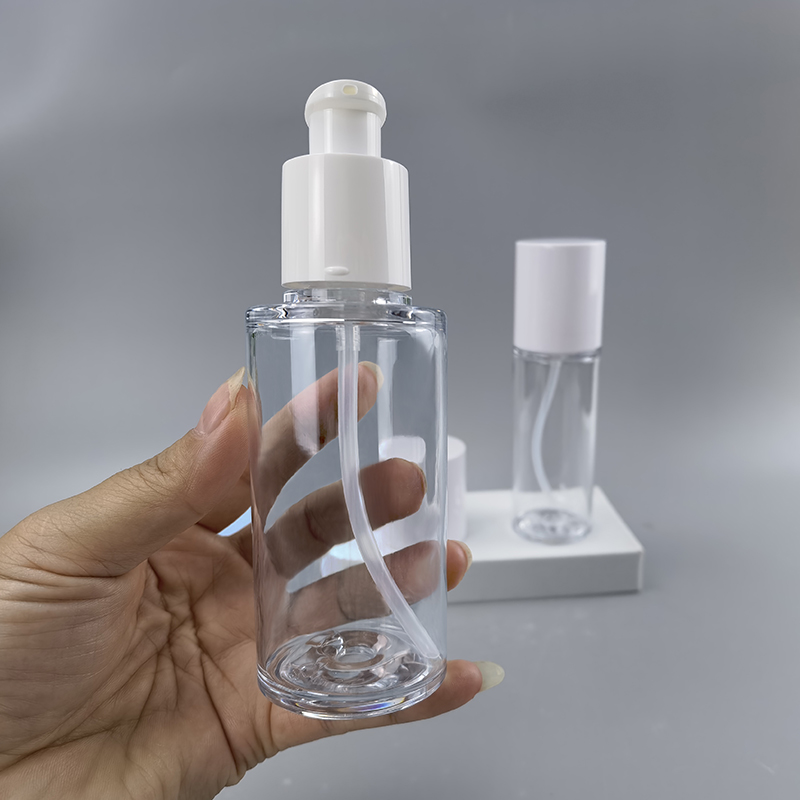
The pet bottle has become a cornerstone packaging solution across multiple industrial sectors, revolutionizing how products are stored, transported, and consumed. Understanding which industries leverage this versatile container most effectively reveals insights into packaging efficiency, cost optimization, and sustainability practices. The adoption of pet bottles reflects a strategic shift toward materials that balance performance, economics, and environmental responsibility in modern supply chains.
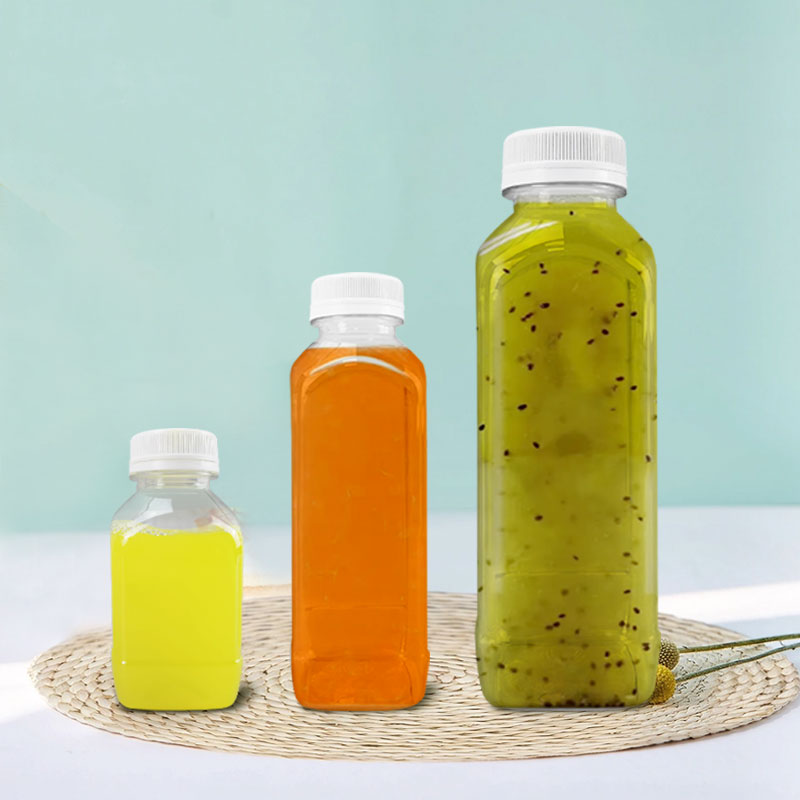
Industries worldwide recognize the strategic value of lightweight containers that reduce shipping costs while maintaining product integrity. The beverage sector, pharmaceutical manufacturing, food processing, and personal care industries all depend on effective pet bottle solutions to meet consumer demands and operational constraints. Each sector has developed specialized applications that demonstrate how this material supports both profitability and scalability in competitive markets.
Beverage and Consumables Industry Leadership
Bottled Water and Juice Markets
The bottled water sector dominates pet bottle usage globally, leveraging lightweight containers that reduce transportation emissions and operational costs. Water producers benefit from the clarity and durability of pet material, allowing consumers to verify product quality while ensuring long shelf life. The lightweight nature of these bottles enables efficient distribution across retail networks, with stackability and crush-resistance protecting contents during logistics.
Juice and beverage manufacturers rely on pet bottles because they provide excellent barrier protection against oxygen and light degradation. These lightweight containers maintain product flavor integrity over extended storage periods, critical for competitive shelf stability. The barrier properties of quality pet bottles extend market reach by enabling longer distribution windows without sacrificing product freshness.
Sports Drinks and Functional Beverages
Sports drink manufacturers have pioneered advanced applications of pet bottle technology, incorporating specialized additives and multilayer designs to enhance shelf stability. These industries demand lightweight containers that withstand pressurization from carbonation while resisting physical impact during active consumer use. Pet bottles allow manufacturers to combine functionality with branding differentiation through custom shapes and transparency levels that appeal to health-conscious consumers.
Food Processing and Specialty Products
Condiments, Oils, and Sauces
Food manufacturers producing condiments, cooking oils, and specialty sauces have standardized on pet bottles for their superior chemical resistance and barrier performance. These lightweight containers protect sensitive products from oxidation and rancidity while maintaining visual appeal through transparent packaging that showcases product quality. Bottle storage solutions using pet material enable efficient warehouse management and reduce spoilage rates compared to alternative packaging approaches.
Vinegars, honey, and premium food products benefit from pet bottles because they preserve taste profiles and nutritional content over extended periods. The inert nature of pet material ensures no flavor interaction or degradation occurs, maintaining product authenticity from manufacturing through consumer use. Industrial food processors appreciate the compatibility of these lightweight containers with both cold-fill and hot-fill operations, allowing production flexibility across multiple product categories.
Dairy and Alternative Milk Products
Dairy producers and plant-based milk manufacturers increasingly adopt pet bottles for their superior oxygen barrier properties and thermal stability. These lightweight containers protect sensitive protein structures and probiotic cultures that define product functionality and shelf stability. The combination of barrier performance and lightweight design makes pet bottles economically advantageous for high-volume production runs where material costs directly impact competitiveness.
Pharmaceutical, Chemical, and Industrial Applications
Pharmaceutical and Health Supplement Packaging
The pharmaceutical industry relies on pet bottles for vitamins, supplements, and over-the-counter medications where moisture and light protection are essential. Lightweight containers reduce shipping costs for medications distributed across global networks while maintaining compliance with regulatory packaging standards. Specialized designs with tamper-evident closures and moisture barriers demonstrate how pet bottle technology supports both safety and consumer confidence in pharmaceutical products.
Chemical and Cleaning Solutions
Chemical manufacturers and cleaning product companies depend on pet bottles because they resist corrosion from acidic and alkaline formulations. These lightweight containers maintain structural integrity during storage of aggressive chemical compounds while providing cost advantages that improve profit margins. Plastic bottle recycling initiatives have become integral to industrial chemical distribution, with pet bottles designed for post-consumer collection and reprocessing into new packaging.
Personal care manufacturers producing shampoos, lotions, and cosmetics have standardized on pet bottles because they balance aesthetic appeal with functional performance. The transparency of quality pet material showcases product color and texture while providing chemical resistance to formulations containing alcohol and preservatives. Lightweight containers reduce packaging waste and shipping impacts, supporting corporate sustainability objectives while maintaining product quality throughout distribution channels.
FAQ
Why do beverage manufacturers prefer pet bottles over glass or aluminum alternatives?
Beverage companies choose pet bottles because they offer significant weight reduction that directly lowers shipping costs and carbon emissions. The clarity and barrier properties protect product quality while the lightweight design enables higher efficiency in automated filling lines. Lightweight containers also reduce breakage risk during transportation, providing economic advantages that compound across high-volume production scenarios typical in the beverage sector.
How does plastic bottle recycling affect the economics of pet bottle adoption?
Plastic bottle recycling programs create circular economy incentives that reduce raw material costs for manufacturers using post-consumer resin. Companies adopting bottle storage solutions with pet bottles can participate in recycling initiatives that improve brand sustainability metrics and consumer perception. The development of advanced recycling technologies has made post-consumer pet material competitive with virgin resin, encouraging wider adoption across industrial sectors.
What industries are most likely to expand pet bottle usage in the coming years?
Pharmaceutical, nutraceutical, and specialty food sectors are accelerating adoption of advanced pet bottle designs that incorporate barrier enhancement and sustainability features. Personal care and cosmetics industries continue innovating with lightweight containers that balance aesthetic requirements with functional performance. Industrial chemical sectors are expanding use of pet bottles as recycling infrastructure improves and material costs remain economically competitive against traditional packaging alternatives.