
 EN
EN
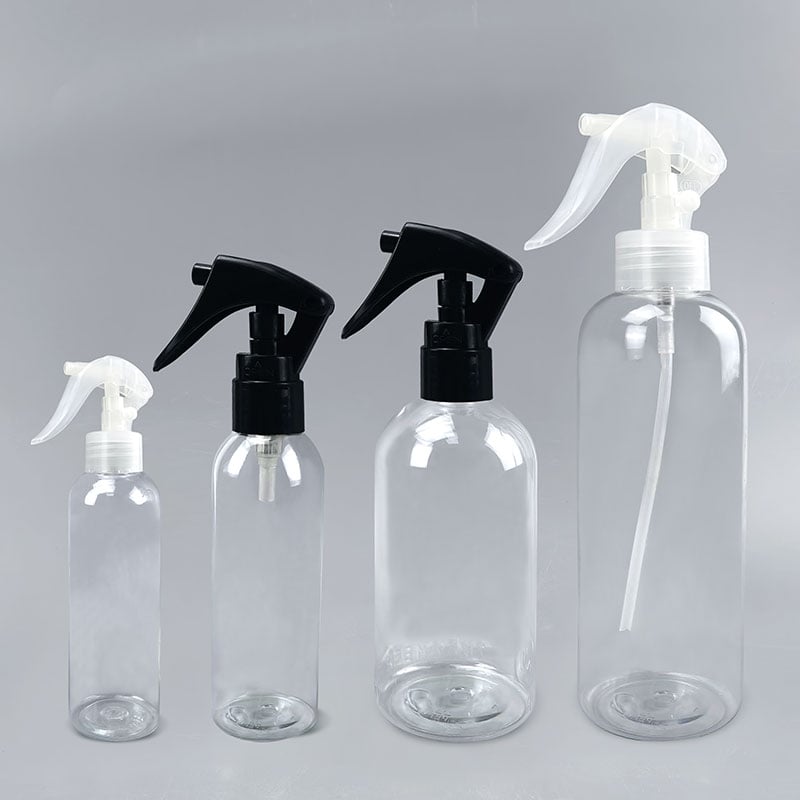
The environmental impact of packaging materials has become a critical concern for businesses and consumers alike. PET bottles represent a transformative solution in the beverage and food packaging industry, offering significant environmental advantages over traditional packaging methods. Understanding these benefits requires examining how the PET bottle performs across manufacturing, usage, and end-of-life stages of its lifecycle.
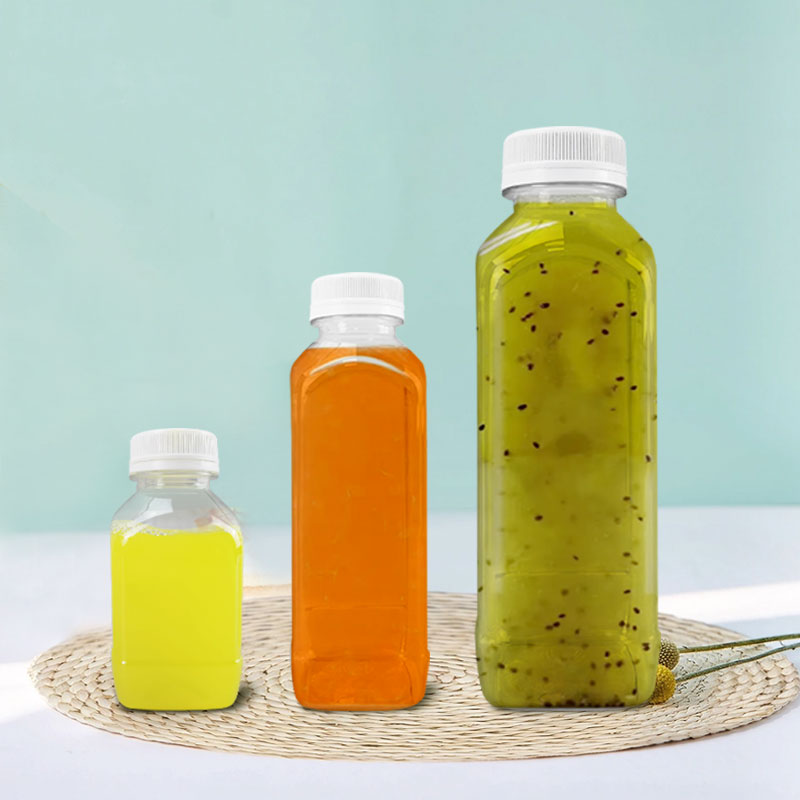
When compared to alternative materials like glass or aluminum, the pet bottle demonstrates clear environmental value through reduced resource consumption and lower carbon emissions during production. The lightweight nature of PET containers means manufacturers require less raw material per unit, translating directly into reduced energy requirements and manufacturing waste. This efficiency extends throughout the supply chain, from production facilities to distribution networks, where lighter packaging reduces fuel consumption during transportation. Businesses adopting lightweight containers benefit from both environmental and economic advantages, creating a compelling case for sustainable packaging transitions.
Resource Efficiency and Manufacturing Impact
Reduced Raw Material Requirements
PET manufacturing consumes significantly less energy compared to competing materials, establishing the plastic bottle recycling foundation from the very beginning of production. The production process for PET requires approximately 40 percent less energy than glass manufacturing and substantially less than aluminum production. This energy reduction directly decreases greenhouse gas emissions during the manufacturing stage, contributing meaningfully to overall environmental footprint reduction. When facilities operate with renewable energy sources, the environmental benefit becomes even more pronounced, though standard grid-powered production still offers clear advantages.
Manufacturing Waste Minimization
The efficiency of PET production processes generates minimal waste streams compared to traditional manufacturing methods. Modern bottle storage solutions incorporate PET materials specifically because the production technology allows for near-complete material utilization. Scrap rates in PET manufacturing remain low, meaning less material ends up in landfills before any product even reaches consumers. This manufacturing efficiency establishes the foundation for environmental benefits that continue throughout the product lifecycle.
Transportation and Distribution Advantages
Weight-Based Carbon Reduction
Lightweight containers fundamentally transform supply chain sustainability by dramatically reducing transportation-related emissions. A shipment of PET bottles requires considerably less fuel consumption than equivalent volumes of glass or aluminum packaging, directly lowering carbon dioxide releases into the atmosphere. Distribution networks spanning continents benefit exponentially from this weight advantage, as fuel consumption decreases proportionally with cargo weight. For beverage companies shipping products globally, selecting lightweight containers represents one of the most direct methods of reducing distribution-phase emissions without compromising product protection.
Reduced Shipping Infrastructure Needs
When packaging weighs less, logistics networks require fewer trucks, ships, and aircraft to transport equivalent product volumes. This reduction in vehicle frequency generates substantial environmental benefits beyond simple fuel savings, including decreased road maintenance impacts and reduced emissions from manufacturing additional transportation equipment. Bottle storage solutions using PET technology allow companies to consolidate shipments more efficiently, maximizing vehicle capacity and minimizing empty backhauls. The cumulative effect across global supply chains demonstrates that lightweight containers create measurable environmental improvements at scale.
End-of-Life Sustainability and Recycling Potential
Plastic Bottle Recycling Effectiveness
The plastic bottle recycling infrastructure has matured substantially, creating viable markets for post-consumer PET materials. PET demonstrates superior recyclability compared to many competing materials, with existing collection systems throughout developed markets designed specifically for this material type. Recycled PET maintains excellent material properties, allowing it to be remanufactured into new bottles, fiber products, and industrial applications indefinitely without significant quality degradation. This closed-loop potential means that plastic bottle recycling represents genuine environmental recovery rather than mere waste management.
Circular Economy Integration
Modern supply chains increasingly incorporate recycled PET content, creating genuine circular economy applications that reduce virgin material extraction requirements. When manufacturers use recycled PET, they avoid mining and processing new petroleum feedstocks, eliminating substantial environmental costs. The energy required to recycle PET remains approximately 75 percent lower than producing virgin material, creating compelling incentives for both environmental and economic reasons. Bottle storage solutions incorporating recycled content demonstrate tangible commitment to sustainable practices while maintaining performance specifications. This circular approach transforms packaging from linear waste streams into renewable material cycles.
Biodegradability and Long-Term Environmental Considerations
Decomposition Timeline and Natural Degradation
While PET remains stable in use, understanding its environmental fate in end-of-life scenarios remains essential for comprehensive assessment. Pet bottle degradation in natural environments occurs over decades, creating concerns about environmental persistence. However, this stability also prevents premature container failure during storage or transportation, eliminating product loss and associated waste. The environmental calculus requires balancing use-phase benefits against end-of-life persistence, where recycling integration provides the optimal solution for managing this trade-off effectively.
Comparison with Competing Materials
Glass containers persist indefinitely in natural environments without degrading, creating permanent environmental alteration. Aluminum recycling programs exist but require more energy and infrastructure investment than plastic bottle recycling systems. Paper-based packaging alternatives offer biodegradability advantages but require substantial water consumption during manufacturing and often incorporate plastic linings that create disposal challenges. When comparing lightweight containers across these dimensions, PET offers a balanced environmental profile that combines manufacturing efficiency, transportation benefits, recyclability, and established infrastructure advantages.
FAQ
How does plastic bottle recycling reduce environmental impact?
Plastic bottle recycling diverts materials from landfills and reduces demand for virgin petroleum extraction. Recycled PET requires approximately 75 percent less energy to produce than virgin material, generating substantial energy savings and corresponding carbon emission reductions. The establishment of collection infrastructure and material markets creates genuine economic incentives for participation, making recycling systems more sustainable than waste management alternatives.
What role do lightweight containers play in reducing carbon emissions?
Lightweight containers decrease transportation fuel requirements proportionally to weight reductions, generating direct carbon emission savings across distribution networks. A single lightweight container may seem insignificant, but multiplied across billions of units shipped globally annually, the cumulative effect represents millions of tons of avoided carbon dioxide emissions. By requiring fewer vehicles, fuel, and infrastructure resources to move equivalent product volumes, lightweight containers provide measurable environmental benefits throughout supply chains.
Are PET bottles truly sustainable compared to other packaging materials?
PET bottles offer superior sustainability compared to many competing materials when evaluated across their complete lifecycle, from manufacturing through distribution to end-of-life recovery. The combination of manufacturing efficiency, transportation advantages, and established recycling infrastructure creates a comprehensive environmental advantage. However, optimal sustainability requires actual participation in plastic bottle recycling systems and corporate adoption of recycled content, transforming potential environmental benefits into realized environmental improvements through responsible material management.