
 EN
EN
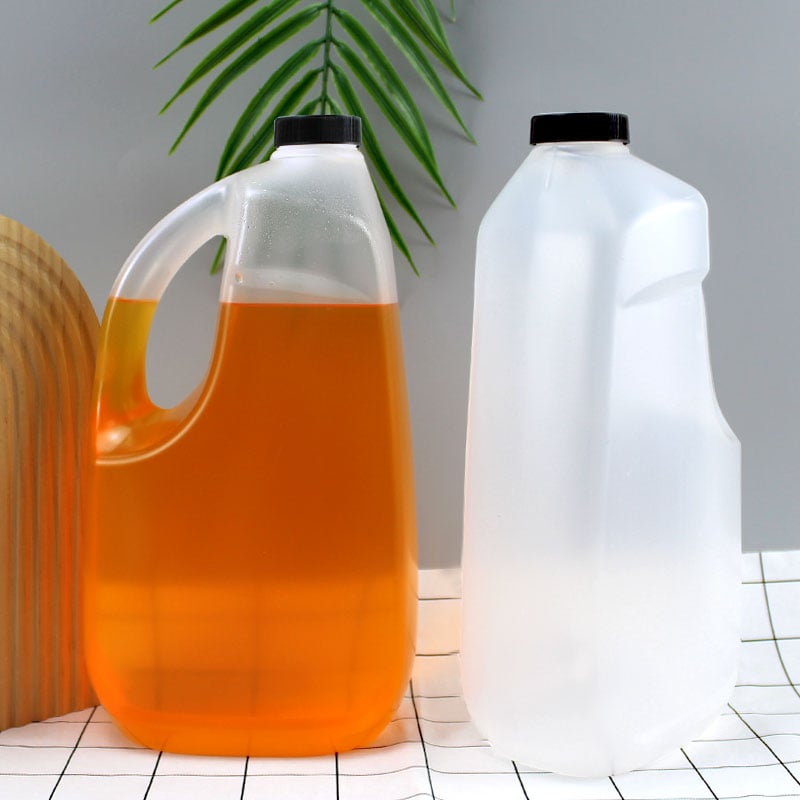
Selecting the right detergent bottle is far more important than most consumers realize. The container you choose directly impacts product safety, user experience, storage efficiency, and environmental responsibility. A well-designed laundry detergent packaging solution protects both the product and the household members who handle it daily. Whether you are purchasing containers for personal use or sourcing cleaning product containers for commercial purposes, understanding the critical features ensures you make an informed decision that aligns with your needs.
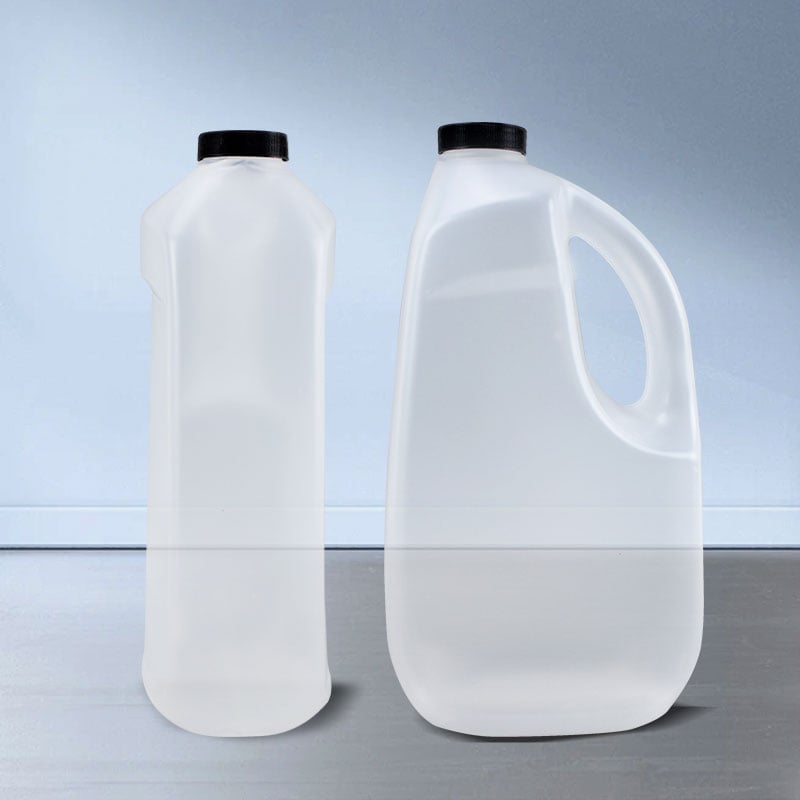
A quality detergent bottle must balance functionality with safety while maintaining product integrity throughout its lifecycle. The right cleaning product containers offer convenience, durability, and ease of use that enhance the overall laundry experience. From material composition to dispenser mechanics, each feature contributes to the overall performance and reliability of your laundry detergent packaging system.
Material Quality and Durability
Choosing the Right Plastic Material
The material of your detergent bottle determines its longevity and chemical resistance. High-density polyethylene (HDPE) and polypropylene (PP) are industry standards for laundry detergent packaging because they resist corrosion from alkaline and acidic detergent formulations. These plastics maintain structural integrity over extended storage periods without degrading or leaking. A plastic detergent dispenser made from inferior materials may crack, discolor, or develop weak points where leaks occur, compromising both product quality and household safety.
Thickness and Impact Resistance
Proper wall thickness is essential for cleaning product containers that endure frequent handling and potential drops. A well-engineered detergent bottle features reinforced walls that absorb impact without cracking or denting. Thicker plastic also provides better protection against UV exposure during storage, preventing premature degradation of both the container and the detergent inside. The thickness should be sufficient to support the weight of a full container without warping or flexing excessively.
Practical Dispenser Design and Functionality
Ergonomic Pouring and Measurement
An effective plastic detergent dispenser must include a pour spout that enables controlled, drip-free application. The spout design prevents splashing and ensures users can accurately measure the correct amount of laundry detergent packaging without waste or spilling. A well-designed spout narrows smoothly from the main bottle opening, directing liquid flow precisely into the washing machine dispenser or detergent drawer. Measurement markings on the side of the detergent bottle allow users to fill a cap or container to the exact recommended dosage, reducing product waste and improving cleaning performance.
Cap and Lid Mechanisms
The closure system is critical for preventing leaks and maintaining air-tight seals. Child-resistant caps are essential features for any detergent bottle stored in households with young children, meeting safety regulations and preventing accidental ingestion. The cap should fit securely without requiring excessive force to open and close, ensuring repeated use over months without degradation. A tight-sealing lid also preserves the detergent formulation by minimizing evaporation and preventing contamination from dust or external particles.
Safety Features and Regulatory Compliance
Clear Labeling and Product Identification
Your detergent bottle must display comprehensive warning labels, ingredient lists, and usage instructions in compliance with consumer protection standards. Clear labeling on cleaning product containers prevents accidental misuse and helps household members understand proper handling procedures. Color-coding or distinctive markings distinguish your laundry detergent packaging from other cleaning products, reducing the risk of confusion or dangerous mixing with incompatible substances.
Stability and Storage Efficiency
A well-designed plastic detergent dispenser features a flat, sturdy base that prevents tipping during storage or use. Stackable containers reduce shelf space requirements for bulk purchases or commercial applications, maximizing storage efficiency in laundry rooms or supply closets. The bottle shape should accommodate vertical shelving without occupying excessive floor or cabinet space. Proper weight distribution ensures the detergent bottle remains stable even when partially empty, preventing accidents or spills that could damage surrounding surfaces or items.
FAQ
What size detergent bottle is most practical for household use?
Most households find 1.5 to 2-liter laundry detergent packaging sizes optimal for balancing storage convenience with frequency of purchase. Larger bottles reduce packaging waste and shopping frequency but require adequate storage space. Smaller bottles offer portability and flexibility for travel or small households. The ideal size depends on your laundry volume and available storage capacity.
How can I prevent leaks in a plastic detergent dispenser?
Ensure the cap is sealed completely after each use and store the detergent bottle upright on a stable surface. Check the seal periodically for cracks or wear, and replace the cap if it no longer fits securely. Transport your cleaning product containers in sealed bags during travel or storage in areas prone to temperature fluctuations. High-quality detergent bottles feature dual-seal designs that provide extra protection against accidental leakage.
Are eco-friendly materials available for laundry detergent packaging?
Yes, many manufacturers now offer recycled plastic detergent bottles that maintain the same durability and chemical resistance as virgin plastic materials. Some plastic detergent dispenser options use plant-based bioplastics that reduce environmental impact without compromising functionality. Look for bottles labeled as recyclable or made from post-consumer recycled content to support sustainable cleaning product containers.