
 EN
EN
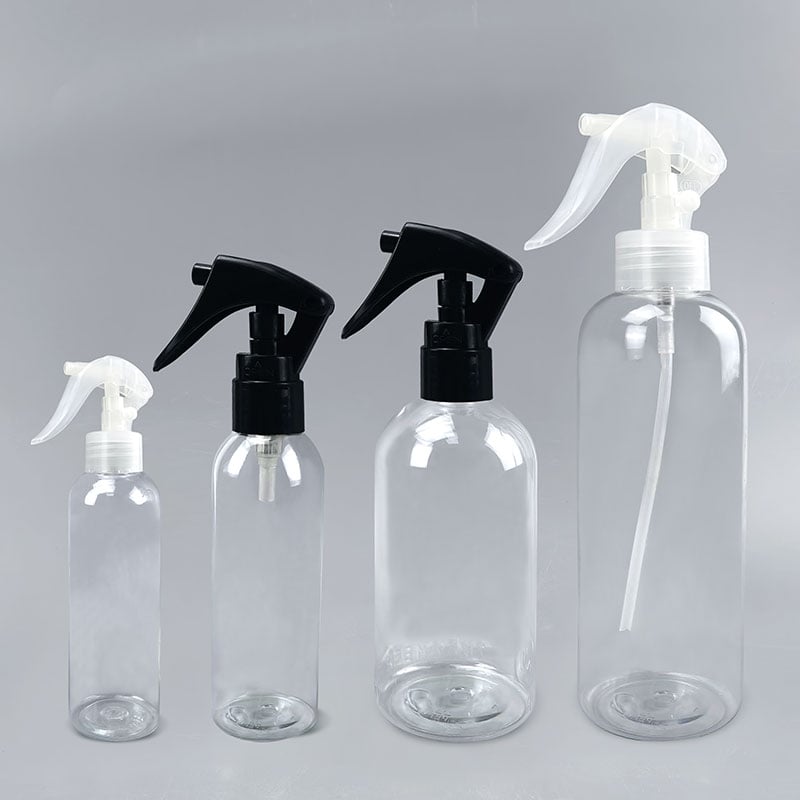
Selecting the right packaging solution for your product requires careful evaluation of multiple factors, and choosing a pet bottle involves understanding your specific operational needs, cost constraints, and environmental considerations. Whether you're packaging beverages, food products, personal care items, or industrial solutions, the pet bottle remains one of the most versatile and widely adopted packaging options in modern manufacturing and distribution. The decision to invest in pet bottle packaging extends beyond simple aesthetics—it encompasses material quality, functionality, regulatory compliance, sustainability practices, and long-term business impact.
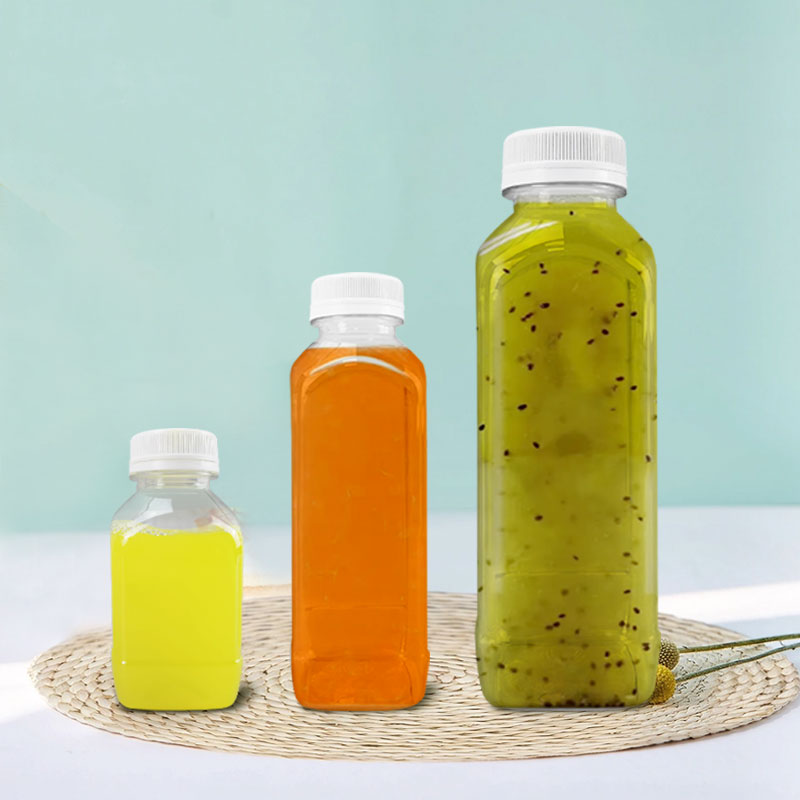
Understanding the critical selection criteria for pet bottle options allows you to make informed purchasing decisions that align with both operational efficiency and market demands. This comprehensive guide explores the essential factors that should guide your pet bottle selection process, from material specifications and container design to environmental responsibility and supply chain reliability. By evaluating these considerations systematically, you can optimize your packaging investment and ensure your products reach customers in optimal condition.
Material Quality and Safety Standards
Food-Grade Certification and Compliance
When evaluating pet bottle options, material quality and regulatory compliance form the foundation of your decision. Food-grade pet bottles must meet stringent international standards, including FDA approval in North America and EU regulations for food contact materials. These certifications ensure that your pet bottle will not leach harmful chemicals into your product, maintaining consumer safety and brand integrity. Verifying that your supplier provides proper documentation of food-grade certification prevents costly recalls and regulatory violations that could damage your market reputation.
Durability and Impact Resistance
The structural integrity of your pet bottle directly affects product shelf life and consumer experience. High-quality pet bottles demonstrate superior impact resistance, protecting contents during transportation, storage, and handling in retail environments. The thickness and material composition of the pet bottle walls determine how well it withstands pressure, temperature fluctuations, and mechanical stress. Investing in durable pet bottle construction reduces breakage rates, minimizes product waste, and decreases your overall packaging costs through improved loss prevention during the supply chain.
Design, Functionality, and Bottle Storage Solutions
Container Shape and Ergonomic Considerations
Pet bottle design significantly impacts user experience and market competitiveness. Lightweight containers with ergonomic handles, pour spouts, or resealable caps enhance consumer convenience and product differentiation. Your choice of pet bottle shape—whether standard cylindrical, square, or custom contoured designs—affects how efficiently lightweight containers stack in warehouses and on retail shelves, directly influencing your bottle storage solutions and logistics efficiency. Consider how your target consumers will interact with the pet bottle during purchase, use, and disposal, as functional design elements often justify premium pricing and strengthen brand perception.
Seal Integrity and Closure Systems
The closure mechanism of your pet bottle determines product freshness, shelf stability, and consumer satisfaction. Tamper-evident caps, induction seals, and screw-top closures each offer distinct advantages depending on your product category and market segment. Lightweight containers with reliable sealing systems prevent oxidation, contamination, and leakage, reducing product returns and negative customer reviews. Evaluating the compatibility between your product formulation and the pet bottle closure system ensures that your packaging maintains product integrity throughout its intended shelf life and distribution journey.
Environmental Responsibility and Plastic Bottle Recycling
Recyclability and Sustainability Credentials
Modern consumers and regulatory bodies increasingly prioritize environmental impact, making plastic bottle recycling capabilities essential to your packaging strategy. Pet bottles are among the most recyclable plastics, with established collection and reprocessing infrastructure in most developed markets, supporting a circular economy approach to bottle storage solutions. Selecting pet bottles manufactured from recycled content or designed for easy recyclability demonstrates corporate sustainability commitment and appeals to environmentally conscious consumers. Understanding local plastic bottle recycling programs and labeling your pet bottle with appropriate recycling symbols ensures consumer compliance and maximizes the likelihood that your packaging will enter the recycling stream rather than landfills.
Supplier Sustainability Practices and Supply Chain Transparency
Beyond the pet bottle itself, evaluating your supplier's manufacturing practices, carbon footprint, and waste management systems reflects your brand's environmental values. Suppliers committed to lightweight containers and efficient production processes reduce energy consumption and material waste associated with your pet bottle procurement. Requesting sustainability certifications, production audits, and carbon accounting data from your packaging supplier ensures that your choice of pet bottle aligns with corporate environmental goals and transparent supply chain practices. This due diligence demonstrates accountability to stakeholders and supports long-term brand positioning in an increasingly sustainability-focused marketplace.
Cost Efficiency, Volume Requirements, and Supply Chain Reliability
Pricing Structure and Volume Economics
Pet bottle pricing varies significantly based on material quality, customization complexity, order volume, and supplier reliability. Lightweight containers typically command reasonable costs relative to alternative packaging materials, but economies of scale become increasingly important as your production volumes grow. Evaluating total cost of ownership—including manufacturing expenses, transportation costs, storage overhead, and waste disposal—provides a more accurate comparison than simple unit price. Negotiating volume commitments and establishing long-term supplier relationships often unlock pricing advantages and ensure consistent access to quality pet bottle inventory that supports your growth trajectory.
Supplier Reliability and Supply Chain Resilience
Your packaging supplier's operational stability, production capacity, and delivery reliability directly impact your production schedule and market responsiveness. Diversifying your pet bottle sourcing across multiple suppliers reduces dependency risk and protects against supply disruptions that could halt production or delay product launches. Evaluating supplier certifications, quality control processes, and inventory management practices ensures that your chosen pet bottle supplier can consistently deliver materials that meet your specifications and timeline requirements. Building strong supplier relationships with transparent communication channels and collaborative problem-solving approaches strengthens your supply chain resilience and supports sustainable business growth.
FAQ
What are the main advantages of selecting pet bottles for beverage packaging?
Pet bottles offer exceptional advantages including lightweight properties that reduce shipping costs, excellent clarity for product visibility, strong impact resistance for consumer protection, and proven recyclability supporting plastic bottle recycling initiatives. Their versatility accommodates diverse product types, from carbonated beverages to juices and water, while meeting stringent food safety standards and consumer expectations for quality and sustainability.
How does plastic bottle recycling affect my choice of pet bottle supplier?
Selecting suppliers committed to plastic bottle recycling infrastructure and sustainable manufacturing practices demonstrates environmental responsibility and appeals to conscious consumers. Look for suppliers offering recycled-content pet bottles, participating in bottle storage solutions for post-consumer recycling programs, and maintaining transparent documentation of their recycling initiatives and sustainability performance metrics.
What factors should I prioritize when comparing lightweight containers for cost optimization?
Prioritize total cost of ownership analysis that includes material pricing, transportation expenses related to lightweight containers' reduced weight, storage efficiency through improved bottle storage solutions, waste management costs, and volume discounts. Balance cost considerations with quality standards, supplier reliability, and long-term supply chain resilience to ensure sustainable profitability and consistent product availability.