
 EN
EN
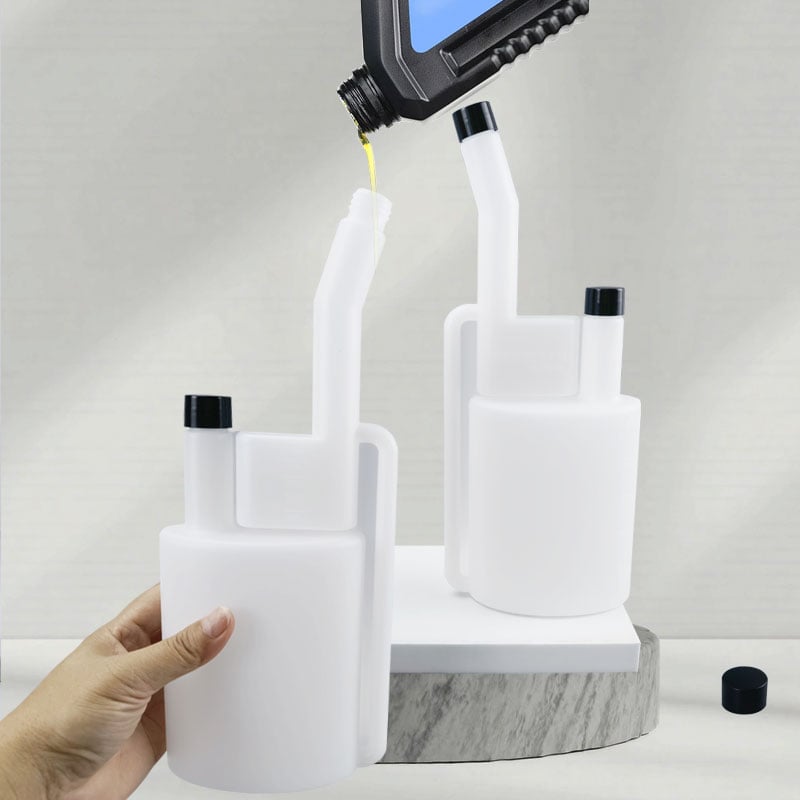
The question of whether a soap bottle can be refilled and recycled is increasingly important as consumers and businesses seek sustainable packaging solutions. A soap bottle, particularly one designed as a refillable soap container, offers significant environmental and economic benefits when properly managed through reuse and recycling cycles. Understanding the refilling and recycling potential of soap bottles helps organizations reduce waste, lower packaging costs, and align with environmental responsibility goals.
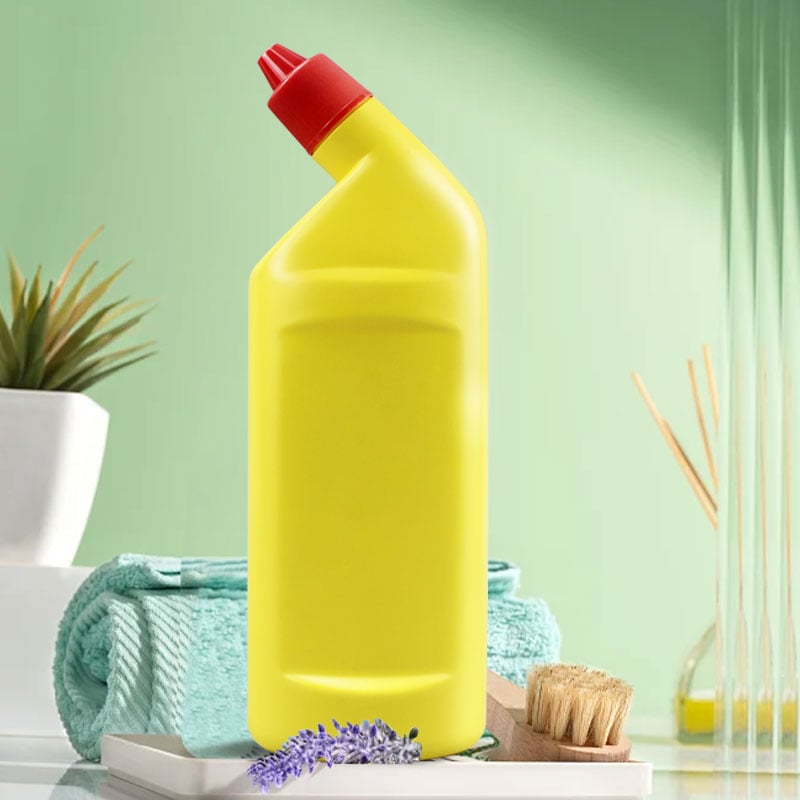
Most modern soap bottles, especially those manufactured from high-density polyethylene (HDPE) or similar durable plastics, are engineered specifically for multiple reuse cycles. A pump bottle for soap provides controlled dispensing and protects the product while facilitating easy refilling. The design of a liquid soap dispenser determines its longevity and suitability for refilling, making material selection and construction quality critical factors in determining whether a soap bottle can withstand repeated use.
Refilling Your Soap Bottle
Preparing the Soap Bottle for Refill
Before refilling any soap bottle, inspect it thoroughly for cracks, degradation, or damage that might compromise its structural integrity. A refillable soap container should have a secure cap or closure system that prevents leakage and contamination between refill cycles. Rinse the interior of the pump bottle for soap with warm water to remove residue from the previous product, ensuring compatibility and preventing mixing of different formulations.
Refilling Process and Best Practices
The refilling process for a liquid soap dispenser is straightforward but requires attention to detail. Use a funnel to pour liquid soap into your soap bottle without spilling, and ensure the product is compatible with the bottle material to prevent degradation. A pump bottle for soap should be filled to the appropriate level—not overfilled, which can cause leakage—and the pump mechanism should be tested before placing it back into service. This refillable soap container approach extends product life and reduces the need for frequent replacement, making it economical and environmentally sound.
Recycling and Environmental Impact
Material Composition and Recyclability
Most plastic soap bottles are manufactured from HDPE (plastic resin #2) or polypropylene (plastic resin #5), both of which are widely accepted in municipal recycling programs. The pump bottle for soap components, including the pump mechanism itself, may be made from different plastics or metal, which affects overall recyclability. Before recycling, disassemble the liquid soap dispenser if possible, separating the pump mechanism from the main container to ensure each component is processed correctly according to local recycling guidelines.
End-of-Life Considerations
When a refillable soap container reaches the end of its functional life, proper recycling prevents unnecessary waste in landfills. Ensure the soap bottle is completely empty and rinsed to avoid contamination of recycling streams, as residual product can compromise the quality of recycled plastic. Many facilities prefer plastic containers to be clean and free of labels, though this varies by location, so check local guidelines. Recycling a soap bottle closes the material loop, allowing the plastic to be transformed into new products and reducing the demand for virgin plastic resources.
Maximizing Soap Bottle Lifespan
Storage and Maintenance Strategies
Proper storage extends the lifespan of any soap bottle significantly. Keep your pump bottle for soap in a cool, dry location away from direct sunlight, which can degrade plastic over time and compromise the material structure. A liquid soap dispenser should be stored upright to maintain pump function and prevent potential seal failure. Avoid exposing your refillable soap container to extreme temperature fluctuations, which can cause warping and reduce its ability to hold subsequent refills securely.
Signs It's Time to Replace
Despite proper care, every soap bottle eventually requires replacement. Visible cracks, persistent leaking, or a pump mechanism that no longer functions reliably indicates that the pump bottle for soap has reached the end of its useful life. If a liquid soap dispenser develops a discolored interior or produces odors despite thorough cleaning, this may signal material degradation that makes continued use unsafe. When these signs appear, recycling the soap bottle is the appropriate next step, ensuring the material is processed responsibly and can be repurposed rather than discarded as waste.
FAQ
Can I refill any type of soap bottle?
Not all soap bottles are designed for refilling, though most commercial pump bottles and liquid soap dispensers can accommodate multiple refills if the container remains structurally sound. Single-use or low-quality plastic bottles may degrade after one or two refills, making a refillable soap container the better choice for long-term sustainability. Always check the manufacturer's specifications to confirm whether your specific soap bottle is rated for refilling and how many cycles it can endure.
What should I do if my pump bottle for soap starts leaking?
Leaking in a pump bottle for soap often indicates seal failure or micro-cracks in the container material. Try removing and reinserting the pump mechanism to reseat the internal seals, which sometimes restores function without requiring replacement. If leaking persists, inspect the bottle for visible damage, clean the threads and seal surfaces thoroughly, and attempt reassembly; if the problem continues, the liquid soap dispenser has likely reached the end of its serviceable life and should be recycled.
Are soap bottles recyclable in all areas?
Most soap bottles made from HDPE or polypropylene are recyclable in standard municipal programs, but acceptance varies by location and local infrastructure. Contact your local waste management facility or check their website to confirm whether your refillable soap container and pump bottle for soap are accepted in your area. Some regions have specialized recycling programs for plastic containers, while others may have restrictions, so verification ensures your efforts to recycle are successful.