
 EN
EN
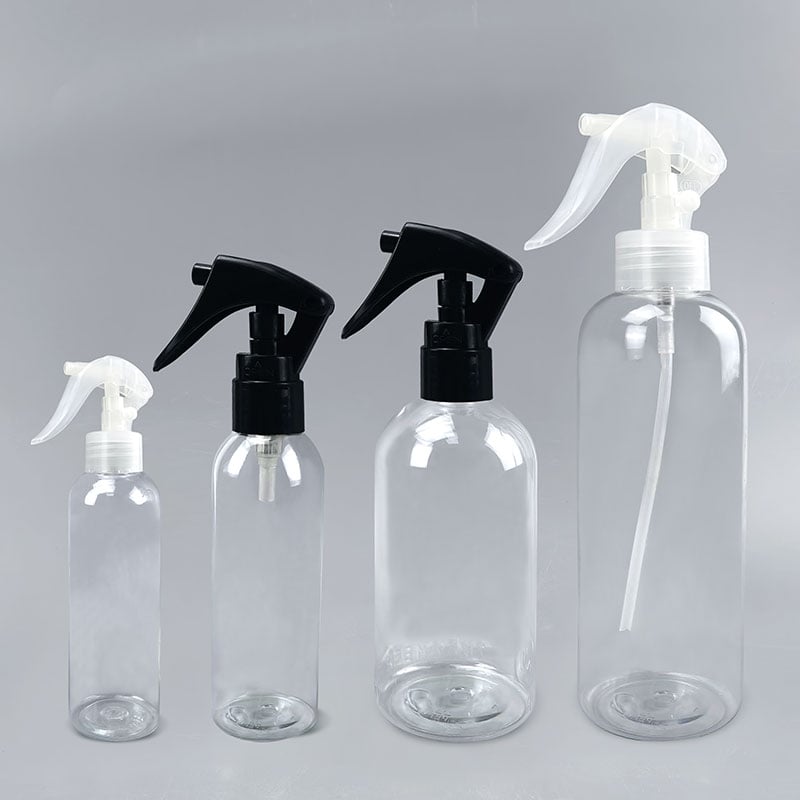
When selecting packaging for beverages, food products, or personal care items, the choice between materials significantly impacts cost, sustainability, and product performance. A pet bottle stands out as one of the most versatile and widely adopted packaging solutions in modern manufacturing. Understanding how PET compares to alternative materials helps businesses make informed decisions that balance durability, environmental responsibility, and operational efficiency.
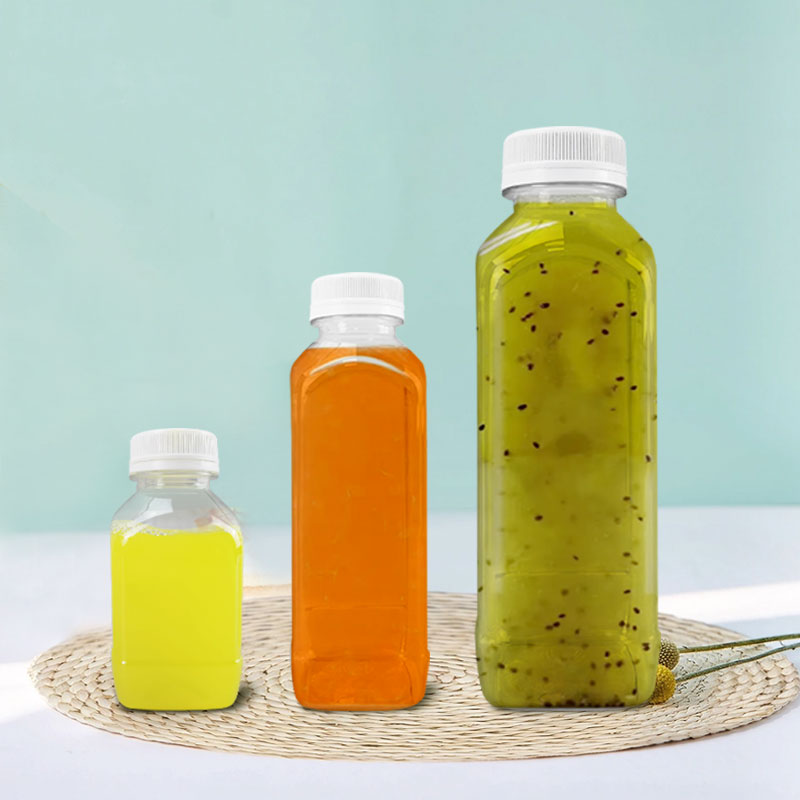
The beverage and packaged goods industry relies on multiple packaging formats, each with distinct advantages and limitations. Glass offers premium aesthetics and complete chemical inertness but carries weight penalties and breakage risks. Metal containers provide strength and barrier properties but demand higher production costs. Cardboard-based solutions excel in sustainability perception yet lack moisture resistance for liquid products. Lightweight containers made from PET plastic deliver an optimal balance of performance, cost-effectiveness, and growing recyclability through plastic bottle recycling programs worldwide.
Material Properties and Performance Comparison
Strength and Durability Characteristics
PET bottles demonstrate exceptional durability relative to their weight. Unlike glass, which fractures easily when dropped, PET withstands impact and mechanical stress without shattering, making it ideal for transportation, retail environments, and consumer use. Metal containers are stronger but require specialized equipment to manufacture and fill. Glass provides complete barrier protection but introduces fragmentation hazards. For lightweight containers that maintain structural integrity throughout the supply chain, PET offers a compelling advantage that reduces loss rates and handling injuries while maintaining product visibility through transparent walls.
Barrier and Preservation Properties
Barrier performance determines how effectively packaging protects contents from oxygen, moisture, and light exposure. Glass and metal provide superior barriers for long-term storage of sensitive products like pharmaceuticals. PET bottles offer respectable barrier properties sufficient for most beverage applications, particularly when manufacturers use multi-layer technology or add oxygen scavengers. Cardboard solutions typically require internal plastic liners to function effectively with liquids. For lightweight containers prioritizing affordability and adequate preservation, PET bottles deliver proven performance across juice, water, sports drinks, and dairy categories without excessive material thickness.
Cost and Manufacturing Efficiency
Production Economics and Supply Chain
Manufacturing costs heavily influence packaging selection. PET bottles require lower capital investment than glass furnaces or metal stamping operations, enabling smaller producers to enter markets competitively. The injection molding and stretch-blow molding processes for PET achieve rapid cycle times, supporting high-volume production at lower per-unit costs than glass or metal alternatives. Distribution costs favor lightweight containers significantly, as PET weighs approximately one-tenth of glass for equivalent volume capacity. This reduction in transportation weight decreases fuel consumption, carbon emissions, and shipping expenses, making PET economically superior across supply chains that span regional or international distances.
Customization and Design Flexibility
PET bottles offer superior design freedom compared to metal or glass alternatives. Manufacturers can create varied shapes, sizes, and label placements without tooling constraints that limit metal or rigid glass options. Lightweight containers enable innovative ergonomic designs that enhance consumer appeal and improve handling. Colors can be incorporated directly into resin formulations, offering aesthetic choices beyond painted or coated alternatives. This design flexibility supports brand differentiation and market positioning, particularly for consumer goods where visual distinctiveness drives purchasing decisions on retail shelves.
Environmental Impact and Plastic Bottle Recycling
Recyclability and Circular Economy Participation
PET bottles represent a mature recyclable material with established infrastructure in developed markets. Plastic bottle recycling programs collect, sort, and reprocess PET into new bottles, fiber, and industrial applications, closing material loops and reducing landfill burden. Glass, while infinitely recyclable, requires energy-intensive melting processes and occupies significant collection system volume. Metal recycling achieves high recovery rates but competes with energy-intensive primary production. Cardboard recycling excels in fiber recovery yet performs poorly for contaminated wet materials. Modern plastic bottle recycling technology has advanced substantially, enabling manufacturers to incorporate 25–100% recycled content into new bottles while maintaining safety and performance standards for food contact applications.
Weight Reduction and Transportation Emissions
Lightweight containers directly reduce transportation carbon footprints. A single truck carries approximately three times more PET bottles than glass equivalents by weight, proportionally reducing fuel consumption and associated greenhouse gas emissions per unit transported. This weight advantage compounds across global supply chains, making PET packaging attractive to enterprises pursuing carbon reduction commitments and sustainability reporting goals. While plastic bottle recycling infrastructure continues evolving, current systems benefit from lower collection and sorting costs associated with lightweight materials compared to dense glass or metal alternatives, improving economic viability of recycling programs.
Market Applications and Industry-Specific Fit
Beverage Industry Dominance
The beverage sector relies predominantly on PET bottles due to proven performance with carbonated and non-carbonated drinks. Soft drinks, water, juices, tea, and energy beverages all utilize PET effectively. Lightweight containers accommodate convenient sizing from single-serve 8-ounce bottles to bulk 2-liter formats, offering consumers flexible options. Glass alternatives remain niche products in premium segments despite higher costs, while metal cans serve specific applications with higher margins. For manufacturers serving mass-market beverage distribution through retail chains, convenience stores, and vending systems, PET bottles provide the most economically practical packaging choice without compromising product quality or consumer safety.
Food and Non-Beverage Applications
Beyond beverages, PET bottles serve personal care products, household cleaners, condiments, and prepared foods. Their lightweight design reduces shipping costs for these lower-margin categories where every penny of production expense impacts profitability. Barrier properties prove adequate for shelf-stable items requiring weeks or months of storage. The transparency of PET allows consumers to inspect contents before purchase, building confidence in product authenticity and quality. In emerging markets where cold chain infrastructure remains underdeveloped and distribution networks span extended distances, the combination of lightweight containers and proven durability makes PET the practical choice over glass or metal alternatives.
FAQ
Why do manufacturers prefer PET bottles over glass for most applications?
Manufacturers choose PET bottles because of their combination of low cost, lightweight design, durability, and established recycling infrastructure. Glass requires higher capital equipment investment, adds significant weight that increases shipping costs, and introduces breakage risks during transport and retail handling. While glass provides superior barrier properties and premium aesthetics, most applications do not require these advantages enough to justify the 10–15 times higher material cost. For high-volume beverage production targeting price-sensitive consumers, PET offers the optimal balance of performance and economics.
How does plastic bottle recycling impact the environmental comparison between PET and alternatives?
Plastic bottle recycling substantially improves PET's environmental profile by reducing virgin material extraction and landfill volume. Recycled PET content in new bottles decreases production energy consumption by approximately 40–50% compared to virgin resin production. Glass recycling requires energy-intensive melting processes, while metal recycling benefits from high scrap values but still demands significant energy input. As plastic bottle recycling infrastructure matures and collection rates increase, PET's lifecycle environmental impact continues improving relative to alternatives, making it increasingly attractive to sustainability-conscious manufacturers.
Are there specific applications where lightweight containers from other materials outperform PET bottles?
Yes, glass containers excel for premium beverages, pharmaceuticals requiring absolute chemical inertness, and products demanding extended shelf life without oxygen ingress. Metal cans perform better for carbonated beverages in certain regions due to consumer preference and established distribution systems. Cardboard-based solutions work well for shelf-stable dry goods and items where environmental perception justifies premium pricing. However, for mainstream beverage distribution, retail convenience, transportation economics, and broad consumer acceptance, lightweight containers made from PET remain the market standard across virtually all commercial channels.