
 EN
EN
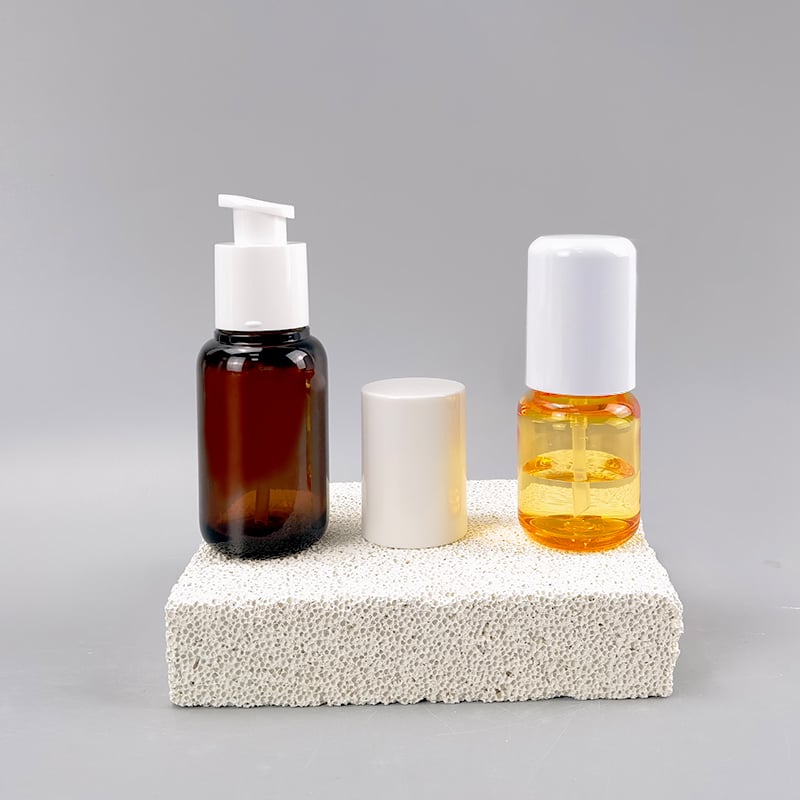
A cosmetic jar serves as far more than a simple storage vessel for your skincare formulations. It is a critical protective barrier that shields your products from environmental degradation, bacterial contamination, and chemical oxidation. Whether you manufacture high-end serums, creams, or specialized skincare treatments, the right cosmetic jar can dramatically extend product shelf life while maintaining efficacy and consumer trust. Understanding how these containers work reveals why packaging choices matter as much as formula development in the skincare industry.
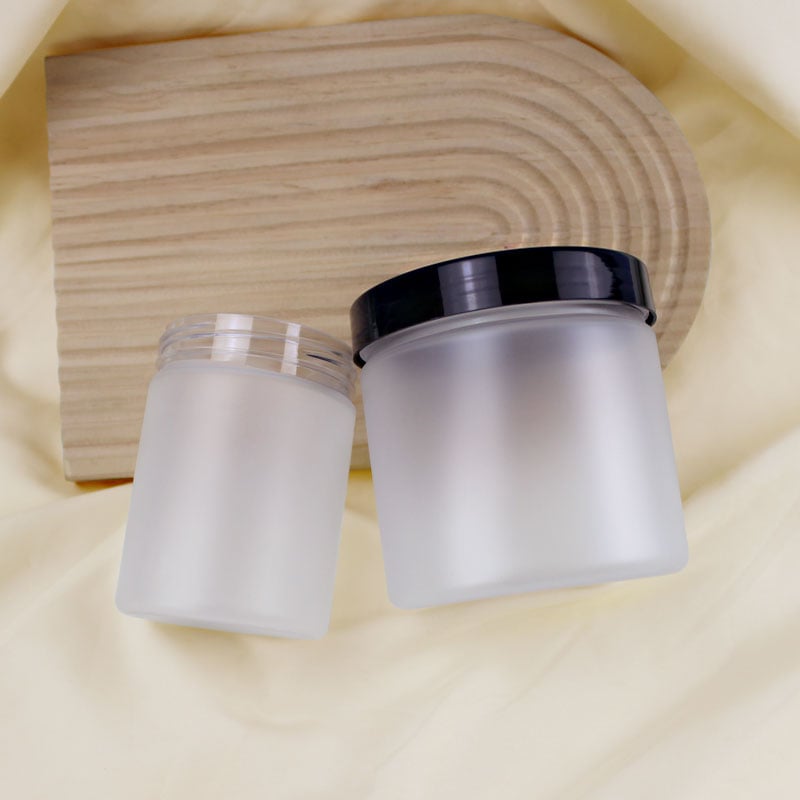
The protection offered by a cosmetic jar extends across multiple dimensions: physical barrier creation, moisture regulation, light blocking, and oxygen control. Modern skincare formulations contain sensitive botanical extracts, active vitamins, peptides, and antioxidants that degrade when exposed to air, light, or humidity. The cosmetic jar design directly impacts how well these ingredients remain stable and potent throughout the product lifecycle. Selecting the proper container type determines whether your skincare investment maintains its intended benefits from purchase through the final application.
How Cosmetic Jars Protect Against Environmental Damage
Barrier Protection and Contamination Prevention
A well-designed cosmetic jar creates a sealed environment that prevents external contaminants from entering the product. When consumers repeatedly open and close containers, the jar's seal integrity becomes paramount to preventing bacterial growth, mold formation, and microbial colonization. Glass cosmetic containers offer superior barrier properties compared to alternative materials because glass is inherently non-porous and chemically inert. This means glass will not leach compounds into formulations and will not absorb moisture or odors that could compromise product quality. The airtight seal of a cosmetic jar, particularly when paired with specialized closures, ensures that each use maintains product sterility throughout the product lifecycle.
Light and Oxidation Control
UV light exposure degrades many active skincare ingredients, causing them to lose potency and sometimes generate unstable compounds that may irritate skin. Glass cosmetic containers, especially those manufactured in amber, blue, or frosted finishes, provide natural UV protection by filtering harmful wavelengths before they reach the product. Opaque cosmetic jar designs block up to ninety percent of damaging light while maintaining the luxury appearance consumers expect from premium skincare. Oxidation also accelerates when products remain exposed to oxygen, which is why airless pump bottles have gained popularity in the industry. These specialized dispensers minimize air exposure by using a vacuum mechanism, delivering product upward without allowing ambient oxygen to enter the container. For creams and balms stored in traditional cosmetic jars, vacuum seals or nitrogen flushing during manufacturing can further reduce oxidative degradation.
Selecting the Right Cosmetic Jar for Your Formulation
Material Considerations and Sustainability
The choice between glass cosmetic containers and plastic options represents a critical decision in skincare packaging. Glass provides unmatched product protection but carries higher weight, shipping costs, and environmental concerns related to energy-intensive production. Plastic cosmetic jars offer lightweight alternatives and shatter resistance, making them practical for consumer-facing packaging. However, certain plastic polymers can interact with aggressive skincare actives over time. High-density polyethylene and polypropylene generally perform well, while polycarbonate may leach compounds under specific conditions. Sustainable packaging solutions now bridge this divide by offering plant-based bioplastics and recycled materials that reduce environmental impact without sacrificing product integrity. Leading brands increasingly combine glass cosmetic containers with recyclable components to balance protection and environmental responsibility.
Airless Technology and Advanced Dispensing
Airless pump bottles represent an evolution in cosmetic jar design, offering mechanical protection against oxidation and contamination. These systems use a vacuum chamber and piston mechanism that keeps formulations separated from ambient air throughout product use. Airless pump bottles prove particularly valuable for lightweight serums, essential oil blends, and oxygen-sensitive actives like vitamin C derivatives. The airless pump bottles eliminate the need for preservative overloading while extending shelf stability significantly. For brands targeting professional or luxury segments, airless pump bottles communicate innovation and premium positioning. Integration of airless pump bottles into your cosmetic jar portfolio demonstrates commitment to both product efficacy and consumer safety, particularly for sensitive skin applications. However, formulation viscosity matters—thinner products dispense easily through airless mechanisms, while thicker creams may require specialized pump designs.
Implementing Effective Storage and Sustainability Practices
Manufacturing and Distribution Best Practices
How you fill and seal your cosmetic jar fundamentally impacts how well it protects your product during storage and shipping. Nitrogen flushing—a technique where inert nitrogen gas replaces oxygen inside the container before sealing—significantly extends shelf life for oxidation-sensitive formulations. Cold-fill processes for certain skincare ingredients prevent heat degradation while the cosmetic jar cools, creating optimal conditions for long-term stability. Temperature-controlled warehousing protects cosmetic jar inventory from fluctuations that could compromise seal integrity or accelerate ingredient breakdown. Quality assurance testing of filled cosmetic jars should include headspace analysis, seal strength verification, and accelerated stability studies. Proper manufacturing protocols ensure every cosmetic jar that reaches consumers maintains the protection standards your brand promises.
Sustainable Packaging Solutions and Consumer Appeal
Modern consumers increasingly demand sustainable packaging solutions that align with their environmental values. Glass cosmetic containers remain recyclable indefinitely without quality loss, supporting circular economy principles. Bioplastic cosmetic jars derived from sugarcane or other renewable sources offer functional equivalence while reducing fossil fuel dependence. Refillable cosmetic jar systems encourage repeat purchases and reduce packaging waste per application. Brands implementing sustainable packaging solutions often achieve premium positioning while building consumer loyalty. Minimalist labeling, compostable cardboard, and post-consumer recycled materials further enhance sustainability credentials. Communicating your cosmetic jar choice transparently—whether prioritizing superior product protection through glass or environmental responsibility through bioplastics—resonates with increasingly conscious skincare consumers. The intersection of product protection and environmental stewardship through thoughtful cosmetic jar selection represents best practice in modern skincare marketing.
FAQ
Why should I choose glass cosmetic containers over plastic alternatives?
Glass cosmetic containers provide superior product protection through non-porosity, UV filtering, and complete chemical inertness. Glass will not leach compounds into formulations and offers permanent recyclability. However, plastic cosmetic jars offer practical benefits including light weight, reduced shipping costs, and shatter resistance. The choice depends on your brand positioning, target market, and specific formulation requirements. Premium skincare brands often use glass cosmetic containers, while mass-market alternatives may prioritize plastic for accessibility and durability during consumer handling.
How do airless pump bottles improve product stability compared to traditional cosmetic jar designs?
Airless pump bottles eliminate oxygen exposure through vacuum-sealed mechanisms, dramatically slowing oxidation of sensitive actives like vitamin C, resveratrol, and botanical extracts. Traditional cosmetic jar designs allow oxygen to enter each time the product is accessed, accelerating degradation. Airless pump bottles also reduce bacterial contamination risk since fingers never contact the product. These advantages make airless pump bottles ideal for serums and lightweight formulations, though they work best with specific viscosities and require proper consumer education about proper dispensing technique.
What makes sustainable packaging solutions effective for skincare products?
Sustainable packaging solutions balance environmental responsibility with product protection requirements. Recycled glass cosmetic containers, bioplastic cosmetic jars, and refillable systems all reduce waste while maintaining efficacy. The key is ensuring the sustainable material still provides adequate barrier properties, seal integrity, and compatibility with your specific formulation. Many brands successfully implement sustainable packaging solutions by combining glass or bioplastic cosmetic containers with recycled cardboard packaging and minimalist labeling, achieving both environmental goals and premium brand perception.