
 EN
EN
Selecting the right cosmetic jar size is a critical decision that impacts product functionality, brand perception, and customer satisfaction. The size you choose determines how your skincare, makeup, or personal care products are stored, dispensed, and perceived by end users. Whether you are developing a new product line or reformulating existing offerings, understanding the relationship between jar size, packaging efficiency, and market expectations ensures your choice aligns with both practical needs and business objectives.
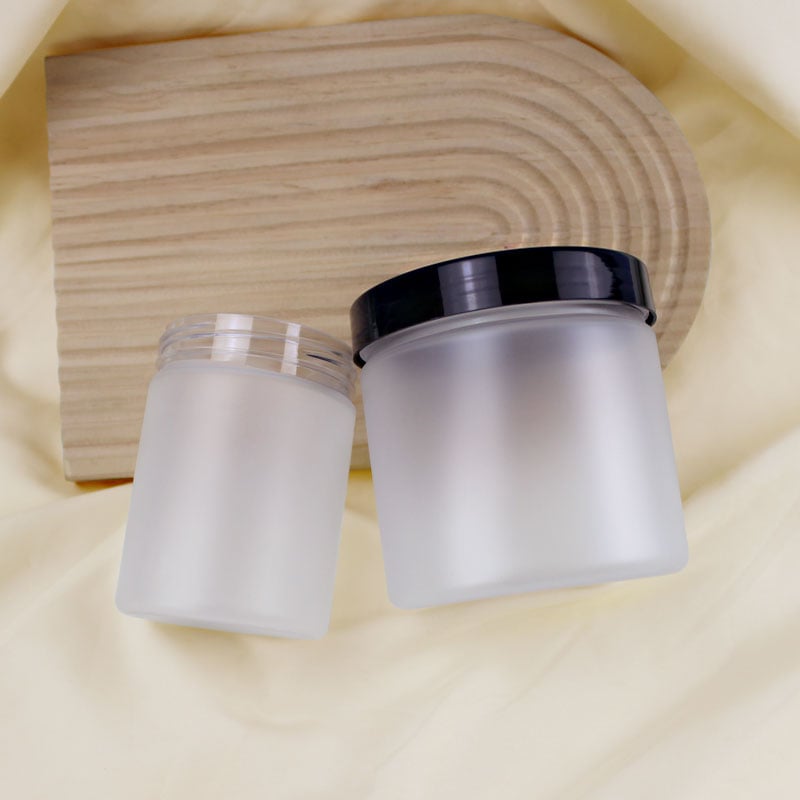
The cosmetic packaging industry offers diverse container solutions, from traditional glass cosmetic containers to modern airless pump bottles and sustainable packaging solutions. Each format serves specific product types and consumer preferences. Understanding these options and how they interact with your product's viscosity, shelf life requirements, and brand positioning allows you to make an informed decision that enhances both functionality and market appeal.
Understanding Product Type and Viscosity Requirements
Matching Jar Size to Product Consistency
The viscosity of your product fundamentally determines which cosmetic jar size works best. Thick creams, balms, and butters typically require wider-mouth containers with larger openings to allow customers to access the product easily with applicators or fingers. A five-ounce to ten-ounce cosmetic jar provides adequate space for these dense formulations while maintaining optimal product visibility and user experience. Thinner lotions and serums, by contrast, often work better in smaller, more compact containers that reduce oxidation exposure and maintain product integrity.
Glass cosmetic containers are particularly effective for premium formulations because they preserve product quality longer and communicate luxury positioning. When selecting glass cosmetic containers, consider how the jar mouth diameter affects product extraction. Wider mouths facilitate easier access for thicker products, while narrower openings work well with airless pump bottles designed for lightweight formulations. The interior surface area also influences how much product residue remains after use, affecting perceived value and waste.
Considering Product Shelf Life and Stability
Larger cosmetic jar sizes expose products to more oxygen with each opening, potentially accelerating oxidation and reducing shelf life. If your formulation contains sensitive ingredients like antioxidants, vitamins, or plant extracts, a smaller jar size minimizes air exposure and maintains efficacy longer. Conversely, products with robust preservation systems can accommodate larger containers without significant stability concerns. This consideration directly influences whether you select a one-ounce sample size, a standard two-ounce container, or a larger professional-size jar for salon or spa applications.
Market Positioning and Consumer Expectations
Brand Perception Through Packaging Scale
Cosmetic jar size communicates implicit messages about product quality, value, and brand positioning. Luxury brands often use smaller, more refined containers to emphasize concentration and premium positioning, while mass-market offerings typically feature larger sizes to appear cost-effective. A three-ounce glass cosmetic container positioned in the luxury segment may command higher price premiums than a six-ounce plastic alternative marketed to budget-conscious consumers. Understanding your target demographic's expectations regarding cosmetic jar size ensures your packaging reinforces brand identity rather than creating cognitive dissonance.
Regional and demographic preferences significantly influence cosmetic jar size selection. Asian markets often prefer smaller, travel-friendly sizes that enable product sampling and experimentation. North American consumers frequently gravitate toward larger formats that emphasize value and reduce per-use costs. Millennial and Gen Z consumers increasingly value sustainable packaging solutions, influencing the rise of refillable systems and concentrated formulations in compact containers. Your target customer's purchasing behavior and environmental consciousness should directly inform your cosmetic jar sizing strategy.
Competitive Landscape and Market Differentiation
Analyzing competitor packaging within your product category provides essential benchmarking data. If competitors predominantly offer two-ounce cosmetic jars, introducing a unique three-and-a-half-ounce size might create shelf differentiation. Alternatively, offering multiple size options—including travel sizes, standard sizes, and professional sizes—allows you to serve diverse customer segments simultaneously. This approach works particularly well when combined with sustainable packaging solutions and airless pump bottles that appeal to environmentally conscious consumers seeking alternatives to traditional glass cosmetic containers.
Practical Implementation and Supply Chain Considerations
Production Efficiency and Cost Optimization
Manufacturing capacity and supply chain logistics directly constrain cosmetic jar size decisions. Producing multiple size variations increases tooling costs, inventory complexity, and quality control requirements. Many manufacturers standardize on two or three core cosmetic jar sizes that balance production efficiency with market flexibility. Consulting with packaging suppliers about which sizes offer optimal manufacturing speeds and minimal setup waste helps align your creative vision with economic reality. Glass cosmetic containers often incur higher per-unit costs in small production runs, making size consolidation particularly important for emerging brands with limited volume.
Shipping and distribution economics influence cosmetic jar size selection for e-commerce businesses. Smaller jars reduce weight and dimensional weight charges, lowering shipping costs and improving profit margins on direct-to-consumer sales. Larger cosmetic jar formats suit retail wholesale distribution where merchants absorb shipping costs and benefits accrue through case discounts. Understanding whether your primary distribution channel is e-commerce, traditional retail, professional salons, or multi-channel determines optimal size from both cost and customer convenience perspectives.
Regulatory and Labeling Compliance
Regulatory frameworks often mandate minimum net weight declarations on cosmetic jar labels, influencing size selection. Some markets require specific warning labels or ingredient disclosures that consume valuable label real estate, making larger cosmetic jar sizes more practical for comprehensive labeling. Airless pump bottles and glass cosmetic containers sometimes offer alternative label placement options that smaller traditional jars cannot accommodate. Sustainability certifications for sustainable packaging solutions may also influence size decisions if you pursue eco-conscious market positioning.
FAQ
What cosmetic jar size is best for creams and balms?
For thick creams and balms, a one-ounce to two-ounce cosmetic jar provides ideal balance between product visibility, user access, and shelf stability. Wider-mouth containers facilitate easier product extraction with applicators or fingers, while the moderate volume prevents excessive air exposure. Glass cosmetic containers in these sizes work particularly well for premium formulations, communicating quality while maintaining practicality.
How does cosmetic jar size affect product shelf life?
Larger cosmetic jar sizes expose products to more oxygen during each use, potentially accelerating oxidation and reducing shelf life for sensitive formulations. Smaller containers minimize air exposure and are ideal for products containing vitamins, antioxidants, or botanical extracts. If stability is critical, consider airless pump bottles that eliminate air contact entirely, or select sustainable packaging solutions designed with oxygen-barrier technology.
Should I offer multiple cosmetic jar sizes?
Offering multiple cosmetic jar sizes—such as travel sizes, standard sizes, and professional sizes—allows you to serve diverse customer segments and increase total revenue. This approach works well when combined with sustainable packaging solutions and glass cosmetic containers at different price points. However, production complexity and inventory management increase with multiple sizes, so carefully evaluate whether your target market justifies the added complexity before committing to multi-size product lines.