 EN
EN
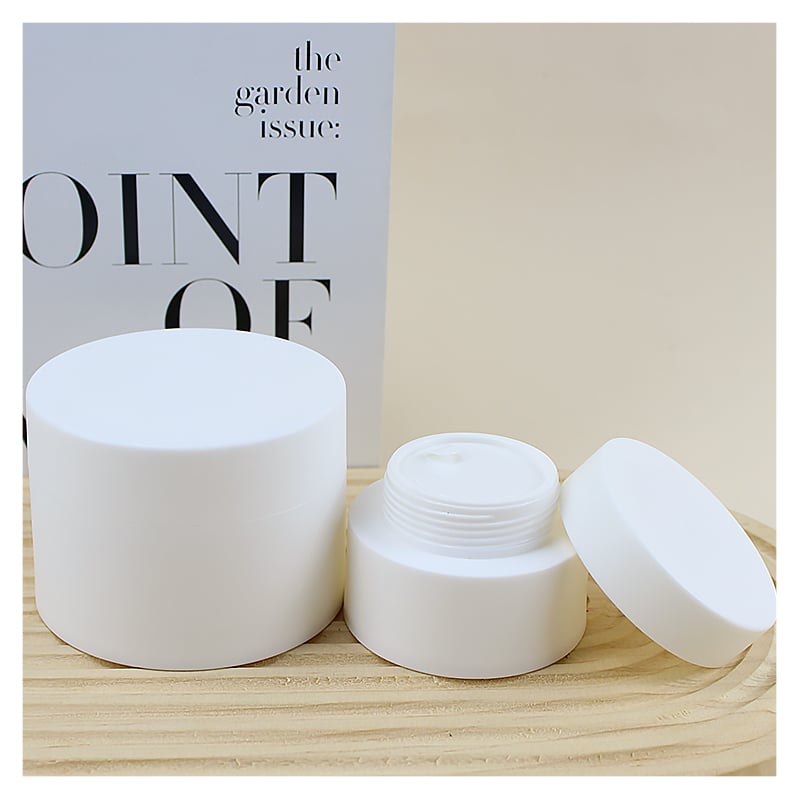
Modern beauty and skincare brands face a critical challenge: preserving product integrity while meeting consumer expectations for quality and sustainability. The choice of packaging directly impacts product efficacy, shelf life, and customer satisfaction. A cream jar is far more than a simple container. Airless technology represents a fundamental shift in how formulations remain stable, potent, and safe from the moment of manufacture through final consumer use.
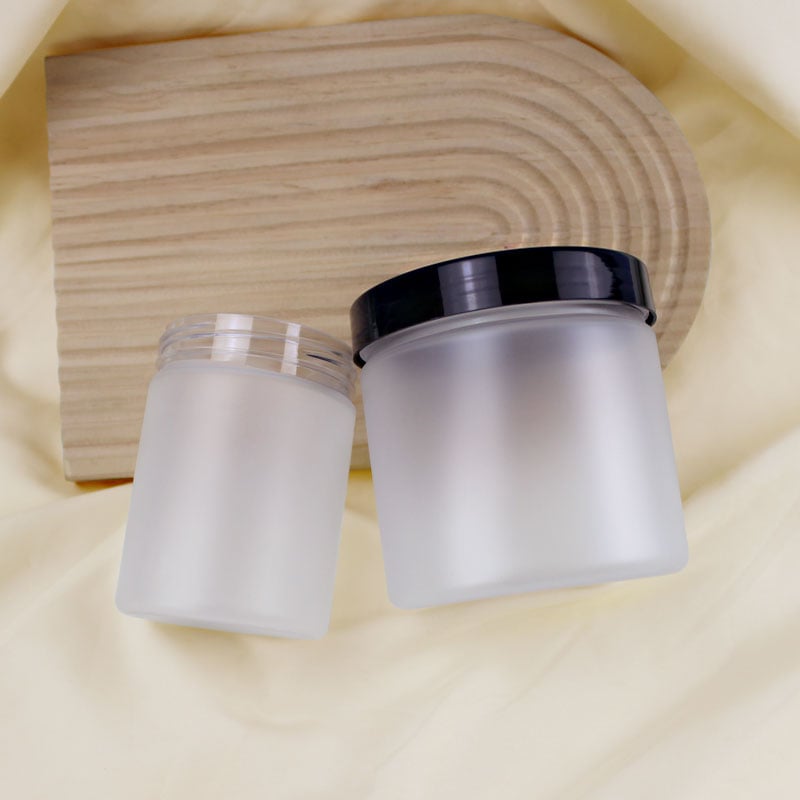
The cosmetic container industry has evolved dramatically over the past two decades. Traditional jars expose creams and serums to oxygen, moisture, and contamination every time they are opened. Airless cosmetic container designs eliminate this exposure entirely, using a vacuum-sealed system that dispenses only the amount of product needed without allowing air back inside. This innovation matters because it protects the chemical stability of active ingredients, reduces the need for chemical preservatives, and extends product shelf life significantly. For skincare packaging professionals, understanding why airless technology matters is essential to making informed decisions about product protection and brand reputation.
How Airless Cream Jar Technology Preserves Product Integrity
The Problem with Traditional Cosmetic Container Designs
Conventional jars rely on passive sealing and manual application with fingers or spatulas. Each opening introduces air into the product, triggering oxidation of sensitive ingredients like vitamins C, retinol, and botanical extracts. Moisture also penetrates traditional cosmetic container walls, degrading water-soluble actives and promoting microbial growth. Many brands compensate by adding higher preservative concentrations, which can irritate sensitive skin and reduce formula elegance. The result is a product that loses potency weeks or months before its printed expiration date, damaging consumer trust and brand loyalty.
Vacuum-Sealed Mechanism in Airless Technology
Airless skincare packaging operates on a simple yet powerful principle: a spring-loaded piston rises from the bottom of the container as the pump is activated, pushing product upward through a sealed pathway. When the pump is released, the piston descends automatically, creating negative pressure that prevents air from entering the chamber. This mechanism means oxygen never contacts the cream or serum remaining in the jar. Formulation integrity stays intact throughout the entire shelf life, whether the product sits on a retailer's shelf or in a consumer's bathroom cabinet. Glass jar storage with airless tops provides the ultimate barrier, though advanced plastic cosmetic container formulations now offer comparable protection with lighter weight and lower shipping costs.
Business and Sustainability Benefits of Modern Skincare Packaging
Extended Shelf Life and Reduced Waste
The primary business advantage of airless cream jar solutions is dramatically extended shelf life. Products packaged in airless systems maintain their claimed efficacy for 24 to 36 months or longer, compared to 12 to 18 months for traditional jars. This extended timeline reduces product returns, improves customer satisfaction, and allows brands to manage inventory more efficiently. From a sustainability perspective, longer shelf life means fewer units must be manufactured to meet annual demand, reducing manufacturing waste, transportation emissions, and packaging material consumption. Retailers appreciate the reduced shrinkage and spoilage costs. Consumers benefit from genuine product performance that matches the brand's marketing claims, creating repeat purchases and positive word-of-mouth.
Minimizing Preservative Dependency
Many skincare brands now market 'clean' and 'natural' formulations that use minimal synthetic preservatives. This positioning appeals to health-conscious consumers but creates genuine microbiological risk in traditional cosmetic container packaging. Airless technology solves this challenge by physically preventing microbial contamination rather than relying on chemical preservation alone. Brands can formulate with natural preservative blends, plant-based actives, and sensitive-skin ingredients without compromising safety or shelf stability. The cream jar becomes a marketing advantage, not a compromise. This shift aligns with consumer demand for gentle, minimalist skincare while maintaining clinical efficacy and product safety standards required by regulatory bodies.
Implementation Considerations for Beauty Brands
Material Selection and Cost Implications
Selecting the right cosmetic container material impacts both performance and production economics. Glass jar storage provides aesthetic appeal and premium positioning but adds weight and fragility during shipping. Advanced PET plastic and other engineered polymers offer comparable oxygen and moisture barriers at lower cost and weight. Frosted matte finishes on plastic containers achieve luxury aesthetics while maintaining functionality. Skincare packaging professionals must balance material performance, brand positioning, sustainability goals, and unit cost within their target retail price. Airless systems are available across material options, ensuring brands can implement this technology without sacrificing their chosen positioning or supply chain strategy.
Compatibility and Formulation Adjustments
Not all formulations work equally well in airless cream jar systems. Extremely thick or highly structured gels may require viscosity adjustments to dispense smoothly through the pump mechanism. Emulsions and serums typically transition without reformulation. Brands must conduct compatibility testing during product development to ensure consistent dispensing and consumer experience. Working with experienced cosmetic container manufacturers during the design phase prevents costly reformulation or production delays later. The investment in proper testing is minimal compared to the risk of launching a product that fails to deliver as promised to consumers in the market.
FAQ
What Makes Airless Cream Jar Technology Superior to Traditional Jars?
Airless cream jar systems prevent oxygen and moisture exposure through a vacuum-sealed pump mechanism that dispenses product without allowing air back into the container. This preserves active ingredient potency, reduces preservative needs, and extends shelf life by 50 to 100 percent compared to traditional glass jar storage or cosmetic container jars that rely on screw-top sealing. Products remain stable and efficacious throughout their claimed shelf life, directly supporting brand credibility and consumer satisfaction.
Can Skincare Packaging Be Both Sustainable and Airless?
Yes. Extended shelf life from airless technology reduces total manufacturing volume and packaging material consumption across a brand's annual supply chain. Airless systems are available in eco-friendly materials including recycled plastic, glass, and aluminum. The combination of extended stability and lightweight materials makes airless cosmetic container solutions one of the most environmentally responsible choices for brands serious about sustainability without compromising product efficacy or consumer safety.
Is Airless Packaging Cost-Prohibitive for Smaller Beauty Brands?
Airless cream jar technology has become increasingly accessible as manufacturing scaled globally. Smaller brands can now source airless systems at competitive unit costs, especially when ordering volumes exceed 5,000 to 10,000 units. The higher initial per-unit cost is typically offset by reduced product returns, improved customer retention, and premium pricing justified by superior product protection. For brands targeting conscious consumers and premium market positioning, airless skincare packaging is a competitive advantage that drives profitability rather than a cost burden.