
 EN
EN
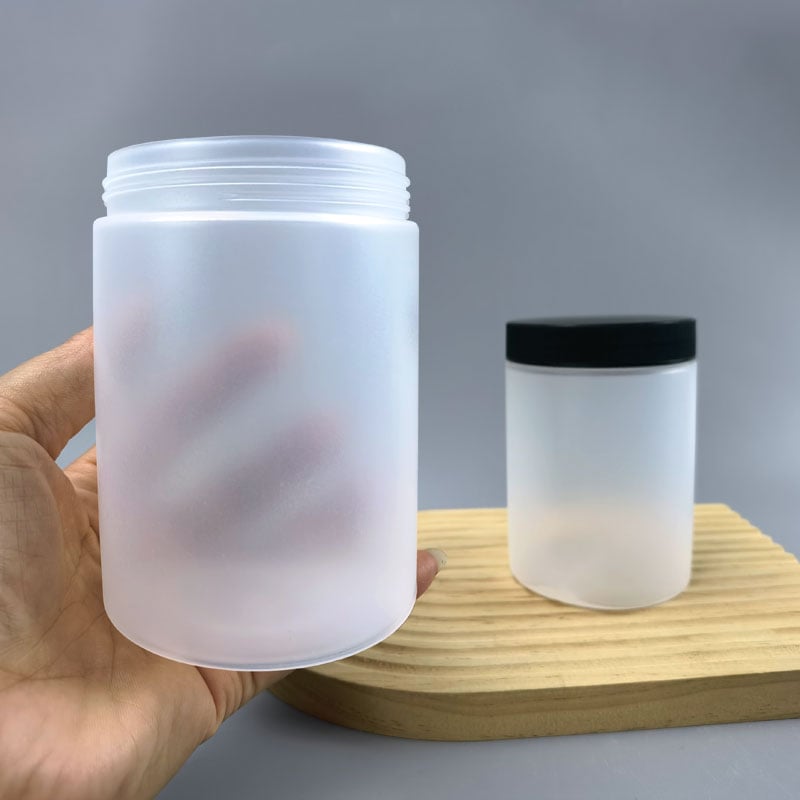
A plastic jar sitting in your kitchen or pantry presents an opportunity that many people overlook. Whether you received one filled with specialty foods, spices, or candies, or you simply accumulated clear plastic containers over time, understanding what happens to these containers matters for both your household and the environment. The question of whether a plastic jar can be recycled or reused is more nuanced than a simple yes or no answer.
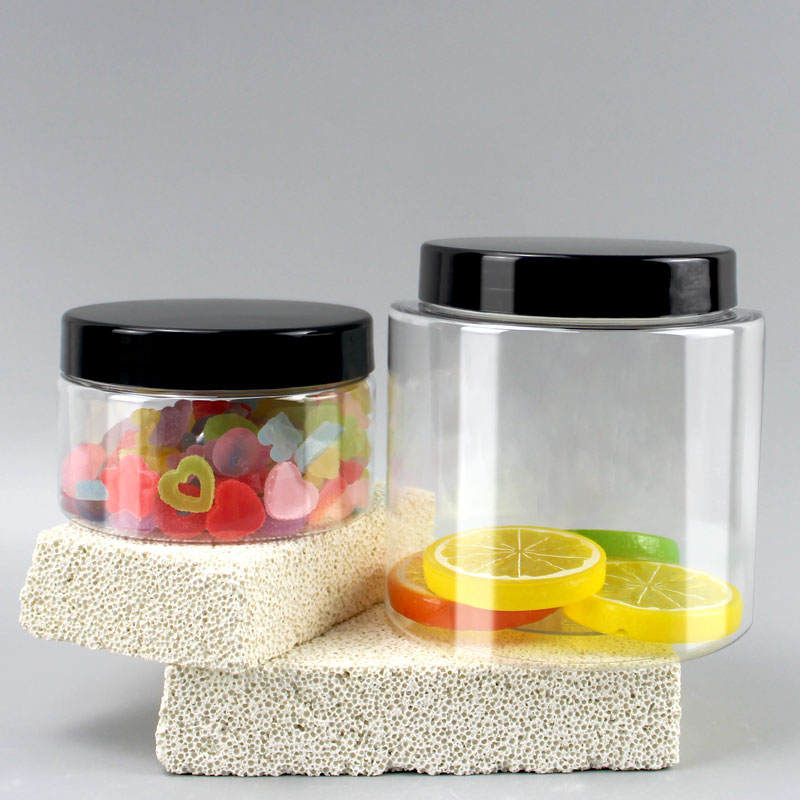
Most food storage jars made from plastic can indeed be recycled, but the answer depends on the plastic resin type, your local recycling infrastructure, and whether the container is contaminated or damaged. Understanding these factors helps you make informed decisions about your clear plastic containers and reusable plastic packaging. This guide explores recycling options, reuse possibilities, and practical steps for managing your plastic jar responsibly.
Understanding Plastic Jar Recycling Potential
Plastic Resin Types and Recyclability
Most food storage jars are made from PET plastic, marked with a number 1 symbol, or HDPE, marked with a number 2 symbol. Both of these resin types are widely accepted in curbside recycling programs across North America and Europe. When clear plastic containers carry these symbols, they typically qualify for standard municipal recycling. However, some specialty jars are made from polypropylene (number 5) or polystyrene (number 6), which have more limited recycling acceptance.
Before placing any plastic jar into your recycling bin, check the bottom for the resin identification code. If your jar lacks a number or carries a number 3, 4, 6, 7, or other designation, contact your local waste management facility to confirm acceptance. Some communities have expanded programs that accept a broader range of plastics, while others remain restrictive. Knowing your local guidelines prevents contamination of recycling streams and ensures your food storage jars actually get processed correctly.
Condition and Contamination Factors
The condition of your plastic jar directly affects its recyclability. Jars that are clean, dry, and free of residual food, oils, or sticky labels are far more likely to be accepted and properly processed. Contaminated clear plastic containers can jam sorting machinery, delay recycling operations, and even cause entire batches to be rejected. Before recycling, rinse your jars thoroughly and remove all adhesive labels or labels that don't rinse away easily.
Damaged plastic jars, such as those with cracks, warping, or discoloration from heat exposure, may still be recyclable depending on the severity and your local facility's capabilities. However, heavily compromised reusable plastic packaging is sometimes diverted to landfill rather than processed. If your jar has been stored in direct sunlight for extended periods or exposed to extreme temperatures, the plastic may have degraded chemically, making it unsuitable for recycling.
Extending Life Through Reuse and Repurposing
Second-Life Applications for Food Storage Jars
Before sending a plastic jar to recycling, consider its potential for reuse. Food storage jars are among the most versatile containers for household organization. You can use clean, food-grade plastic jars to store dry goods such as pasta, flour, sugar, beans, or rice. Clear plastic containers allow you to see contents at a glance and help you identify when items need replenishment. Many people also use plastic jars for storing buttons, small craft supplies, screws, or other hardware items in garages and workshops.
Reusable plastic packaging extends beyond food applications. Some households use clear plastic containers to organize bathroom supplies, hobby materials, or seasonal decorations. The transparency of most food storage jars makes them ideal for any application where quick visual identification matters. If you cannot use a plastic jar yourself, passing it to a friend, family member, or community organization maximizes its utility before eventual recycling becomes necessary.
Considerations for Food-Grade Reuse
When reusing a plastic jar for food storage, ensure the original container was designed for food contact. Most commercial food storage jars are food-grade and safe for storing dry goods indefinitely. However, if your plastic jar originally contained non-food items, cosmetics, or chemical products, do not use it for food storage, regardless of how thoroughly you clean it. Certain chemicals can leach from plastic over time, especially when containers are exposed to heat or stored in warm environments.
Temperature resistance is another consideration. Plastic jars suitable for pantry storage at room temperature may not be appropriate for storing hot foods or for use in dishwashers or freezers. Check the original manufacturer information if available, or research the plastic resin type to understand its temperature tolerances. Reusable plastic packaging designed for food use typically remains safe for years if properly maintained and not exposed to conditions that degrade the material.
Responsible Disposal and Environmental Impact
Proper Recycling Procedures and Best Practices
When you decide to recycle a plastic jar, follow your community's specific guidelines to maximize success. Rinse the container thoroughly to remove food residue, label, and any sticky adhesive. Most recycling programs prefer that you leave lids on jars, as the process separates plastic from metal automatically. However, some facilities have different preferences, so check your local program's instructions. Never crush or flatten plastic jars unless explicitly instructed to do so, as some facilities prefer containers to maintain their shape for sorting.
Clear plastic containers that are clean and properly prepared have a high likelihood of being successfully recycled into new products. Recycled plastic resin from food storage jars becomes raw material for plastic lumber, textile fibers, food-contact packaging, and various industrial products. By preparing your clear plastic containers correctly for recycling, you contribute to a circular economy that reduces reliance on virgin plastic production.
Environmental Considerations of Reuse Versus Recycling
From an environmental perspective, reusing a plastic jar is often preferable to recycling it. Reuse requires no transportation, energy, or processing and immediately eliminates the need to purchase a replacement container. Each time you reuse food storage jars instead of buying new ones, you reduce demand for virgin plastic manufacturing, which consumes significant fossil fuels and generates greenhouse gas emissions. Extending a plastic jar's useful life by even one or two years substantially lowers its environmental footprint.
Recycling is the next best option when reuse is no longer practical. While recycling consumes energy and requires transportation, it still diverts plastic from landfills and reduces the volume of new plastic that manufacturers must produce. Clear plastic containers that are recycled successfully avoid decades of decomposition time in landfills. Supporting robust recycling infrastructure by properly preparing and recycling your reusable plastic packaging demonstrates environmental stewardship and helps maintain the viability of these programs.
FAQ
Are all plastic jars recyclable in my community?
Not all plastic jars are accepted in every community's recycling program. Acceptance depends on the plastic resin type, local facility capabilities, and contamination levels. Check your municipality's website or contact your waste management provider to confirm which types of clear plastic containers are accepted. Most curbside programs accept PET and HDPE food storage jars, but polypropylene or specialty plastics may require drop-off at specialized facilities.
How many times can a plastic jar be reused before recycling?
A durable plastic jar can be reused many times, often for years, depending on storage conditions and intended use. Food storage jars designed for food contact remain safe for dry goods storage indefinitely if kept clean and protected from extreme temperatures or UV exposure. Some reusable plastic packaging lasts five to ten years or more with proper care. The timeline depends on the plastic quality, frequency of use, and whether the container is exposed to conditions that degrade the material.
What should I do with damaged plastic jars?
Heavily damaged plastic jars may not be recyclable, particularly if they are cracked, warped, or chemically degraded. Contact your local recycling facility to ask whether they accept compromised containers. If the plastic jar cannot be recycled, it will need to go to landfill or potentially to incineration facilities where energy recovery occurs. Preventing damage through careful handling and appropriate storage helps ensure your clear plastic containers can be recycled at end-of-life.