 EN
EN
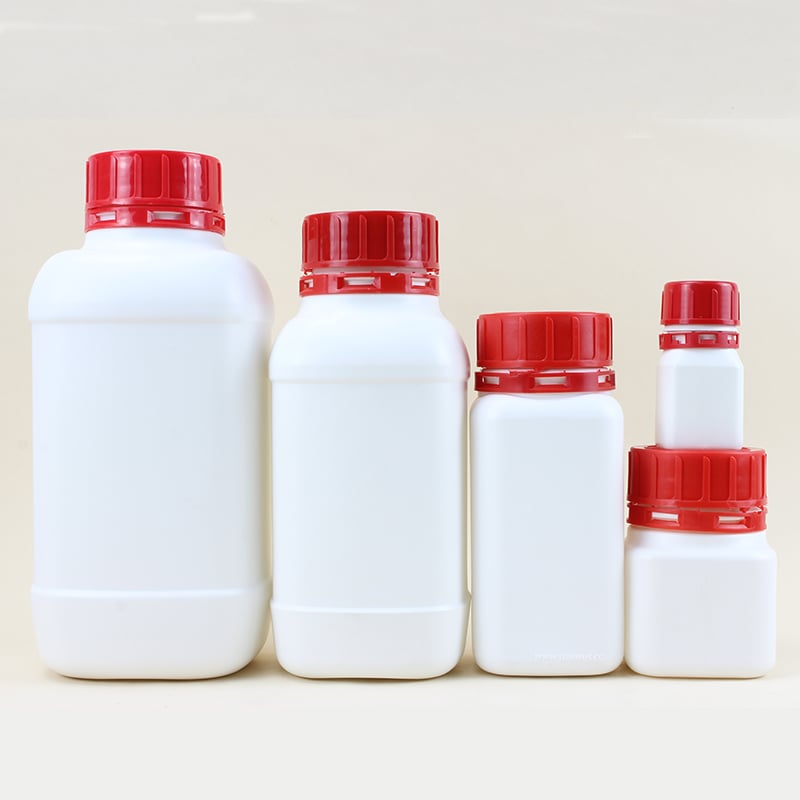
A chemical bottle serves as the first line of defense in hazardous material storage, protecting both the contents and the people handling them. Safety in chemical storage depends on multiple interconnected factors, from material composition to physical design, regulatory compliance, and proper labeling. Understanding these elements is essential for anyone responsible for managing chemicals in industrial, laboratory, or commercial settings. The stakes are high—improper chemical storage can lead to spills, environmental contamination, worker injuries, and regulatory violations that carry substantial financial and legal consequences.
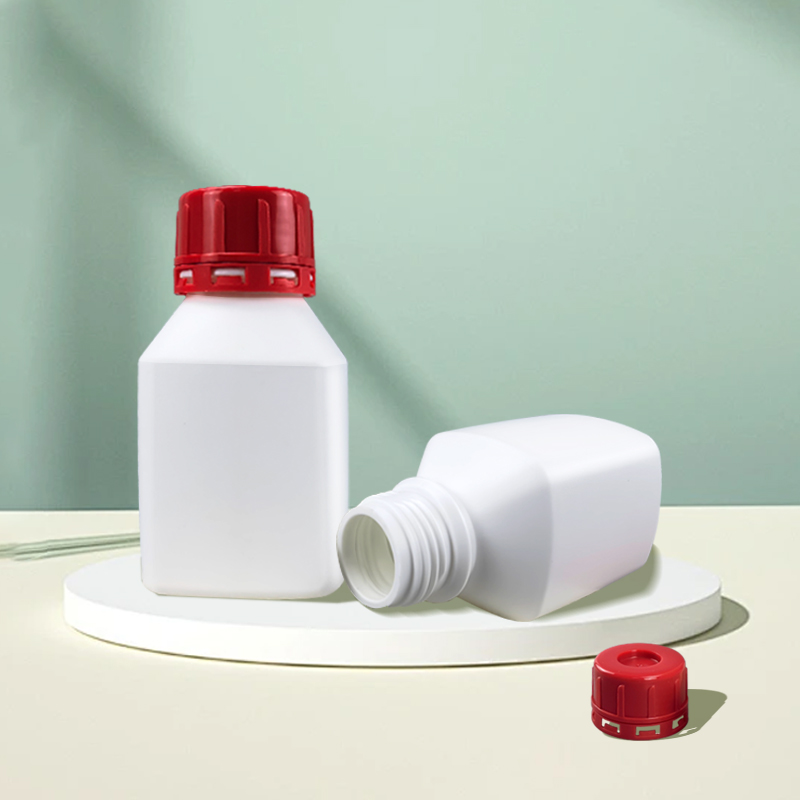
Selecting the right plastic chemical container requires deliberate evaluation of chemical compatibility, environmental conditions, and regulatory requirements. A properly designed chemical packaging solution balances durability, resistance, accessibility, and compliance with industry standards. This guide explores the critical safety attributes that define a trustworthy chemical bottle and explains how to evaluate containers for your specific storage needs.
Material Selection and Chemical Compatibility
Understanding Polymer Resistance
The material of a plastic chemical container determines its ability to resist degradation when exposed to specific chemicals. High-density polyethylene (HDPE) is a widely preferred choice for many applications because it resists a broad spectrum of acids, bases, and solvents while maintaining structural integrity. Polypropylene (PP) offers similar benefits with slightly different chemical resistance profiles, making it suitable for particular compounds. Each polymer has known compatibility limits; selecting the wrong material can result in container degradation, chemical leakage, and contamination. Manufacturers provide detailed compatibility charts that cross-reference specific chemicals with recommended materials, ensuring hazardous material storage meets safety standards.
Temperature and Environmental Factors
Chemical bottles must withstand temperature fluctuations during storage, transport, and use. Extreme heat can cause polymer brittleness or accelerated chemical reactions, while cold temperatures may reduce material flexibility. A reliable chemical packaging solution specifies temperature ranges for safe operation, typically between -20°C and 50°C for most industrial applications. UV exposure degrades many plastics over time, which is why opaque or tinted containers are often preferred for long-term hazardous material storage. Ambient humidity, ventilation conditions, and proximity to heat sources all influence how well a container protects its contents throughout its lifecycle.
Design Features That Enhance Safety
Closure Systems and Seal Integrity
The cap or closure mechanism is critical to preventing evaporation, contamination, and accidental spillage. A child-proof cap or tamper-evident closure adds layers of protection appropriate for different environments and regulatory frameworks. Induction seals or pressure-sensitive liners create an additional barrier that prevents air exchange and maintains contents integrity. A quality plastic chemical container includes a threaded closure that creates a secure, repeatable seal without requiring specialized tools. In hazardous material storage applications, consistent seal performance over multiple open-and-close cycles is essential, as degraded closures are a common source of chemical vapors and spills.
Container Structure and Stability
The physical geometry of a chemical bottle affects both stability during storage and ease of handling. Square or rectangular designs maximize shelf space efficiency and reduce tipping risk compared to narrow or tall containers. Reinforced corners and base sections distribute stress more evenly, reducing the likelihood of cracks or deformation under pressure or stacking loads. Chemical packaging solutions often include graduated volume markings, which aid inventory tracking and help operators identify when contents drop below minimum safety levels. A wider bottom footprint and lower center of gravity make the container more stable in storage racks and on work benches, minimizing the risk of accidents during routine operations.
Regulatory Compliance and Labeling Requirements
Meeting Industry Standards
Safe chemical bottles must comply with standards set by regulatory bodies such as OSHA, EPA, DOT, and international organizations like the UN. These standards specify material certifications, pressure ratings, drop test performance, and chemical compatibility documentation. A reliable plastic chemical container includes documentation confirming compliance with these requirements, providing assurance to end-users that the packaging meets legal obligations. Hazardous material storage regulations often mandate that containers be traceable to their manufacturer and include batch or lot numbers for potential recalls. Organizations should verify that any chemical bottle selected includes the necessary certifications and documentation before adding it to their inventory.
Labeling and Communication
Clear, accurate labeling transforms a chemical bottle into a communication tool that prevents misuse and alerts handlers to potential hazards. The label must include the chemical name, concentration, hazard symbols, first aid instructions, and safe handling guidelines in languages understood by all users. Chemical packaging solutions that support consistent labeling—through flat surfaces, space allocation, and durable label surfaces—enhance workplace safety by ensuring critical information remains visible and legible throughout the container's service life. Proper labeling supports hazardous material storage compliance and reduces the risk of accidental cross-contamination or misidentification that could trigger dangerous reactions.
Practical Evaluation and Selection Criteria
Testing and Verification
Before committing to a chemical bottle for large-scale storage, conduct small-scale compatibility tests with your specific chemicals. Fill a sample container and observe it over several days or weeks, noting any discoloration, odor, leakage, or material degradation. This hands-on approach to hazardous material storage validation catches compatibility issues before they affect your entire inventory. Request independent testing certificates from the manufacturer, confirming that the plastic chemical container has undergone rigorous evaluation under conditions mimicking your actual use environment. Third-party testing adds credibility and reduces liability exposure for organizations relying on these containers.
Supply Chain and Quality Assurance
Consistency matters in chemical packaging solutions; containers from different production batches should meet identical specifications and safety standards. Establish relationships with manufacturers who maintain traceability records, quality control documentation, and responsive customer support. For hazardous material storage, bulk purchasing from a single verified supplier often provides better cost efficiency, supply reliability, and simpler compliance tracking than sourcing from multiple vendors. Regular audits of incoming containers—including seal integrity, dimensional accuracy, and material consistency checks—protect against quality degradation that could compromise safety over time.
FAQ
Can a single chemical bottle be used for multiple different chemicals?
No, reusing a chemical bottle for different substances is unsafe and violates hazardous material storage protocols. Cross-contamination can trigger dangerous chemical reactions, create explosive mixtures, or contaminate the new chemical with residues from the previous contents. Each plastic chemical container should be dedicated to a single chemical or a specific group of compatible compounds. If a chemical bottle must be reused, it must be thoroughly cleaned and verified for compatibility before introducing a new chemical, a process that consumes time and resources and remains risky regardless of precautions taken.
How long can a chemical bottle safely store its contents?
Storage duration depends on the chemical properties, storage temperature, container material, and seal quality. Some chemicals remain stable for years in proper conditions, while others degrade within months due to oxidation or decomposition. The manufacturer or chemical supplier should specify the maximum shelf life and recommend storage conditions to maintain potency and safety. Hazardous material storage practices require periodic inspection of containers, checking for signs of degradation, discoloration, or leakage that signal the contents may no longer be safe or effective. Rotating inventory—using older stock first—and maintaining accurate records help prevent expired or compromised chemicals from remaining in circulation.
What should be done if a chemical bottle is damaged or leaking?
Immediately isolate the damaged plastic chemical container in a designated spill containment area, away from foot traffic and other materials. Notify relevant personnel and follow your organization's emergency spill response procedure, which typically includes notification to safety, environmental, and compliance teams. Never attempt to repair a damaged chemical bottle; instead, transfer the contents to an identical, undamaged container if safe to do so, or safely dispose of the chemical according to regulatory guidelines. For hazardous material storage operations, maintain detailed records of all spills, including the cause, volume lost, remediation steps, and corrective actions taken to prevent recurrence. This documentation supports regulatory compliance and identifies systemic container quality issues that require supplier action.