 EN
EN
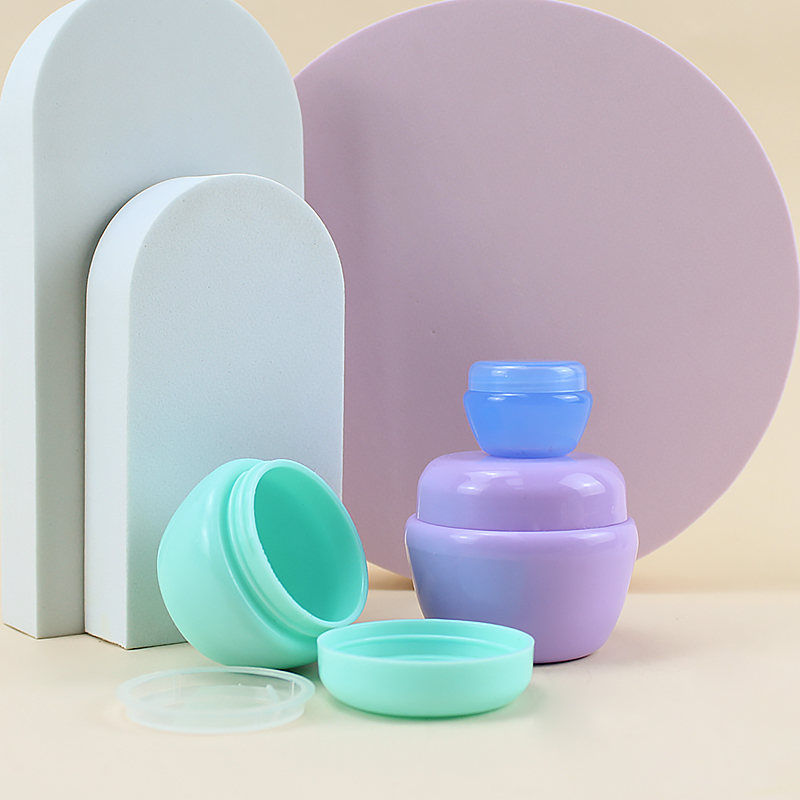
Selecting the right material for a cream jar is one of the most critical decisions in cosmetic and skincare product development. The choice directly impacts product preservation, brand perception, sustainability, and shelf life. A high-quality cream jar protects delicate formulations from oxidation, light exposure, and contamination while maintaining the professional appearance that consumers expect from premium skincare brands. Understanding which materials deliver the best performance requires knowledge of how different substrates interact with cosmetic formulations and end-user preferences.
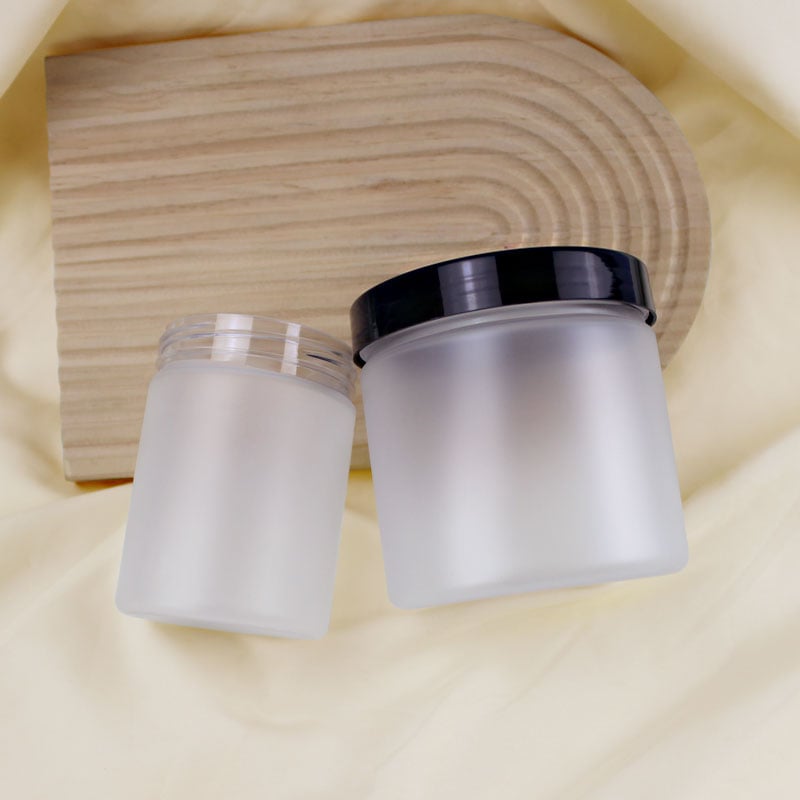
The material you choose for your cosmetic container fundamentally shapes how your product performs in the market. Skincare packaging must balance aesthetic appeal, functional protection, and cost efficiency while meeting regulatory and consumer safety standards. Whether you are launching a luxury anti-aging cream, a lightweight hydrating gel, or a nourishing body butter, the cream jar material determines durability, user experience, and long-term product viability.
Glass Jars: Premium Protection and Aesthetic Appeal
Why Glass Remains a Gold Standard
Glass has long been the preferred choice for high-end skincare brands because it offers unmatched chemical resistance and complete impermeability to oxygen and moisture. When stored in a glass jar storage solution, cosmetic formulations remain stable throughout their shelf life without degradation. Glass does not leach chemicals into creams, making it ideal for sensitive formulations and natural skincare lines. The visual transparency of glass also allows consumers to see product quality and consistency, building consumer confidence at the point of purchase.
Performance Characteristics of Glass Containers
Glass jars provide superior barrier protection against environmental factors that compromise product integrity. They resist temperature fluctuations, UV light exposure, and humidity without warping or discoloring. The inert nature of glass means zero risk of chemical interaction with active skincare ingredients, whether the formula contains acids, retinoids, or peptides. However, glass weighs more than alternative materials, increasing shipping costs and making products heavier for consumers to transport. Additionally, glass is fragile and requires protective packaging during distribution, which adds expense and complexity to supply chain management.
Plastic Containers: Lightweight Durability and Cost Efficiency
Understanding PET and HDPE Plastic Options
Plastic materials such as PET and HDPE have revolutionized the cosmetic container market by offering lightweight, durable, and cost-effective alternatives to glass. PET plastic provides excellent barrier properties for most skincare formulations while remaining affordable and recyclable. HDPE plastic delivers robust durability and is commonly used for heavier-duty cosmetic applications. Both materials resist breaking during shipping and handling, reducing product loss and customer dissatisfaction from damaged goods. The affordability of plastic allows brands to invest more resources into formula development and marketing rather than packaging expenses.
Practical Advantages in Skincare Packaging
Plastic cream jars are significantly lighter than glass, reducing transportation costs and appeal to eco-conscious consumers who appreciate lower shipping emissions. Modern plastic formulations meet strict FDA and international cosmetic regulations, ensuring product safety and consumer protection. Frosted or matte finishes on plastic containers create a premium appearance that competes effectively with glass alternatives while maintaining affordability. Plastic also offers design flexibility, allowing brands to create custom shapes, sizes, and closure systems that differentiate products on retail shelves. For skincare packaging aimed at mass-market distribution, plastic delivers the durability consumers need without the fragility risks of glass.
Comparative Material Selection for Different Formulations
Matching Materials to Product Type and Market Segment
Luxury anti-aging creams and prestige skincare lines typically favor glass jars because the material communicates premium quality and justifies higher price points. Lightweight hydrating creams, body butters, and sun care products perform well in quality plastic containers that balance protection with affordability. Professional-grade clinical skincare often uses glass for maximum stability of potent active ingredients, while mass-market moisturizers benefit from plastic's cost efficiency and recyclability. Water-based formulations require excellent moisture barriers, making glass jar storage or high-grade PET plastic essential for preventing premature degradation.
Cost-Benefit Analysis for Business Decision-Making
The decision between glass and plastic materials requires evaluating total cost of ownership, not just unit price. Glass jars attract premium-positioning brands willing to absorb higher costs for perceived quality and environmental stability. Plastic containers enable competitive pricing strategies in mass-market segments while maintaining functional product protection. Consider your target consumer's willingness to pay, your distribution channels, shipping distances, and storage conditions when selecting your cosmetic container material. Brands serving luxury markets may justify glass investment, while those targeting volume sales and sustainability-focused consumers often achieve better margins with optimized plastic solutions.
FAQ
What is the most common material for a cream jar in the cosmetic industry?
Glass and high-quality PET plastic are equally common, with selection depending on market positioning. Luxury skincare brands predominantly use glass jars for aesthetic and stability reasons, while mass-market cosmetic brands rely on PET plastic for cost efficiency and recyclability. Each material maintains a significant market share because both deliver excellent product protection when properly formulated for the specific skincare packaging requirements of their target segments.
Can plastic jars protect skincare products as effectively as glass containers?
Yes, modern PET and HDPE plastic formulations provide comparable barrier protection to glass for most skincare applications. Advanced plastic compounds resist oxygen permeation, moisture ingress, and chemical interaction with active ingredients. The primary advantage of glass remains its absolute impermeability and inert nature, which some luxury brands value for extended shelf stability and brand positioning. For practical commercial use, quality plastic containers meet all regulatory standards and deliver reliable product protection at significantly lower cost.
How do I choose between glass and plastic for my cosmetic container selection?
Evaluate your product formula, target market segment, price positioning, distribution channels, and sustainability commitments. Luxury skincare and prestige positioning favor glass jar storage for perceived quality. Mass-market products, eco-conscious brands, and budget-focused formulations benefit from plastic's affordability and recyclability. Consider regulatory compliance, shipping costs, storage conditions, and consumer handling expectations when making your final cosmetic container material decision for your brand.