
 EN
EN
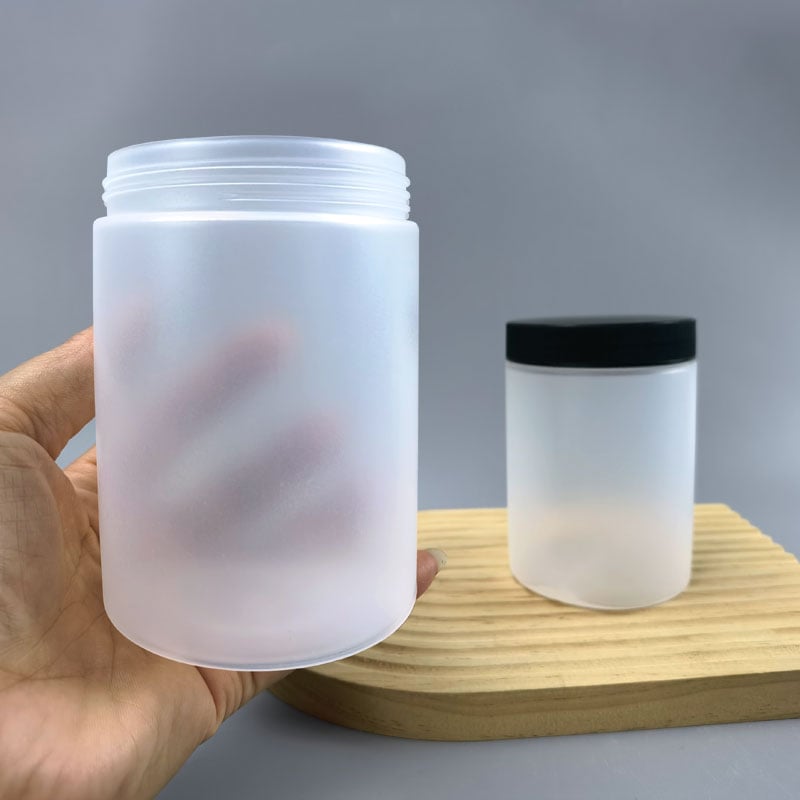
Food safety is a critical concern when selecting storage solutions for your kitchen or food business. Many consumers and professionals rely on plastic jar options for their convenience and durability, but not all plastic containers are created equal when it comes to safely storing food. Understanding which materials and properties make a plastic jar food-safe requires knowledge of material composition, regulatory standards, and manufacturing practices that protect your food from contamination.
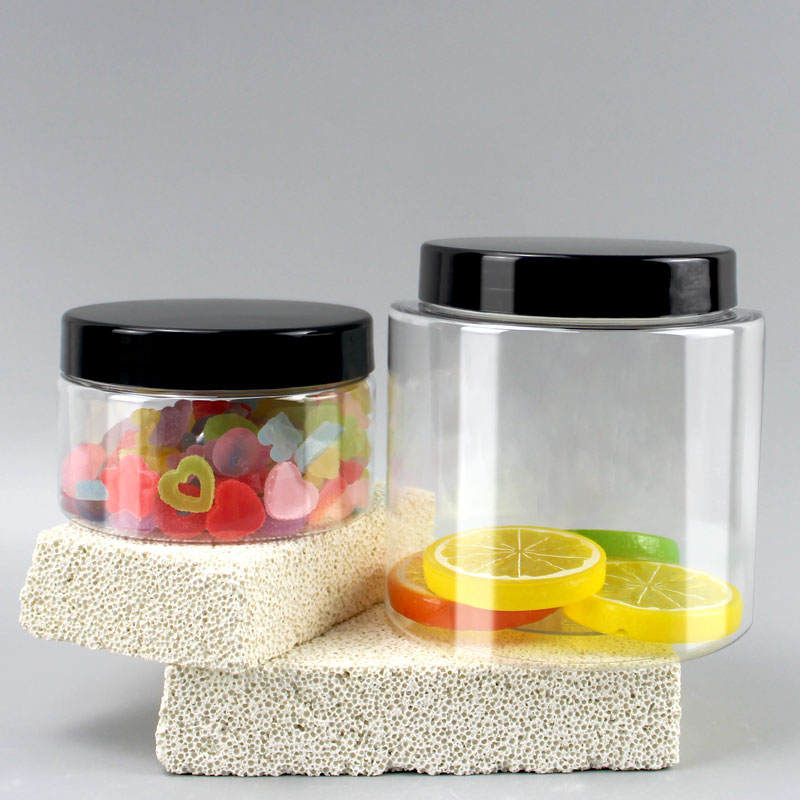
The material science behind food storage jars involves careful consideration of chemical safety, temperature stability, and compatibility with different food types. Clear plastic containers used for food storage must meet strict regulatory requirements established by organizations like the FDA and European food safety authorities. Reusable plastic packaging has become increasingly popular as consumers seek sustainable alternatives to single-use containers, making it essential to understand which types actually protect food quality and consumer health.
Key Material Types for Food-Safe Plastic Jars
PET Plastic and Its Food Safety Properties
Polyethylene terephthalate, commonly known as PET, is one of the most widely used materials for food storage jars and clear plastic containers. This material is designated as FDA-approved for direct food contact and has been used successfully in the food industry for decades. PET plastic jars are lightweight, transparent, and resistant to breaking, making them ideal for both home and commercial storage applications.
The safety of PET plastic containers stems from their chemical stability at room temperature and their resistance to leaching harmful substances into food products. PET does not readily release chemicals when in contact with dry goods, oils, or shelf-stable foods, which is why it dominates the market for reusable plastic packaging solutions. Clear plastic containers made from PET can withstand typical kitchen temperatures and do not degrade when exposed to sunlight for reasonable periods.
HDPE and LDPE Plastics for Food Storage
High-density polyethylene and low-density polyethylene are additional plastic types approved for food storage jars. HDPE is particularly durable and resistant to chemical degradation, making it suitable for storing both dry goods and acidic foods. LDPE offers greater flexibility than HDPE and is often used for bottle liners or closure components in food storage jars.
These polyethylene variants provide food storage jars with excellent barrier properties against moisture and oxygen, which extends the shelf life of stored contents. The opaque or translucent appearance of HDPE and LDPE containers differs from clear plastic containers, but both materials offer reliable food safety when manufactured to approved standards. Reusable plastic packaging made from these materials can safely store grains, flour, sugar, and other dry ingredients without risk of contamination.
Regulatory Standards and Certification Markers
Understanding FDA and International Food Contact Approvals
Food-safe plastic jar materials must comply with FDA Code of Federal Regulations Title 21, which specifies which plastics are approved for direct food contact. This regulatory framework ensures that clear plastic containers do not leach toxic substances or alter food flavor and quality during storage. Manufacturers of food storage jars must test their products according to these standards and maintain documentation of compliance.
International standards, including those from the European Food Safety Authority and other regulatory bodies, align with FDA requirements but may include additional restrictions on certain chemical additives. When selecting reusable plastic packaging for your home or business, verify that the product carries appropriate certification marks or documentation confirming compliance with these food safety standards. Many quality plastic jar manufacturers display NSF certification or similar third-party validation to assure consumers of their food-safety credentials.
BPA-Free and Additive Considerations
Bisphenol A, commonly called BPA, was a standard additive in polycarbonate plastics and some food storage jars for many years. Scientific research raised concerns about BPA migration into food, particularly at elevated temperatures, leading many manufacturers to transition toward BPA-free formulations. Most modern food storage jars and clear plastic containers are now produced without BPA to address consumer safety concerns and meet evolving regulatory expectations.
Additional additives used in plastic jar manufacturing, such as plasticizers and stabilizers, must also meet food-safety standards to prevent migration into stored foods. Reputable manufacturers specify which additives are incorporated and confirm that they do not exceed acceptable migration limits established by regulatory agencies. When evaluating reusable plastic packaging options, look for products that explicitly disclose their additive composition and certifications.
Practical Factors Affecting Food Safety in Plastic Jars
Storage Conditions and Temperature Stability
The food safety of a plastic jar depends not only on material composition but also on how and where you store it. Clear plastic containers should be kept away from direct sunlight and extreme heat, as elevated temperatures can increase the rate of any potential chemical migration from the plastic into food. Dry goods stored in plastic jar containers remain stable when kept in cool, dark cupboards or pantries within normal household temperature ranges.
Different types of reusable plastic packaging may have varying temperature limitations. While most food storage jars are safe at room temperature, some may begin to degrade if exposed to temperatures above 140 degrees Fahrenheit or below freezing for extended periods. Always check manufacturer guidelines for the specific temperature range appropriate for your plastic jar to maintain optimal food safety and container integrity.
Compatibility with Food Types and Contents
Not all food types interact equally with plastic jar materials, and understanding these interactions enhances food safety. Dry goods such as grains, pasta, and spices are ideal for storage in clear plastic containers, as they do not cause any chemical interaction with the plastic. However, fatty or oily foods can potentially increase migration rates from certain plastics, making material selection particularly important for long-term storage of oils or nut butters.
Acidic foods and beverages present another consideration when choosing food storage jars. While PET and other approved plastics handle most foods safely, extremely acidic or high-alcohol products may require careful evaluation before storage in plastic containers. For most common pantry items and prepared foods, properly manufactured reusable plastic packaging provides reliable food safety and prevents contamination while maintaining food quality and shelf life.
FAQ
Are all clear plastic containers safe for food storage?
Not all clear plastic containers are food-safe. Only plastics specifically approved for food contact by regulatory agencies such as the FDA should be used for storing food. Always check for FDA food-contact approval markings and certifications on packaging. Avoid reusable plastic packaging or food storage jars that lack proper certifications or documentation of food-safety compliance.
How can I verify if a plastic jar is truly food-safe?
Look for FDA approval markings, NSF certification, or explicit statements on the product packaging confirming food-contact compliance. The material number, typically shown in a recycling triangle, should correspond to approved food-safe plastics like PET, HDPE, or LDPE. Reputable manufacturers of food storage jars provide detailed material specifications and safety documentation upon request, demonstrating their commitment to producing safe reusable plastic packaging.
Can I reuse single-use plastic containers for food storage?
Single-use plastic containers designed for one-time use are not recommended for repeated food storage, as they may degrade with washing and reuse, potentially compromising food safety. Purpose-built reusable plastic packaging and food storage jars are engineered for multiple uses and maintain their food-safety properties through repeated cycles. Investing in durable plastic jar products specifically designed for reuse ensures better food protection and long-term cost efficiency compared to repurposing single-use clear plastic containers.