 EN
EN
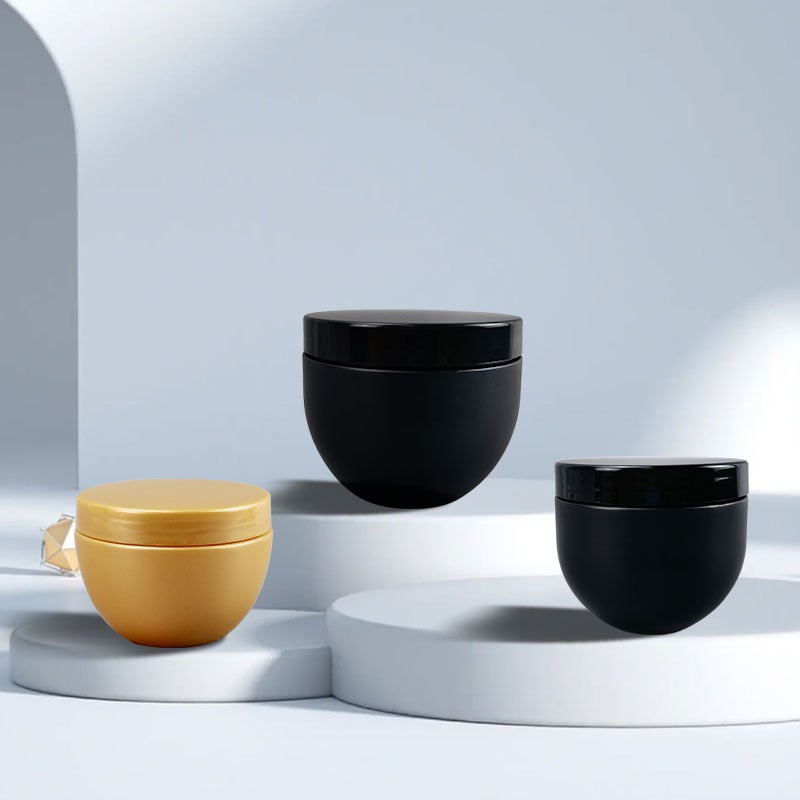
Proper storage of skincare products in a cream jar is essential for maintaining product quality, extending shelf life, and ensuring customer satisfaction. A cream jar serves as more than just a container; it functions as a protective barrier against environmental contaminants, UV exposure, and oxidation that can degrade active ingredients and compromise product efficacy. Whether you are a cosmetic manufacturer, distributor, or retail business, understanding how to store products in a cream jar correctly can significantly impact your bottom line and brand reputation.
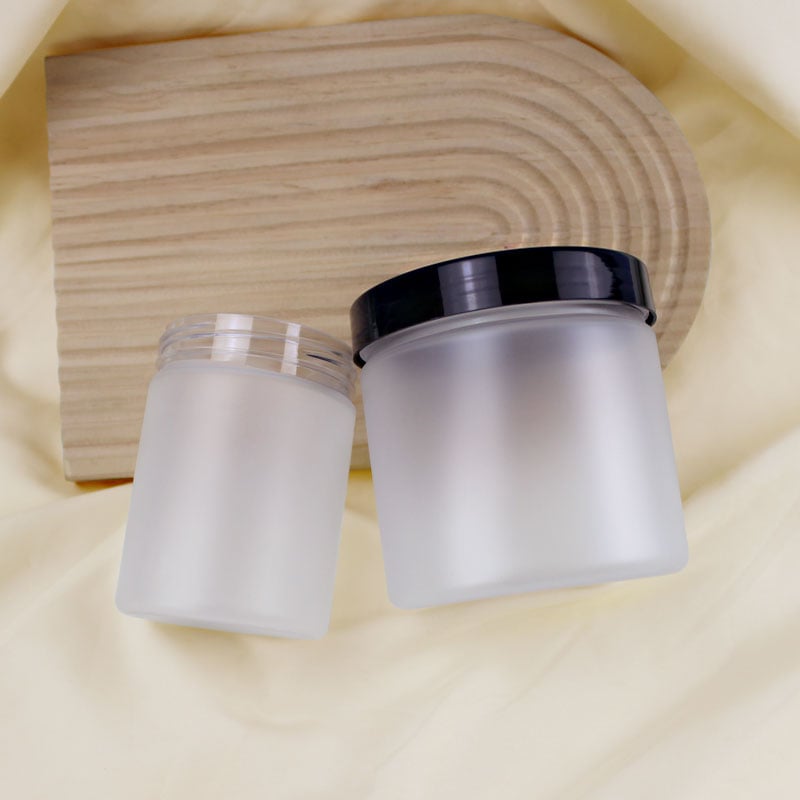
The choice of cosmetic container and skincare packaging directly influences how well your products remain stable, potent, and marketable. A quality cream jar not only protects contents from degradation but also communicates brand value and professionalism. This guide explores practical storage strategies, material considerations, and best practices that ensure your products maintain optimal performance from manufacturing through end-use.
Selecting the Right Cosmetic Container Material
Understanding Glass and Plastic Options
Glass jars offer superior protection against light, oxygen, and moisture infiltration, making them ideal for premium skincare products containing sensitive active ingredients. Glass provides an inert barrier that does not interact chemically with formulations, ensuring product stability over extended periods. Conversely, plastic cosmetic containers offer lightweight, shatter-resistant alternatives that appeal to mass-market consumers and improve shipping economics. The material you choose for your skincare packaging directly determines storage capability and shelf stability. Frosted or opaque finishes on either glass or plastic reduce UV penetration, which is critical for protecting light-sensitive serums, retinoids, and vitamin C formulations.
Evaluating Lid and Seal Integrity
The lid design on your cream jar significantly impacts how well the product resists oxidation and contamination during storage. Airtight screw caps with silicone seals create a moisture barrier that prevents evaporation and microbial growth inside the container. Poor seal quality leads to product separation, texture degradation, and customer complaints. When selecting a cosmetic container for skincare packaging, verify that the lid mechanism creates a consistent seal and remains airtight even after repeated opening and closing. Temperature fluctuations during storage can cause pressure variations inside the jar, and a defective seal allows air exchange that accelerates product breakdown.
Environmental Storage Conditions and Best Practices
Temperature and Humidity Management
Cream products stored in a cream jar maintain optimal quality when kept at temperatures between 60°F and 75°F, away from direct sunlight and heat sources. Elevated temperatures accelerate chemical reactions, thicken emulsions, and can cause separation in multi-phase formulations. High humidity environments promote mold growth and degradation of water-based ingredients, while excessive dryness can cause creams to harden or crack. Your skincare packaging should be stored in climate-controlled warehouses that maintain stable temperature and humidity levels. Avoid placing jars near radiators, air conditioning vents, or windows where fluctuating conditions cause product instability and reduce shelf life.
Light Protection and Storage Location
UV exposure degrades active ingredients, discolors formulations, and reduces product efficacy even when stored in a cosmetic container with frosted glass or opaque plastic. Store cream jars in dark, enclosed cabinets or opaque storage boxes rather than open shelving or transparent display units during warehouse holding periods. If retail display requires product visibility, rotate stock frequently to minimize light exposure duration. Keep jars away from chemical cleaners, perfumes, and volatile substances that can interact with container materials or permeate through imperfect seals. Vertical stacking of jars should be limited to prevent pressure damage to lower containers that can compromise seal integrity over time.
Organization and Inventory Management Strategies
First-In-First-Out System Implementation
Implementing a first-in-first-out inventory rotation system ensures that older products are dispensed before newer stock, minimizing the risk of expired cream jars reaching consumers. Label each batch with manufacturing and expiration dates, and organize storage shelves so older inventory is accessed first. This practice is especially critical for skincare packaging because active ingredients have defined stability windows, and even properly stored products degrade gradually over time. Digital tracking systems can automate rotation alerts and prevent stockouts while maintaining product freshness. Train warehouse staff to follow consistent labeling and retrieval protocols to eliminate manual errors that could expose old inventory to extended storage.
Separation and Segregation of Product Types
Different cream formulations have varying storage requirements based on their ingredient composition and stability profile. Water-rich emulsions, oil-based creams, and silicone-based formulations should be stored in separate zones to prevent cross-contamination and optimize environmental conditions for each category. A cream jar housing a vitamin-rich day cream may tolerate slightly different humidity levels than a heavy-duty night cream with waxes and butters. By organizing your cosmetic container inventory by product type, you create specific storage zones that match the needs of each skincare packaging variety. This approach reduces the likelihood of environmental conditions degrading sensitive formulations and helps maintain consistent product performance across your entire line.
FAQ
What is the ideal temperature range for storing cream jars containing skincare products?
The optimal temperature range for storing skincare packaging and cream jars is between 60°F and 75°F, with minimal fluctuations. Consistent cool temperatures slow down chemical degradation, prevent emulsion separation, and help preserve active ingredient potency. Avoid temperatures above 80°F or below 50°F, as extreme conditions accelerate product breakdown and can permanently damage formulation integrity.
How does a cosmetic container material choice affect product storage longevity?
Glass cosmetic containers provide superior UV protection and create a completely inert barrier that prevents chemical interactions with product ingredients, making them ideal for long-term storage of premium skincare formulations. Plastic cosmetic containers are lighter and more cost-effective but may allow minor oxygen penetration over extended periods. Your choice of material directly impacts shelf stability, with glass typically supporting longer storage windows for sensitive active ingredients compared to plastic alternatives.
Should cream jars be stored upright or on their side?
Cream jars should always be stored upright to maintain optimal seal integrity and prevent leakage or separation. Horizontal storage can place pressure on lid seals, potentially compromising the airtight barrier that protects your skincare packaging from oxidation and contamination. Upright positioning also facilitates organized inventory management and allows you to easily read labels for batch tracking and expiration date monitoring during rotation cycles.