
 EN
EN
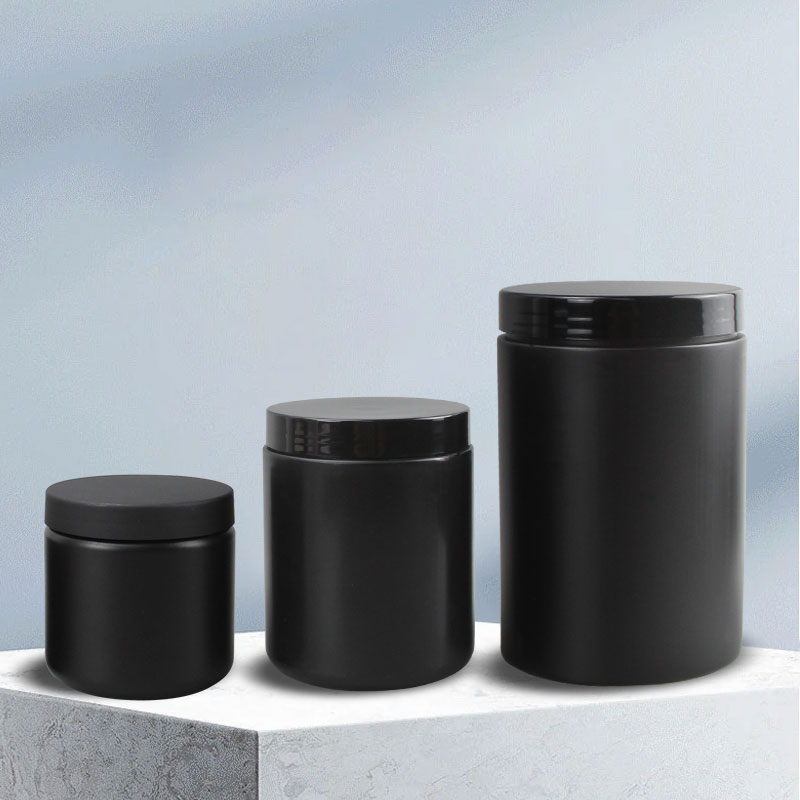
Selecting the right plastic jar size is a critical decision for businesses and consumers alike. The correct dimensions ensure product protection, cost efficiency, and customer satisfaction. Whether you are storing food, cosmetics, pharmaceuticals, or industrial materials, the volume and dimensions of your clear plastic containers directly impact shelf appeal, transportation costs, and product preservation. Understanding the factors that determine the ideal size prevents waste, reduces expenses, and optimizes inventory management across supply chains.
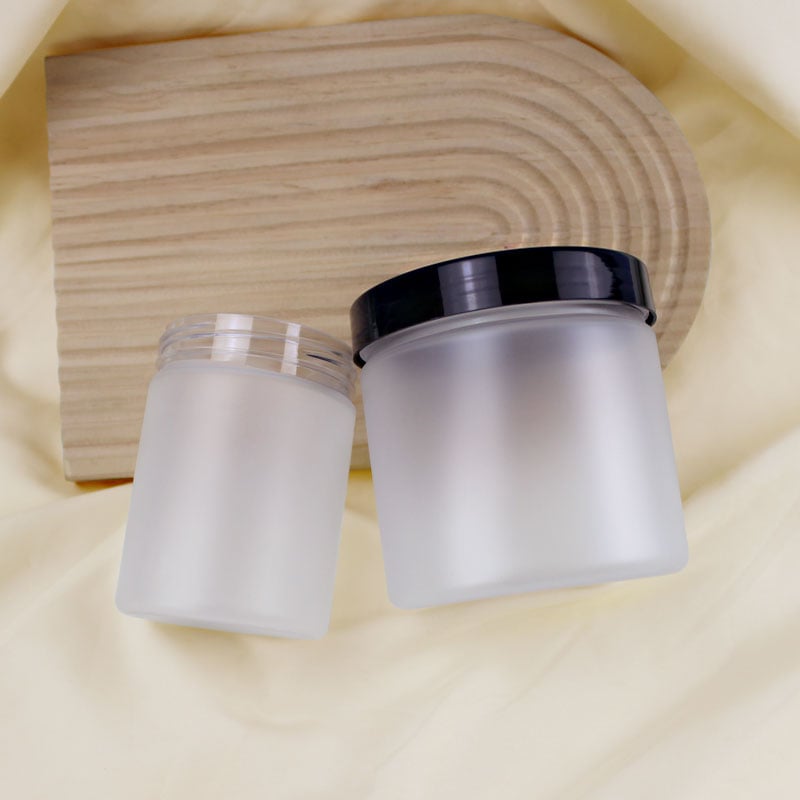
The process of choosing an appropriate container size requires balancing multiple variables including product quantity, shelf space constraints, shipping dimensions, and end-user convenience. Food storage jars come in numerous standard volumes, from small 50ml containers for spices to large 1000ml jars for bulk pantry staples. Similarly, reusable plastic packaging in cosmetic and skincare industries demands sizes that align with application frequency, dosage control, and aesthetic presentation. This guide walks through the key decision criteria that ensure your selection delivers both functional and financial benefits.
Understanding Your Product Volume Requirements
Calculate Your Base Volume Needs
The first step in determining the right plastic jar size involves calculating exactly how much product you need to store or package. Product volume directly influences the container dimensions required. For food storage jars, consider whether you are packaging individual servings, family portions, or commercial quantities. A spice retailer needs different clear plastic containers than a bulk pasta supplier. Measure your product in milliliters or liters and add a 10-15% safety margin to prevent overfilling, which compromises seal integrity and product quality.
Account for Product Density and Weight Distribution
Different products occupy varying space relative to their mass. Lightweight items like dried herbs require less physical volume than dense materials such as creams or pastes. When selecting reusable plastic packaging for skincare formulations, consider that viscous products settle differently than liquids. A 250ml plastic jar might be ideal for thick body cream but insufficient for lighter serums. Conversely, overly large containers for dense products create excessive headspace, increasing air exposure and reducing shelf life.
Evaluating Market Standards and Consumer Expectations
Research Industry-Specific Sizing Conventions
Different industries have established standard container volumes that consumers expect. Food storage jars typically follow recognized measurements: 250ml, 500ml, 750ml, and 1000ml are common retail sizes. In the cosmetics sector, 50ml, 100ml, and 200ml containers dominate skincare and beauty product markets. Pharmaceutical and supplement sectors employ precise dosing containers, often 60ml or 100ml for liquid preparations. Understanding these conventions ensures your reusable plastic packaging aligns with market expectations, reducing customer confusion and returns while improving perceived value.
Balance Between Perceived Value and Functionality
Container size significantly influences how consumers perceive product value and quality. A clear plastic containers selection that appears too small may suggest inadequate quantity, while oversized packaging looks wasteful. Research your target demographic's preferences through market data and competitor analysis. Premium skincare brands often use smaller, elegant containers to convey exclusivity, whereas bulk food storage jars emphasize generous capacity. The right plastic jar size tells a story about your brand positioning while delivering genuine functional benefits that customers appreciate upon use.
Optimizing for Logistics and Storage Efficiency
Calculate Shipping and Warehouse Space Impact
Container dimensions directly affect transportation costs, warehouse footprint, and shelf display efficiency. A plastic jar measuring 8cm in diameter versus 10cm may seem minor, but this difference impacts how many units fit in standard shipping pallets and retail shelves. Food storage jars packed for distribution must fit common case configurations without wasting space or requiring custom packaging. Reusable plastic packaging that maximizes pallet density reduces per-unit shipping expenses. Calculate the cubic volume of your proposed container relative to standard pallet dimensions to identify the most cost-effective size that still meets your volume requirements.
Ensure Stacking Stability and Retailer Compatibility
Retail displays and warehouse shelving impose physical constraints on container dimensions. Clear plastic containers must stack securely without toppling or crushing products underneath. A plastic jar too tall or narrowly weighted creates liability and returns. Most retail environments follow standard shelf widths and heights; ensure your selected size accommodates these constraints. Communicate with retailers early in your selection process to confirm that your food storage jars dimensions align with their display infrastructure. This prevents costly redesigns after production launches and ensures smooth market entry.
Practical Selection Framework
Document Your Specific Requirements
Create a detailed specification sheet listing your product volume, target demographic, industry standards, shipping requirements, and shelf display needs. This document becomes your reference when evaluating potential reusable plastic packaging sizes. Include regulatory requirements such as minimum headspace for pharmaceutical products or food safety labeling area for storage jars. Test multiple sizes with representative products before committing to large production runs. Clear plastic containers should undergo actual shelf-life testing in your proposed size to confirm seal performance and product integrity over your desired storage period.
Leverage Professional Guidance and Testing
Packaging consultants and manufacturers possess extensive databases of successful container sizing across industries. They can recommend optimal plastic jar dimensions based on your specific application, product characteristics, and market positioning. Request sample containers before finalizing orders. Fill test samples with your actual product, observe how it performs in the proposed size, and gather feedback from intended end-users. This validation step prevents expensive mistakes and confirms that your chosen container size delivers the functional and aesthetic results your market expects.
FAQ
What plastic jar size is ideal for food storage jars?
The ideal food storage jar size depends on your specific needs. Standard sizes include 250ml for individual portions or specialty items, 500ml for common pantry staples, and 1000ml for bulk storage. Clear plastic containers in these volumes accommodate typical kitchen shelving and provide convenient portioning without excessive headspace that degrades product freshness.
How do I determine if clear plastic containers are too large for my product?
If headspace exceeds 15-20% of the reusable plastic packaging volume, your container is likely too large. Excessive air exposure accelerates oxidation and spoilage in foods, cosmetics, and sensitive formulations. A plastic jar where product fills less than 80% of capacity indicates you should select a smaller size to maintain quality and reduce material waste.
Are there standard sizing guidelines for reusable plastic packaging in cosmetics?
Cosmetics and skincare brands typically use 50ml, 100ml, or 200ml containers depending on application frequency and product type. Serums and essences often use 30ml or 50ml sizes, while creams and lotions commonly come in 100ml or 200ml. These clear plastic containers sizes align with consumer expectations in the beauty industry and optimize for shelf display in retail environments.