 EN
EN
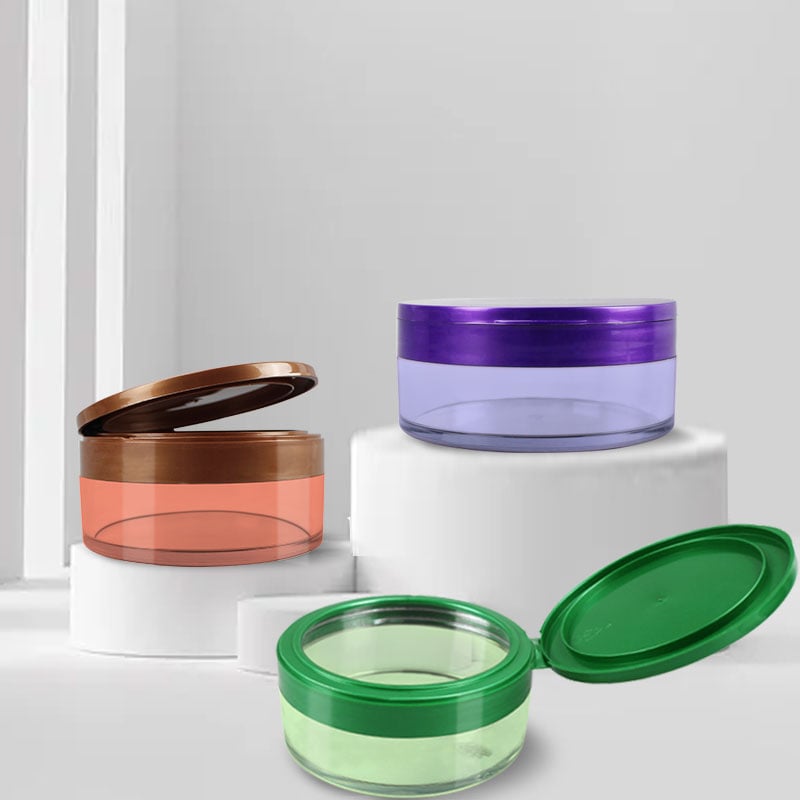
Purchasing a cosmetic jar in bulk requires careful evaluation of multiple factors that directly impact your brand's success, customer satisfaction, and operational costs. Whether you're launching a new skincare line or scaling an existing beauty brand, the decisions you make about packaging will influence everything from product quality and shelf appeal to shipping efficiency and environmental responsibility. Understanding what to prioritize when sourcing cosmetic jars ensures you secure reliable, cost-effective solutions that align with your business goals and customer expectations.
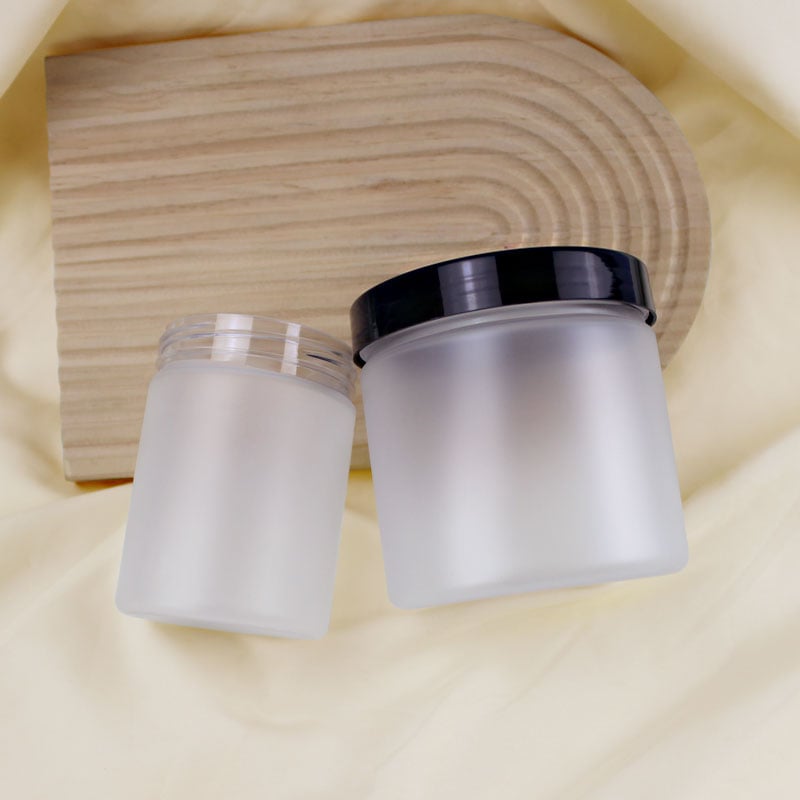
Bulk purchasing offers significant advantages, including lower per-unit costs, consistent supply for your production schedule, and the ability to maintain brand consistency across multiple product lines. However, navigating the cosmetic jar market requires knowledge of material options, regulatory compliance, design functionality, and supplier capabilities. This guide walks you through the critical factors that should influence your bulk purchasing decisions, helping you choose packaging that strengthens your brand identity while delivering exceptional value and performance.
Material Selection and Quality Standards
Evaluating Container Material Options
The material composition of your cosmetic jar fundamentally affects product preservation, brand perception, and environmental impact. Glass cosmetic containers offer premium aesthetics, superior barrier protection, and complete chemical compatibility with virtually all skincare formulations. They communicate quality and luxury but carry higher costs and shipping weight. Alternatively, PET and polypropylene plastic options reduce expenses and weight while maintaining functionality, though they may require internal liners for sensitive formulations. Each material choice directly influences your product's stability, shelf life, and market positioning, making material evaluation a foundational purchasing decision that affects everything downstream.
Durability and Safety Compliance
When buying a cosmetic jar in bulk, verify that containers meet relevant safety standards including FDA compliance, CE marking for European markets, and any region-specific cosmetic packaging regulations. Glass cosmetic containers must be evaluated for thickness, thermal resistance, and edge finishing to prevent breakage during shipping and use. Request samples from multiple suppliers and conduct drop tests, thermal cycling, and chemical compatibility assessments before committing to large orders. Substandard materials lead to product loss, customer returns, regulatory violations, and brand damage, making thorough vetting essential regardless of price pressure.
Capacity and Functional Design Considerations
Volume Sizing and Product Application
Selecting the right capacity for your cosmetic jar requires matching container volume to product consistency, application method, and customer usage patterns. Lightweight creams may suit larger volumes like 250ml or 500ml, while rich balms or concentrates typically use smaller 30ml to 100ml containers. Consider dispensing method when choosing between standard screw-cap jars and airless pump bottles, which protect sensitive formulations from oxidation and contamination. Airless pump bottles are ideal for serums and lightweight gels, while traditional jars work well for thicker creams and masks. Volume decisions impact shipping costs, product positioning, and customer perception, so align capacity with your specific formulation and market segment.
Closure Systems and User Experience
The closure mechanism you select influences customer satisfaction, product safety, and perceived value. Standard threaded caps are economical and familiar but require quality liners to prevent leakage. Child-resistant closures add safety but may complicate user experience for adult consumers. Airless pump bottles eliminate air contact, extending shelf life and reducing preservative requirements, though they cost more and limit product visibility. When buying cosmetic jars in bulk, evaluate closure compatibility with your production equipment, filling speeds, and quality control processes. Test closures extensively across temperature ranges and shipping conditions to ensure they perform consistently in real-world scenarios.
Cost Analysis and Supplier Reliability
Unit Pricing and Hidden Expenses
Bulk cosmetic jar pricing involves more than the per-unit container cost; factor in tooling fees, minimum order quantities, shipping and logistics, labeling integration, and quality inspection expenses. Transparent suppliers break down pricing clearly and explain all cost components upfront. Sustainable packaging solutions often carry premiums but may reduce environmental compliance costs and appeal to conscious consumers willing to pay more. Compare total landed costs across suppliers, not just per-jar quotes, to identify genuine savings opportunities. Build contingency into your budget for quality issues, unexpected replacements, or supply disruptions that could require emergency sourcing.
Supplier Track Record and Production Capacity
Selecting a reliable supplier is as critical as choosing the container itself. Evaluate supplier certifications, production capacity, quality control processes, and ability to handle your growth trajectory. Verify they maintain adequate inventory to support consistent orders without inflating prices or compromising delivery timelines. Request references from existing customers, specifically regarding order consistency, communication responsiveness, and handling of quality issues. Suppliers offering flexibility on customization, color options, and branding integration provide competitive advantages as your product line expands. Establish clear communication channels and service level agreements before placing large orders to protect your supply chain continuity.
Sustainability and Brand Alignment
Environmental Responsibility and Regulatory Trends
Sustainable packaging solutions increasingly influence consumer purchasing decisions and regulatory requirements in global markets. Glass cosmetic containers are infinitely recyclable and remain chemically inert, aligning with circular economy principles and premium brand positioning. Recycled PET options reduce environmental footprint while maintaining cost efficiency, though availability varies by region. Evaluate supplier commitments to reducing plastic waste, using renewable energy, and providing post-consumer recycled materials. Track upcoming regulations like single-use plastic bans and extended producer responsibility (EPR) schemes that may affect your packaging choices and compliance obligations in target markets.
Brand Values and Customer Expectations
Your packaging choices communicate brand values and influence customer perception of quality and environmental consciousness. Premium beauty brands leverage airless pump bottles and glass cosmetic containers to reinforce luxury positioning and product efficacy claims. Sustainability-focused brands highlight recycled materials, minimalist design, and refillable systems to align packaging with customer values. When sourcing cosmetic jar solutions in bulk, ensure container aesthetics, materials, and branding options authentically reflect your brand identity and resonate with target demographics. Misaligned packaging undermines marketing efforts and customer loyalty, making this decision strategically important beyond purely functional considerations.
FAQ
What is the typical minimum order quantity when purchasing cosmetic jars in bulk?
Minimum order quantities vary significantly by supplier and container type, typically ranging from 5,000 to 50,000 units depending on customization complexity and material. Standard off-the-shelf cosmetic jar designs with established tooling require lower minimums, while custom shapes, colors, or branding integration demand higher commitments. Smaller suppliers may accept 1,000-unit minimums, while established manufacturers often require larger volumes to justify production setup costs. Discuss minimum order flexibility early in supplier conversations, as some companies offer tiered pricing that rewards larger commitments or accommodate seasonal volume fluctuations.
How do glass cosmetic containers compare to plastic alternatives for bulk purchasing?
Glass cosmetic containers cost more per unit and increase shipping weight but offer superior product protection, premium brand perception, and infinite recyclability. Plastic options including PET and polypropylene are significantly cheaper, lighter for shipping, and adequate for most formulations when properly selected. The choice depends on your target market, product positioning, profitability margins, and environmental commitments. Luxury and natural beauty brands typically justify glass costs through price premiums, while mass-market brands leverage plastic affordability for competitive pricing. Consider your specific formulation's chemical compatibility, shelf-life requirements, and customer expectations when deciding between material options.
What certifications and compliance factors should I verify before ordering cosmetic jar supplies?
Verify FDA compliance for U.S. markets, CE marking for European distribution, and any region-specific cosmetic packaging regulations applicable to your target countries. Request documentation confirming material safety testing, heavy metal analysis, and migration studies for direct food-contact or skin-contact applications. Check supplier quality management certifications like ISO 9001 or specific cosmetic manufacturing standards. Confirm child-resistant closure compliance if applicable to your product category, and verify that all materials comply with EU Cosmetics Regulation, Health Canada guidelines, or other regional requirements. Non-compliance creates regulatory violations, customer harm, and potential market withdrawal, making certification verification non-negotiable before bulk purchasing commitment.