
 EN
EN
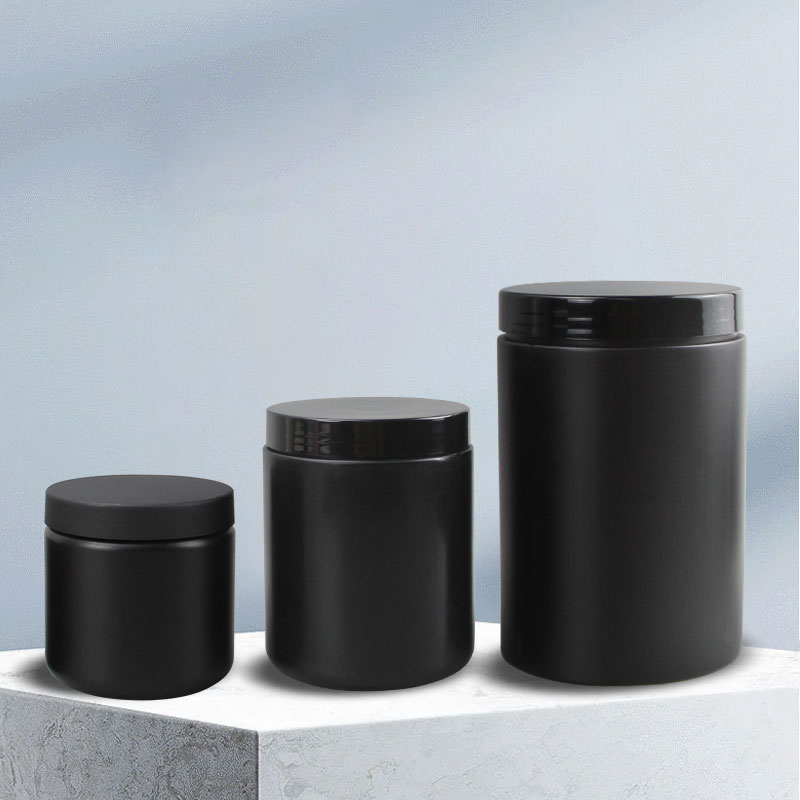
Proper sealing of your cosmetic jar is one of the most critical steps in maintaining product integrity and extending shelf life. Whether you're a cosmetic manufacturer, brand owner, or serious consumer, understanding how to seal a cosmetic jar prevents contamination, oxidation, and premature spoilage of valuable skincare and beauty products. A compromised seal allows air, moisture, and bacteria to penetrate the container, degrading active ingredients and potentially compromising safety. The investment in correct sealing techniques pays dividends in product quality, customer satisfaction, and brand reputation.
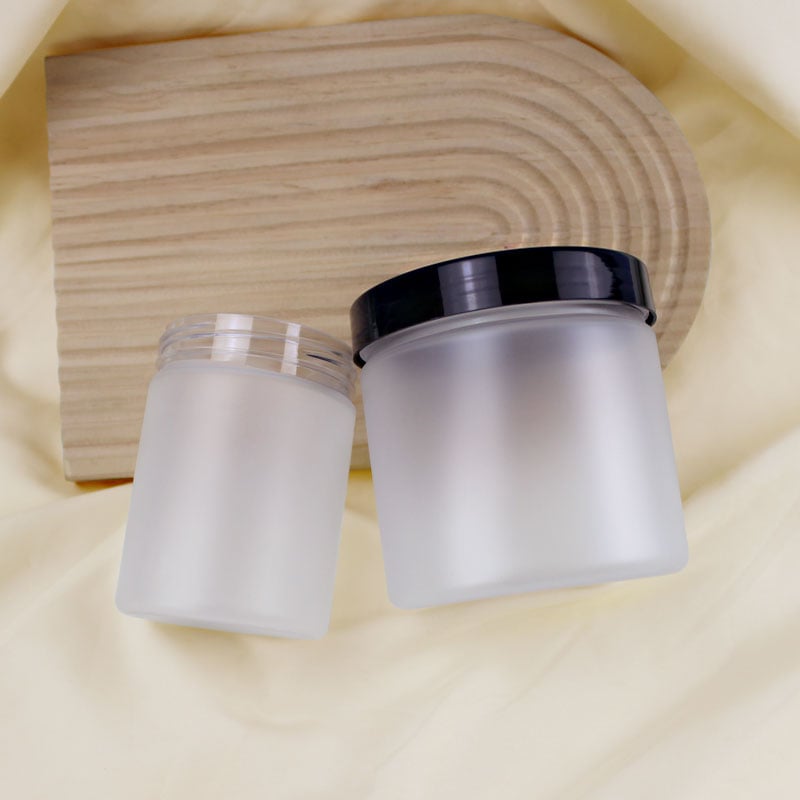
The challenge of preserving cosmetic formulations has driven innovation across the industry. Traditional jar closures, while familiar, often fall short of modern preservation demands. Today's beauty professionals recognize that effective sealing combines multiple factors: container material selection, closure design, environmental control, and proper handling protocols. Whether you work with glass cosmetic containers or modern alternatives, mastering sealing fundamentals ensures that products remain efficacious from manufacture through consumer use.
Understanding Cosmetic Jar Sealing Fundamentals
Why Sealing Integrity Matters in Cosmetic Preservation
The primary function of a cosmetic jar seal is creating an airtight barrier that protects formulations from external contamination. Oxygen exposure triggers oxidation reactions that degrade beneficial ingredients like vitamins, plant extracts, and antioxidants. Moisture penetration promotes microbial growth and viscosity changes that compromise product performance. UV light exposure through transparent containers accelerates degradation of light-sensitive compounds. A properly sealed container minimizes these risks, maintaining chemical stability and preserving the efficacy that customers expect from premium formulations.
Key Sealing Components in Modern Cosmetic Packaging
Glass cosmetic containers typically feature threaded closures with foam or rubber liners that create compression seals when tightened. The liner material must remain flexible across temperature ranges while resisting product oils and preservative systems. Threads must be precisely manufactured to ensure consistent engagement and prevent cross-threading that compromises seal quality. For airless pump bottles, the seal functions differently—pressure differential between the internal chamber and atmosphere prevents product exposure, eliminating the need for traditional closures. Understanding these distinct mechanisms helps you select appropriate container types for specific product formulations and storage conditions.
Practical Sealing Methods and Best Practices
Manual Sealing Techniques for Small-Batch Operations
When sealing cosmetic jars manually, begin by ensuring the jar interior and closure threads are completely dry and free of product residue. Moisture in these contact areas prevents proper seal formation and promotes corrosion or mold growth. Apply the liner and cap using moderate, consistent pressure—over-tightening damages threads and can crack glass cosmetic containers, while under-tightening leaves gaps for contamination. For creams and thick formulations, wipe the jar rim before capping to remove any product film that might compromise closure contact. Allow sealed jars to cool to room temperature before moving them, as thermal expansion during cooling can affect seal tightness and potentially introduce micro-air gaps.
Industrial Sealing Equipment and Consistency
Manufacturing operations rely on capping equipment that applies precise, repeatable torque to ensure uniform seal quality across production runs. These machines accommodate various jar sizes and closure types, from traditional threaded caps to specialized airless pump bottles. Equipment calibration is essential—periodic testing verifies that torque settings remain within manufacturer specifications, preventing inconsistent sealing that creates product quality variance. Operators must monitor for worn equipment components that reduce sealing effectiveness, such as worn gripper pads or misaligned threading guides. Documentation of sealing parameters provides traceability when product issues arise, allowing manufacturers to correlate spoilage incidents with specific production batches or equipment states.
Advanced Container Options and Sustainable Packaging Solutions
Glass Cosmetic Containers vs. Alternative Materials
Glass cosmetic containers offer superior sealing advantages due to their inert nature and ability to withstand tight compression without degradation. Glass doesn't interact with formulation components or harsh preservative systems, making it ideal for sensitive skincare products. However, glass weight increases shipping costs and breakage risks, driving interest in alternative materials. High-quality plastic containers can achieve comparable sealing performance when manufactured with precision molding and compatible closure systems. The selection between glass and plastic depends on product type, target market expectations, shelf life requirements, and sustainability goals. Airless pump bottles present another option, particularly for serums and lightweight emulsions where traditional closures might permit excessive air exchange.
Sustainable Packaging Solutions with Seal Integrity
Modern sustainable packaging solutions must maintain sealing performance while reducing environmental impact. Recyclable materials, refillable container systems, and biodegradable closures are gaining adoption across the industry. Glass cosmetic containers remain eternally recyclable without degradation, supporting circular economy models. Plant-based closure materials and airless pump bottles constructed from ocean-bound or recycled plastics offer eco-conscious alternatives without sacrificing seal integrity. Brands choosing sustainable packaging solutions must verify that alternative materials and closure designs achieve equivalent oxygen transmission rates and moisture barrier properties as conventional options. Testing protocols that simulate extended storage conditions ensure that sustainability commitments don't compromise product preservation or customer satisfaction.
Storage and Maintenance Practices After Sealing
Environmental Conditions for Sealed Cosmetic Products
Even properly sealed cosmetic jars deteriorate faster under poor storage conditions. Temperature fluctuations stress seal materials and increase internal pressure, potentially weakening adhesion over time. Store sealed containers in cool, dark environments between 15–25 degrees Celsius when possible. Direct sunlight and heat accelerate chemical degradation even through sealed containers, particularly for formulations containing plant-based actives or sensitive oils. Humidity control prevents moisture condensation inside packaging during temperature shifts, which can compromise seal integrity from the inside outward. Warehouses and retail display areas should maintain consistent environmental conditions to support the shelf life promised to consumers and preserve the effectiveness of your sealing investment.
Inspection Protocols and Quality Assurance
Regular inspection of sealed cosmetic jars throughout the supply chain catches sealing failures before products reach consumers. Visual checks for gap closure and torque verification using calibrated tools ensure seals remain intact during storage and transportation. Sample testing on sealed containers involves pressurization checks and dye penetration tests that reveal micro-breaches invisible to the eye. Implementing these quality assurance protocols demonstrates commitment to product safety and extends the effective shelf life of products across distribution channels. When customers report product changes—color shifts, texture variations, or unusual odors—seal failure is often the underlying cause, making preventive inspection essential for brand credibility.
FAQ
How do airless pump bottles provide superior sealing compared to traditional cosmetic jar closures?
Airless pump bottles eliminate air contact entirely through a vacuum-pressure system that prevents oxygen from entering the container. Unlike traditional closures that rely on physical compression of liner materials, airless pump bottles maintain consistent separation between the internal product and external atmosphere throughout the product's lifespan. This mechanism proves particularly effective for serums, lightweight emulsions, and formulations containing oxidation-prone ingredients. Airless pump bottles reduce preservative requirements, extend shelf life beyond what traditional cosmetic jar designs achieve, and deliver a premium user experience that justifies higher packaging costs.
What temperature conditions can compromise the seal on glass cosmetic containers?
Glass cosmetic containers maintain seal integrity across wider temperature ranges than plastic alternatives, but extreme conditions still cause problems. Rapid temperature shifts—moving sealed jars from freezing environments to heated spaces—create internal pressure fluctuations that stress closure components and liner materials. Temperatures above 40 degrees Celsius accelerate chemical degradation of foam and rubber liners, reducing their effectiveness at maintaining compression seals. Freezing temperatures below 0 degrees Celsius can cause some liner materials to become brittle and crack. Maintaining storage temperatures between 15–25 degrees Celsius and avoiding rapid thermal swings protects both container materials and the seal integrity upon which product preservation depends.
Are sustainable packaging solutions reliable for long-term product preservation?
Sustainable packaging solutions can achieve equivalent preservation performance to conventional options when properly engineered and tested. Plant-based closure materials and recycled plastic containers must undergo rigorous testing to verify oxygen transmission rates, moisture barrier properties, and chemical compatibility with specific formulations. Glass cosmetic containers remain the most reliable sustainable option due to their inert properties and proven performance across decades of cosmetic industry use. Newer eco-friendly materials show promise but require validation that matches the proven track record of traditional packaging. Brands should demand complete performance data from sustainable packaging suppliers before committing to alternatives, ensuring that environmental goals don't compromise product quality or consumer trust.