
 EN
EN
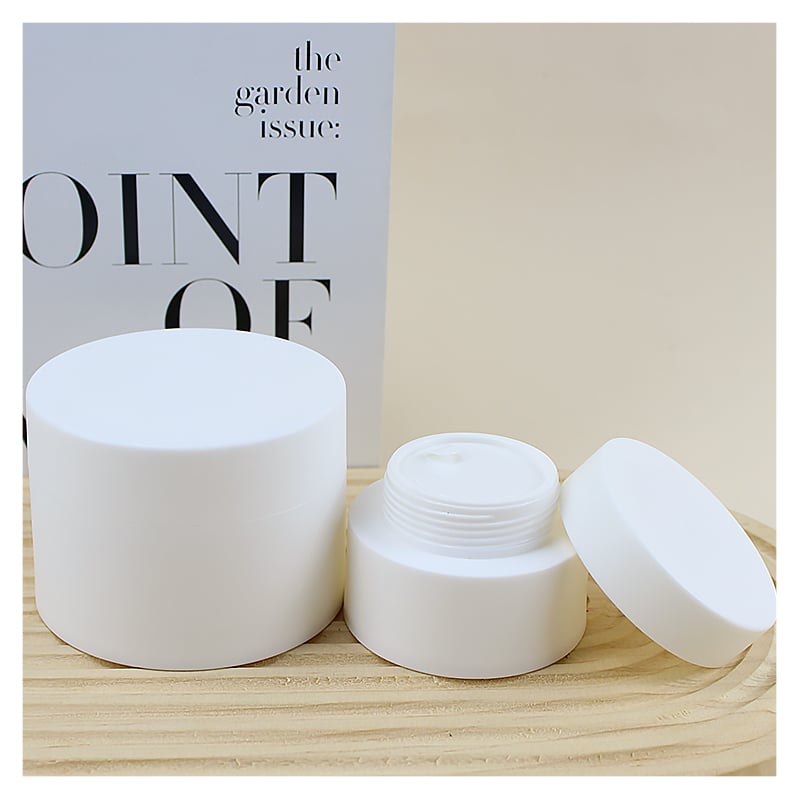
Selecting the right cream jar size is a practical decision that impacts your daily skincare routine, product longevity, and storage efficiency. Most people overlook this detail, but the capacity of your cosmetic container directly affects how often you refill, how well your skincare products remain stable, and whether your storage space accommodates your collection. Understanding the relationship between jar size and daily use patterns helps you invest in the right cosmetic container from the start.
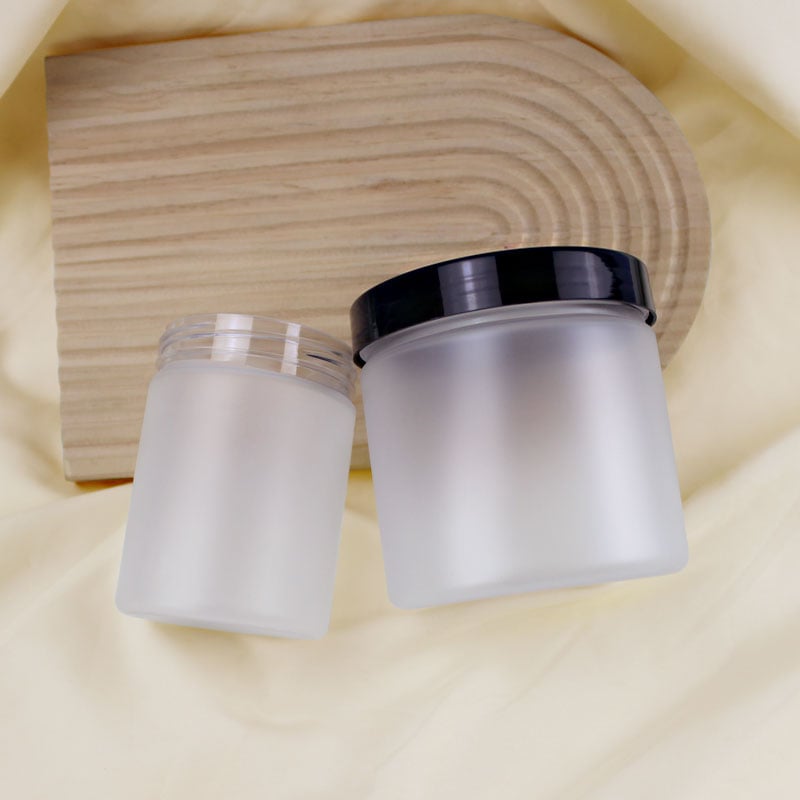
The ideal cream jar capacity depends on your application frequency, product type, and usage volume. A standard skincare packaging container ranges from 15ml to 500ml, and each size serves different needs. Whether you use face creams daily, body lotions multiple times, or specialty treatments occasionally determines which cosmetic container size delivers the best value and convenience for your lifestyle.
Understanding Daily Usage Volume
Assessing Your Application Frequency
Your daily application routine reveals how much product you actually consume. If you apply face cream twice daily, morning and evening, a typical amount ranges from 0.5ml to 1.5ml per application. Over a month, this means you use 15ml to 45ml of product. Understanding this consumption rate helps you select a cosmetic container size that supports your schedule without forcing you to refill constantly or store excess inventory.
Body lotions require larger application volumes than facial creams. Full-body application typically uses 5ml to 10ml per session. If you moisturize after showering daily, a 500ml glass jar storage option provides approximately two to three months of supply, while a 100ml skincare packaging container lasts two to four weeks. This calculation prevents the frustration of running out unexpectedly or wasting shelf space on oversized containers.
Consistency and Shelf Life Considerations
Product oxidation increases when a cream jar remains open to air regularly. Smaller cosmetic containers expose less surface area to oxygen with each opening, potentially preserving product integrity longer. A 30ml cream jar used daily maintains better stability than a 500ml skincare packaging container used occasionally, because the smaller volume cycles through faster and spends less cumulative time exposed. This factor matters significantly for preservative-sensitive formulations and natural skincare products.
Most creams, serums, and body treatments maintain efficacy for 6 to 12 months once opened. If you select a cosmetic container too large for your usage pattern, product may expire before you finish it. Conversely, a cream jar that depletes too quickly forces frequent repurchasing and disrupts your skincare routine. Balancing consumption speed with product shelf life ensures you gain maximum value from each cosmetic container investment.
Evaluating Storage Space and Convenience
Bathroom Cabinet Real Estate
Most bathroom cabinets contain limited shelf space, especially if you maintain multiple skincare products or share facilities with family members. A 50ml cream jar occupies minimal footprint, while a 500ml glass jar storage option requires dedicated territory. Measuring your available space before purchasing a cosmetic container prevents cluttered shelves, toppled bottles, and difficulty locating products during morning routines.
Vertical stacking increases usable storage capacity in compact bathrooms. Smaller 15ml to 30ml skincare packaging containers stack efficiently in drawers or on shelves without requiring deep shelving units. Professional aestheticians and travel-conscious individuals often prefer compact cream jar sizes because they fit cosmetic bags easily and occupy minimal luggage space. This portability factor becomes particularly valuable if you travel frequently or maintain skincare routines in multiple locations.
Refill Frequency and Budget Impact
Smaller cosmetic containers mean more frequent refills, which increases cumulative costs and administrative effort. A 15ml cream jar depletes quickly, requiring monthly repurchases and repeated supplier interactions. Larger cosmetic container sizes, conversely, reduce transaction frequency and often qualify for bulk discounts. Calculating your annual spending on preferred skincare products helps determine whether bulk sizing saves money despite higher initial outlay.
A 100ml to 250ml cream jar strikes balance for most daily skincare users. This cosmetic container capacity typically provides four to twelve weeks of product at normal application rates, minimizing waste while reducing reorder frequency. The glass jar storage option at this size is affordable, convenient to handle during daily routines, and maintains reasonable shelf stability without monopolizing bathroom storage.
Matching Jar Type to Product Category
Facial Creams and Lightweight Formulations
Face creams require smaller cosmetic containers because application volume is minimal and formulations are often concentrated. A 30ml to 50ml cream jar proves adequate for daily facial skincare, particularly for premium products where small amounts deliver visible results. Lighter textures, serums, and essences similarly benefit from compact skincare packaging because reduced air exposure prevents degradation of sensitive ingredients.
Eye creams and specialty treatments usually require 15ml to 25ml cosmetic containers since usage is extremely limited. These concentrated formulations justify premium pricing, so smaller cream jar sizes align with product economics and daily application reality. Glass jar storage provides superior protection for these valuable treatments compared to plastic cosmetic containers.
Body Lotions and Intensive Treatments
Body lotions and hydrating treatments consume product faster, justifying larger cosmetic container sizes. A 200ml to 500ml cream jar accommodates daily full-body application without excessive refilling. This skincare packaging capacity works particularly well for seasonal products like intensive winter moisturizers or post-sun treatments used during specific periods.
Specialty treatments like hand creams, foot balms, or therapeutic salves typically require 30ml to 100ml cosmetic containers. These products are used throughout the day in various locations, so portable sizing makes practical sense. A 75ml cream jar in this category fits handbags easily while providing several months of supply for occasional application.
FAQ
What size cream jar is best for beginners trying a new product?
Start with a 15ml to 30ml cosmetic container when testing unfamiliar skincare products. This smaller cream jar size minimizes financial risk if the formula irritates your skin or underperforms your expectations. Once you confirm the product works well for you, upgrade to a larger cosmetic container size that provides better value and reduces refill frequency. Many skincare packaging manufacturers offer sample sizes specifically for this trial-and-test phase.
How does cosmetic container material affect the ideal size choice?
Glass jar storage provides superior product preservation, making it suitable for larger cosmetic containers that may sit longer before complete depletion. Plastic cream jar options work well for smaller sizes used frequently and completely consumed within weeks. UV-protective glass or opaque skincare packaging helps preserve sensitive formulations regardless of container size. Consider your product's light sensitivity, storage environment, and expected consumption timeline when selecting between glass or plastic cosmetic containers.
Should I buy multiple smaller cream jar sizes or one large container?
Multiple smaller cosmetic containers offer flexibility if you use different products for different purposes or seasons. One large cream jar reduces cost and storage complexity for single-product routines. If you have space constraints or travel frequently, several 50ml skincare packaging units provide better convenience than one 500ml glass jar storage option. Calculate whether bulk pricing justifies larger cosmetic container purchases based on your actual consumption rate and product shelf life.