 EN
EN
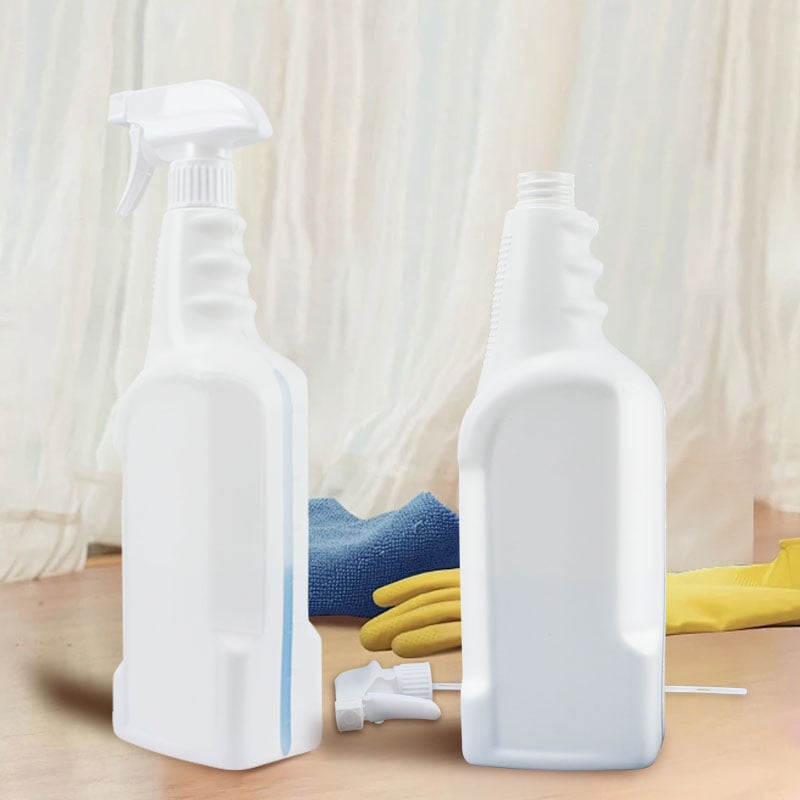
Selecting the right chemical bottle goes far beyond picking a container off a shelf. Regulatory compliance, safety standards, and material certifications determine whether your packaging meets legal requirements, protects workers, and safeguards your business from liability. Understanding which certifications matter for chemical bottles is essential for manufacturers, distributors, and end-users who handle hazardous materials regularly.
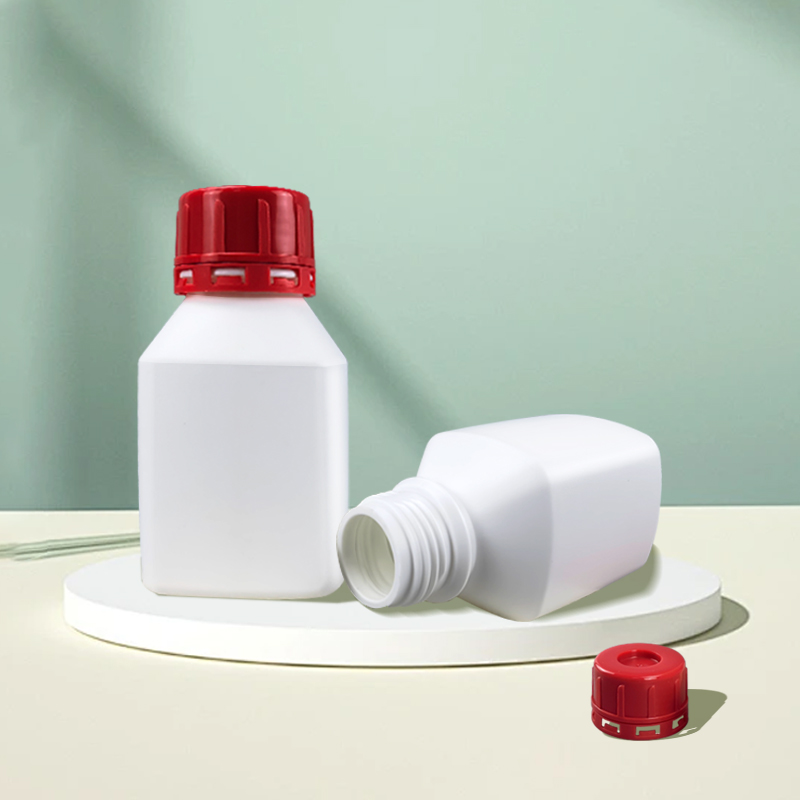
The landscape of chemical packaging solutions has evolved significantly as regulations tighten globally. Whether you work in pharmaceuticals, laboratories, industrial manufacturing, or specialty chemicals, your choice of hazardous material storage container must meet specific standards. This guide explores the certifications that matter most, helping you make informed decisions about plastic chemical container selection and compliance.
Understanding Key Regulatory Standards
FDA and Food Contact Compliance
When a plastic chemical container comes into contact with food or pharmaceutical products, FDA approval becomes critical. The Food and Drug Administration sets strict guidelines for materials used in chemical packaging solutions that may indirectly contact consumables. Even though the bottle itself stores chemicals, cross-contamination risks require certified materials. Look for bottles manufactured using FDA-compliant resins and tested against migration standards to ensure your chemical bottle meets food-grade safety thresholds.
FDA certification demonstrates that the plastic chemical container material has been evaluated for safety and does not leach harmful substances at relevant temperatures. For hazardous material storage in pharmaceutical or food processing environments, this certification is non-negotiable. The certification process includes rigorous testing of the base resin, colorants, and additives used in manufacturing.
DOT and Transportation Requirements
The U.S. Department of Transportation (DOT) regulates how hazardous material storage containers are designed, labeled, and shipped. A chemical bottle used for transporting hazardous materials must meet DOT specifications for drop testing, pressure resistance, and material compatibility. These requirements vary depending on the chemical classification and hazard level. Your plastic chemical container must display appropriate DOT markings and certifications to legally transport regulated substances across state lines or internationally.
DOT compliance ensures that your chemical packaging solutions can withstand real-world shipping conditions without leaking, breaking, or releasing contents. Testing includes drop impact, stacking load tests, and chemical compatibility verification. Understanding your specific DOT classification helps identify which certification level your chemical bottle requires.
Material-Specific Certifications and Standards
ISO 9001 and Manufacturing Quality
ISO 9001 certification indicates that a manufacturer of plastic chemical containers maintains consistent quality control processes. This standard applies to the production of chemical packaging solutions and verifies that every chemical bottle meets design specifications and regulatory requirements. When sourcing from ISO 9001-certified suppliers, you gain assurance that material selection, processing, and testing follow documented procedures.
Beyond compliance, ISO 9001 demonstrates organizational commitment to continuous improvement and customer satisfaction. Manufacturers holding this certification for hazardous material storage products undergo regular audits and maintain detailed records of testing and quality metrics. This documentation becomes valuable if regulatory questions or product liability issues arise.
UN Packaging Group Classification
United Nations packaging standards classify chemical bottles into groups based on the hazard level of contents. Packaging Group I handles the most hazardous materials, Group II handles moderate hazards, and Group III handles minor hazards. Your plastic chemical container must be certified for the appropriate UN Packaging Group to ensure it withstands the specific risks associated with your chemicals. This certification directly impacts whether a chemical bottle meets legal transport and storage requirements.
UN certification for chemical packaging solutions requires rigorous proof testing and documentation. Manufacturers conduct drop tests, internal pressure tests, and stacking tests specific to each Packaging Group. Selecting the correct classification for your hazardous material storage needs prevents compliance violations and ensures worker safety.
Industry-Specific and Additional Standards
OSHA and Workplace Safety Requirements
The Occupational Safety and Health Administration (OSHA) mandates that chemical bottles used in workplace settings comply with container labeling, storage, and handling standards. Your plastic chemical container must feature clear hazard communication labels, proper closure systems, and material compatibility with stored substances. OSHA does not certify bottles directly, but it enforces standards that chemical packaging solutions must meet, including the Global Harmonized System (GHS) labeling requirements.
Employers are responsible for ensuring that hazardous material storage containers meet OSHA standards and that workers receive proper training in their use. A chemical bottle that lacks proper labeling or comes from an uncertified source can result in workplace violations and fines. Compliance protects your workforce and demonstrates organizational responsibility.
Chemical-Specific Compatibility Testing
Beyond general certifications, chemical bottles must undergo compatibility testing with the specific substances they will contain. A plastic chemical container suitable for water-based solutions may fail when exposed to solvents or aggressive chemicals. Manufacturers conduct permeation testing to verify that chemicals will not degrade or leach from the plastic over the intended shelf life. This testing is critical for hazardous material storage applications where container failure could release dangerous substances.
Your chemical packaging solutions provider should supply compatibility data sheets (often called chemical resistance charts) demonstrating that the selected plastic chemical bottle material is safe for your specific application. HDPE, LDPE, polypropylene, and other plastics exhibit different resistance profiles. Choosing the right material based on documented compatibility testing ensures that your hazardous material storage system performs as intended.
FAQ
What is the most important certification for a chemical bottle?
The most important certification depends on your application, but DOT certification for transport and chemical compatibility testing are universally critical. If your plastic chemical container will be shipped across borders or contain hazardous materials, DOT compliance is mandatory. For workplace safety, OSHA-aligned labeling and UN Packaging Group certification ensure hazardous material storage meets legal requirements and protects workers from exposure.
Can a chemical bottle without certifications still be used?
Using uncertified chemical packaging solutions is risky and often illegal. An uncertified chemical bottle may fail during transport, leak in storage, or violate workplace safety regulations. Regulatory agencies, insurance companies, and legal liability considerations make certification essential. While certified plastic chemical containers may cost slightly more, they provide compliance assurance, worker protection, and liability protection that justifies the investment.
How do I verify that a chemical bottle meets required certifications?
Request certificates and test reports directly from your chemical packaging solutions supplier. Legitimate manufacturers of hazardous material storage containers maintain documentation of certifications, including DOT, FDA, UN, and ISO registrations. You should also verify compatibility testing data and request samples for your specific chemical application. Third-party certification bodies can often confirm the authenticity of claims, and industry databases may list certified manufacturers and products.