
 EN
EN
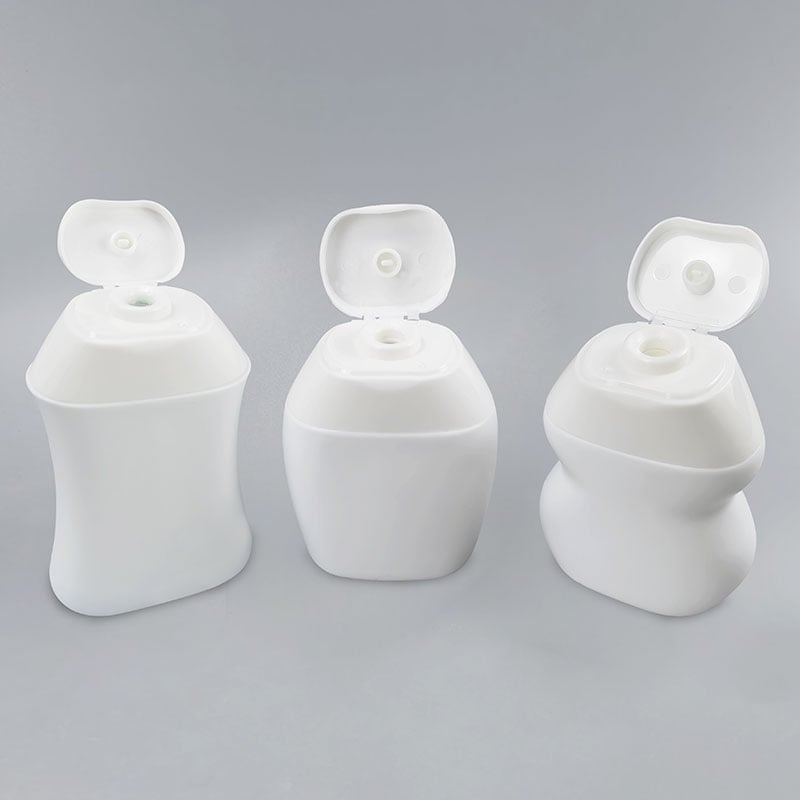
A squeeze bottle has become an indispensable tool in kitchens, restaurants, and food service operations worldwide. Whether you're dispensing condiments, sauces, or specialized liquids, the humble squeeze bottle offers precision, control, and convenience that traditional containers simply cannot match. Understanding the diverse applications of this versatile container helps businesses and home cooks alike optimize their workflow and improve food presentation.
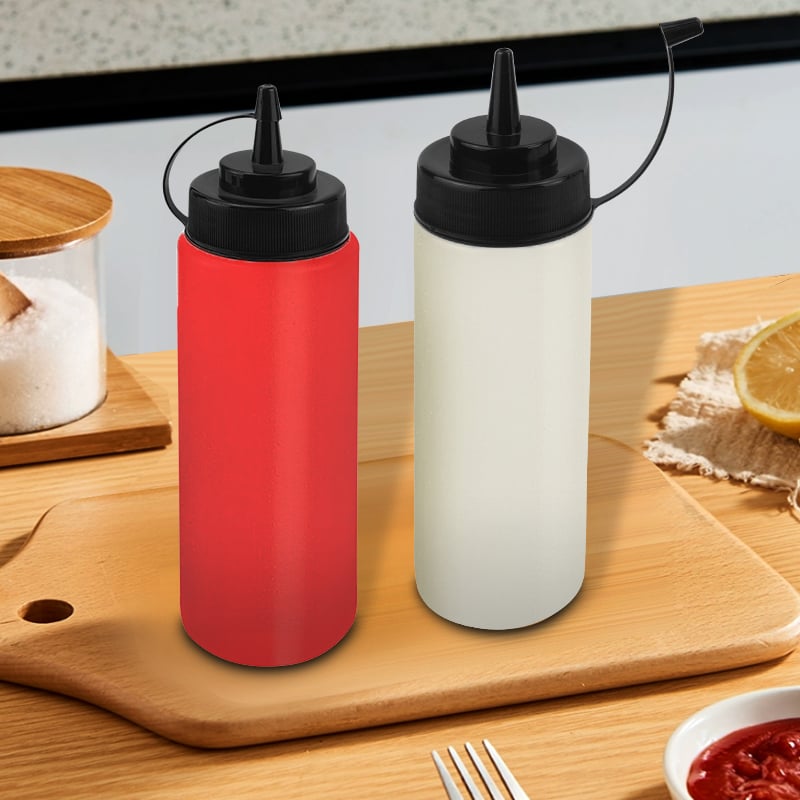
The popularity of the squeeze bottle stems from its functional design and adaptability across multiple industries. From fine dining establishments to casual food trucks, from household kitchens to manufacturing facilities, the squeeze bottle serves as a reliable solution for controlled liquid dispensing. A plastic squeeze bottle and silicone squeeze bottle each bring unique advantages depending on the specific use case and operating environment.
Food Service and Restaurant Applications
Condiment and Sauce Dispensing
In professional kitchens and restaurants, a squeeze bottle dispenser allows chefs to apply sauces, oils, and condiments with precise control and artistic flair. Ketchup, mustard, mayonnaise, and specialty sauces flow smoothly through the bottle's nozzle, enabling consistent portion sizes and attractive plating. The squeeze bottle dispenser reduces waste compared to pouring from larger containers and gives kitchen staff the ability to create decorative presentations that enhance customer perception of the dish.
Fine dining establishments particularly rely on silicone squeeze bottle options for their durability and temperature resistance. Chefs can fill these bottles with hot reductions, glazes, and emulsions without concern for material degradation. The controlled dispensing through a squeeze bottle ensures that every plate leaving the kitchen meets visual and portion standards, directly impacting customer satisfaction and operational consistency.
Beverage and Syrup Distribution
Coffee shops, juice bars, and beverage counters benefit tremendously from squeeze bottle technology for distributing syrups, toppings, and flavoring agents. A plastic squeeze bottle works exceptionally well for cold beverages, while a silicone squeeze bottle handles hot applications safely. The squeeze bottle dispenser design allows baristas to add caramel drizzles, chocolate sauce, and fruit syrups to drinks with minimal training, improving both speed and accuracy at high-volume service points.
The precision of a squeeze bottle means that beverage portions remain consistent, helping food service managers control costs and maintain quality standards across multiple locations. Staff can quickly apply toppings without measuring, reducing operational friction during peak service hours while maintaining professional presentation standards.
Kitchen and Culinary Uses
Home Cooking and Food Preparation
Home cooks increasingly recognize the value of a squeeze bottle for everyday meal preparation. Vinaigrettes, marinades, and homemade sauces store conveniently in a plastic squeeze bottle, allowing controlled application during cooking and plating. Unlike pouring from jars or measuring with spoons, a squeeze bottle makes it simple to apply exact amounts of cooking oils, infused vinegars, and liquid seasonings directly where needed.
A silicone squeeze bottle serves home kitchen needs exceptionally well for heat-sensitive applications. Storing hot sauces or caramel requires a container that withstands temperature extremes without leaching chemicals. The squeeze bottle design also keeps ingredient flavors pure by minimizing air exposure and oxidation, extending shelf life compared to open containers or standard bottles.
Baking and Pastry Work
Professional bakers and pastry chefs depend on squeeze bottle dispensers for precise application of glazes, icings, and chocolate coatings. The controlled flow enables intricate decorative work, consistent drizzles, and uniform distribution across baked goods. A squeeze bottle allows bakers to maintain artistic vision while working efficiently at production speed, transforming routine tasks into consistent, presentation-ready results.
The squeeze bottle dispenser reduces product waste during pastry decoration since excess material doesn't spill or drip as it would from larger containers. Pastry teams can refill squeeze bottles throughout their shift, keeping work areas clean and organized while maintaining precise control over each application.
Industrial and Specialized Applications
Laboratory and Manufacturing Environments
Beyond food service, the squeeze bottle dispenser serves critical roles in laboratories, manufacturing facilities, and industrial settings. A plastic squeeze bottle dispenses cleaning solutions, lubricants, and chemical compounds with controlled accuracy. A silicone squeeze bottle handles corrosive or high-temperature materials that would compromise standard plastic containers, making it essential for specialized manufacturing and research applications.
Industrial facilities appreciate the squeeze bottle dispenser because it reduces spillage, minimizes exposure to hazardous materials, and improves worker safety. The controlled dispensing mechanism prevents accidental releases and allows precise measurement of expensive or dangerous substances. This application extends the squeeze bottle's utility far beyond kitchen environments into healthcare, maintenance, and specialized production contexts.
Pharmaceutical and Medical Uses
Healthcare facilities and pharmaceutical operations employ squeeze bottle technology for sterile dispensing of solutions, medications, and cleaning agents. A silicone squeeze bottle withstands sterilization processes and maintains chemical compatibility with medical-grade liquids. The squeeze bottle dispenser design ensures precise dosing critical for medical applications where accuracy directly impacts patient safety and treatment effectiveness.
The squeeze bottle serves quality assurance requirements in regulated industries by providing traceable, controlled dispensing that meets strict compliance standards. Facilities benefit from reduced cross-contamination risk and improved inventory management through consistent portion control.
FAQ
What industries benefit most from using a squeeze bottle?
Food service, hospitality, healthcare, manufacturing, and laboratory settings benefit significantly from squeeze bottle technology. Restaurants use squeeze bottles for sauce and condiment application, while pharmaceutical facilities rely on them for sterile, precise dispensing. The squeeze bottle dispenser serves any industry requiring controlled liquid application, making it universally valuable across diverse operational contexts.
How do plastic and silicone squeeze bottle options differ?
A plastic squeeze bottle works well for cold and ambient-temperature applications, offering durability and affordability for standard food service use. A silicone squeeze bottle tolerates higher temperatures, resists staining, and provides superior longevity in demanding environments. The silicone squeeze bottle also handles corrosive or reactive materials better than plastic, making it preferable for industrial and pharmaceutical applications where chemical resistance matters.
Can a squeeze bottle dispenser improve food presentation and portion control?
Yes, the squeeze bottle dispenser enables precise, artistic application of sauces and toppings that elevates visual presentation while maintaining consistent portion sizes. Chefs can apply condiments with far greater control than traditional pouring methods, directly impacting customer perception of value and quality. The squeeze bottle also reduces waste by eliminating overpour and spillage inherent to conventional dispensing methods.