
 EN
EN
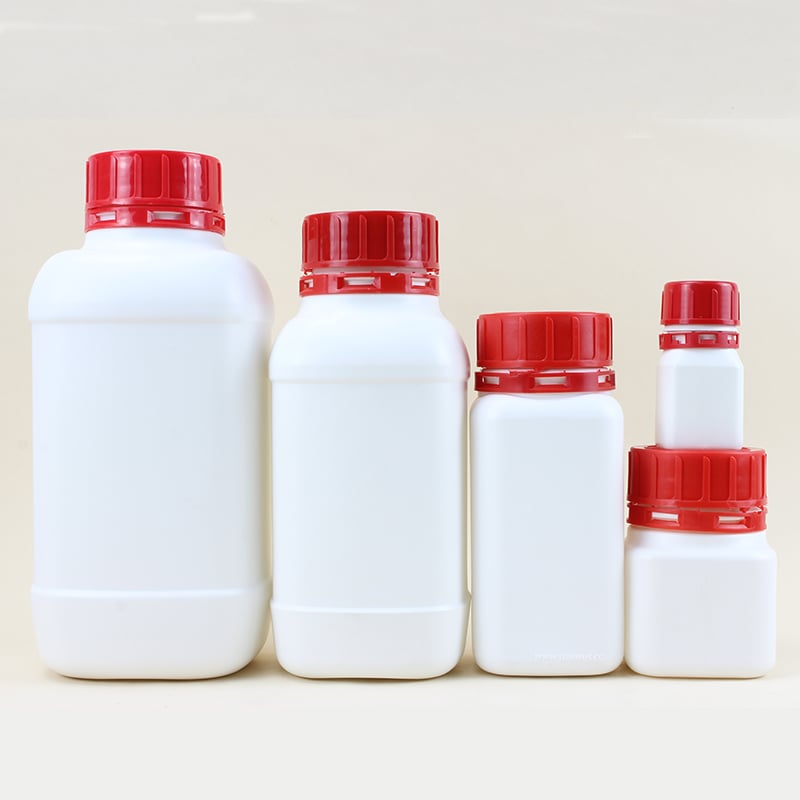
Selecting the right chemical bottle is one of the most critical decisions in laboratory, industrial, and commercial chemical handling operations. The wrong choice can compromise safety, product integrity, and regulatory compliance, while the right selection ensures reliable storage, easy handling, and protection of both contents and personnel. Whether you manage a pharmaceutical lab, manufacturing facility, or chemical distribution center, understanding the fundamentals of chemical bottle selection is essential to operational success.
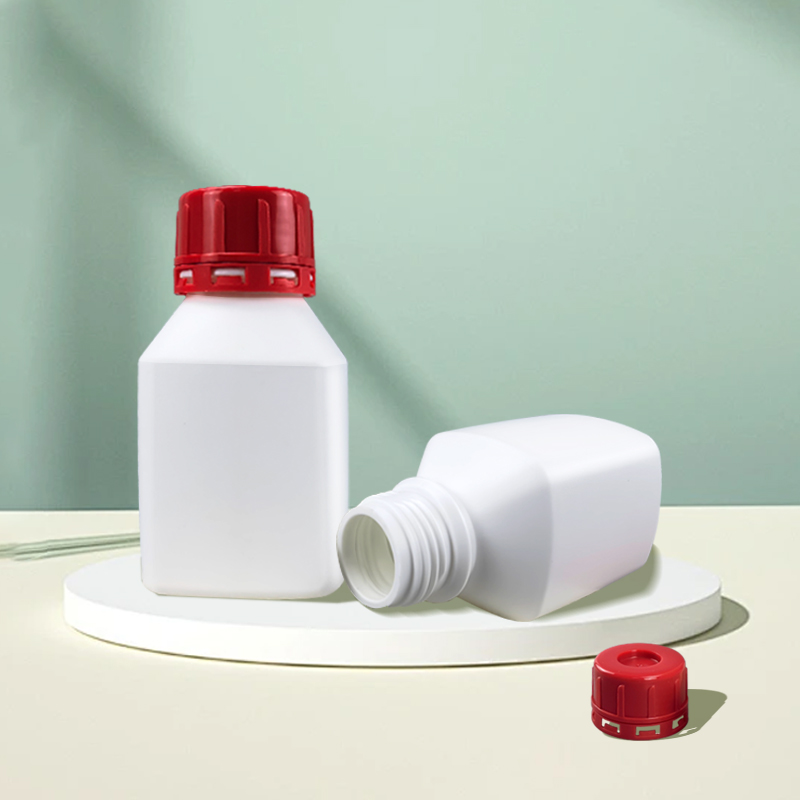
Choosing a plastic chemical container or hazardous material storage solution requires evaluating multiple factors beyond aesthetics or cost. Material compatibility, container capacity, closure integrity, regulatory requirements, and operational workflow all play vital roles in determining which chemical packaging solutions serve your needs best. This guide walks you through the essential criteria for making an informed selection that protects your investment and ensures compliance.
Understanding Material Compatibility
Evaluating Plastic Types for Chemical Bottles
The material of your chemical bottle directly determines its compatibility with specific substances. High-density polyethylene (HDPE) is widely used in chemical packaging because it resists aggressive chemicals, offers good rigidity, and maintains structural integrity. Polypropylene (PP) provides excellent resistance for stronger acids and solvents. Polyethylene terephthalate (PET) is suitable for less aggressive compounds but may not withstand prolonged exposure to volatile chemicals. Understanding which plastic chemical container material matches your specific chemical composition is non-negotiable for safe storage.
Chemical resistance varies dramatically between materials and chemical families. Aromatic solvents, for instance, can degrade plastics that handle aqueous solutions easily. Before committing to any chemical bottle design, consult manufacturer compatibility charts and conduct small-scale testing for unusual applications. Temperature fluctuations also impact material performance; what works at room temperature may fail in heat or cold storage conditions.
Beyond Plastic: Alternative Materials
While plastic dominates modern chemical packaging, glass remains essential for high-risk chemicals, solvents, and long-term storage scenarios. Glass offers superior chemical resistance and eliminates permeation or leaching concerns. However, glass is heavier, more fragile, and costlier than plastic chemical containers, making it less practical for high-volume operations. Stainless steel chemical bottles serve specialized industrial applications where extreme durability is paramount. Your selection must balance chemical compatibility, operational environment, regulatory requirements, and budget constraints.
Assessing Capacity and Volume Needs
Right-Sizing Your Chemical Bottle Storage
Chemical bottle capacity must align with consumption rates and storage protocols. Oversized containers increase storage footprints, create handling challenges, and expose chemicals to air for extended periods, leading to degradation. Undersized bottles force frequent reordering and interrupt workflow. Most operations benefit from tiered inventory where high-consumption chemicals use larger containers while unstable compounds use smaller volumes. Consider facility layout, shelf space, and distribution workflows when determining the ideal bottle size.
Hazardous material storage regulations often specify maximum quantities per container for certain chemicals. These legal constraints may dictate bottle size regardless of operational preference. Additionally, regulatory bodies define volume standards for chemical packaging solutions. Review local guidelines—such as OSHA standards or REACH compliance—before finalizing capacity decisions, as non-compliance can result in penalties and operational shutdowns.
Volume Tracking and Inventory Management
A well-chosen chemical bottle should include clear volume markings or graduated indicators allowing staff to monitor contents without opening the container. This feature is critical for hazardous material storage where minimizing exposure is paramount. Unclear chemical packaging creates guesswork, leading to unexpected shortages or overstocking. Select bottles with easy-to-read graduations in both metric and imperial units to accommodate diverse workplace needs.
Closure System and Sealing Performance
Evaluating Cap and Seal Options
The closure is a critical component of any chemical bottle system. A poor seal allows evaporation, contamination, and permeation, compromising chemical integrity and safety. Child-proof caps are legally required in many jurisdictions for hazardous storage, while tamper-evident features confirm a bottle has not been compromised during transit. Induction seals create an airtight barrier beneath the cap, offering superior protection against volatile compounds and moisture infiltration.
Liner compatibility is equally critical; the liner inside your cap must resist the same chemicals as the bottle itself. A mismatch between container and cap liner materials causes swelling, deterioration, or chemical transfer. Threaded designs should offer smooth engagement without cross-threading risk. Always test closure performance under actual storage conditions—including temperature and humidity variations—before large-scale implementation.
Specialized Closure Features
Some advanced chemical bottle systems include dispensing mechanisms like dropper fitments, pump tops, or pour spouts that reduce direct exposure during use. These closures are valuable for toxic or volatile chemicals where minimizing contact is essential. However, complex closure systems require diligent cleaning to prevent blockages. Evaluate whether specialized features justify their added cost and maintenance compared to traditional screw caps.
Regulatory Compliance and Labeling
Meeting Hazardous Material Storage Standards
Chemical bottles used for hazardous material storage must comply with regulatory frameworks such as DOT, EPA, and OSHA specifications. These regulations cover container construction, pressure relief requirements, hazard labeling, and compatibility certifications. Non-compliance exposes your organization to legal liability and operational disruptions. Before selecting any chemical bottle, verify that it meets all applicable standards specific to your chemicals and region.
GHS labeling requirements dictate how chemical packaging must communicate hazard information. Your selected chemical bottle must have adequate surface area for required pictograms, signal words, and hazard statements. Labels should resist chemical contact, moisture, and UV degradation to remain legible throughout the storage period.
Traceability and Documentation
Modern chemical bottle systems should support comprehensive tracking and documentation. Barcodes, lot numbers, and batch identification help trace products through supply chains and quickly identify affected units during recalls. Chemical packaging that integrates with digital inventory systems reduces human error and improves emergency response efficiency.
Practical Implementation and Use Considerations
Ergonomics and Handling Safety
The physical design of your chemical bottle affects daily safety and productivity. Heavy or awkwardly shaped bottles increase injury risk and reduce accuracy during pouring. A well-designed bottle balances easy handling with stable shelf positioning. Grip zones, weight distribution, and center of gravity all influence safe usage. Consider staff physical capabilities when selecting bottle size and shape.
Color coding provides an additional safety layer for hazardous storage. Assigning specific colors to chemical families or hazard levels enables quick visual identification and reduces accidental mixing risks. Consistent color coding across inventory significantly improves response efficiency during emergency situations.
Storage Environment Adaptation
Storage temperature, humidity, and light exposure directly impact chemical bottle performance. Climate-variable environments may require UV-protective materials or enhanced sealing systems. Cold environments embrittle certain plastics, while heat accelerates degradation in others. Evaluate specific environmental conditions before selecting bottle materials to ensure long-term durability and safety.
FAQ
What is the most important factor when selecting a chemical bottle?
Material compatibility with your specific chemical is the most critical factor. A chemical bottle must resist the contained substance to prevent degradation, permeation, or container failure. Always verify chemical compatibility first, then evaluate secondary factors like capacity, closure performance, and regulatory compliance.
Are plastic chemical containers always cheaper than glass alternatives?
While plastic containers cost less upfront, total cost of ownership varies. Plastic may require frequent replacement in demanding applications, offsetting initial savings. Glass lasts longer but carries higher unit costs and breakage risks. Evaluate lifetime costs based on chemical portfolio, storage duration, and handling frequency.
How do I ensure hazardous material storage compliance with my chemical bottle selection?
Review regulations from DOT, EPA, and OSHA before purchasing. Verify that selected chemical packaging carries necessary certifications, consult manufacturer compliance documentation, and partner with internal safety teams to establish approval workflows before adding bottles to active inventory.