
 EN
EN
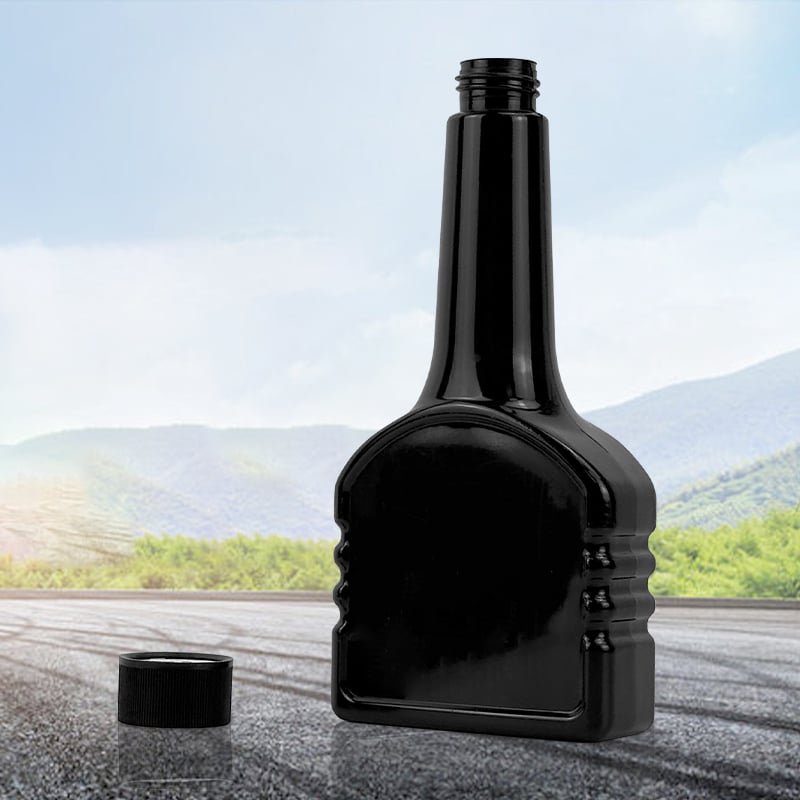
A chemical bottle serves as the first line of defense against dangerous spills, contamination, and worker exposure in industrial and laboratory settings. The integrity of your chemical packaging solutions directly impacts workplace safety, product quality, and regulatory compliance. Understanding how these containers prevent leakage is essential for anyone handling hazardous materials or responsible for chemical storage protocols.
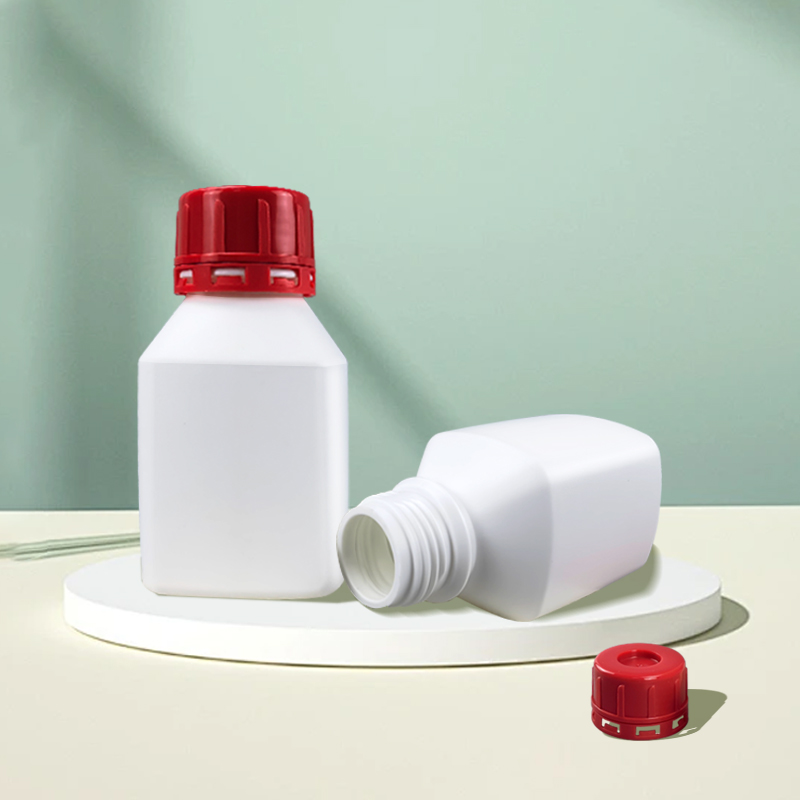
Modern hazardous material storage relies on multiple engineered features working together to maintain containment. A plastic chemical container must withstand pressure fluctuations, temperature variations, and chemical reactions without compromising its structural integrity. The combination of advanced seal mechanisms, reinforced closures, and material science creates a reliable barrier that prevents leakage throughout the product lifecycle, from manufacturing through disposal.
Seal Design and Closure Technology
Induction Sealing and Cap Systems
The closure mechanism represents the critical junction where leakage most commonly occurs in a plastic chemical container. Modern chemical packaging solutions employ dual-seal systems that combine a primary barrier with a secondary containment layer. The cap itself features threads that create mechanical resistance, while specialized liners inside the cap form an airtight seal that prevents vapor escape and liquid seepage. When properly installed, these closure systems create multiple redundant barriers that work simultaneously to block any pathway for chemical leakage.
Induction sealing technology provides an additional protection layer beyond traditional threads. This method uses electromagnetic energy to activate an aluminum foil seal that bonds permanently to the bottle rim. Once activated, this seal becomes virtually impossible to compromise without deliberately destroying the container. For hazardous material storage applications, induction sealing offers unmatched reliability and tamper evidence, ensuring that any unauthorized opening becomes immediately visible.
Gasket Materials and Compatibility
Gaskets inside caps require careful material selection to maintain effectiveness with specific chemical contents. A chemical bottle designed for acidic solutions requires different gasket materials than one intended for solvents or caustic substances. Elastomer gaskets must resist chemical attack while maintaining their flexibility and sealing properties. HDPE and PTFE gaskets represent industry standards because they resist a broad spectrum of chemicals while maintaining their dimensional stability over extended storage periods. When gasket materials degrade due to incompatibility, leakage becomes inevitable regardless of design excellence elsewhere in the container.
Material Selection and Container Construction
High-Density Polyethylene Properties
HDPE plastic emerges as the preferred material for chemical packaging solutions due to its exceptional chemical resistance and structural durability. This material withstands aggressive compounds that would degrade inferior plastics, maintaining its molecular integrity across temperature ranges from freezing to elevated heat exposure. The crystalline structure of HDPE creates a dense matrix that resists permeation, preventing volatile chemicals from escaping through microscopic pathways in the container wall. For hazardous material storage, this impermeability represents a fundamental advantage that glass containers cannot match in terms of safety during handling and transport.
The wall thickness of a chemical bottle directly correlates with its leakage resistance under stress conditions. Properly engineered containers feature reinforced sections around the base and neck where internal pressure concentrates. Uniform wall thickness prevents weak points where cracks might initiate under temperature cycling or chemical stress. Manufacturers design these containers with safety factors that exceed normal use conditions, ensuring that leakage remains virtually impossible under expected operational parameters.
Base Design and Structural Integrity
The base of a plastic chemical container receives minimal attention despite its critical role in preventing leakage. Flat or slightly indented bases provide stable support while resisting internal pressure that could otherwise push the bottom outward. Reinforcing ribs in the base design distribute stress evenly, preventing localized stress concentrations that might lead to cracking or rupture. When a chemical bottle sits on a shelf or transport pallet, its base must withstand both vertical pressure from the liquid column above and external impacts without developing micro-fractures that could evolve into leaks.
Pressure Management and Vent Systems
Equilibration and Vapor Control
Internal pressure builds within sealed containers as chemical volatility and temperature fluctuations create vapor expansion. Without pressure relief mechanisms, excessive internal pressure would force liquid toward seals and weak points, inevitably causing leakage. Advanced chemical packaging solutions incorporate specialized vent systems that allow air exchange while maintaining hazardous material storage integrity. These vents feature one-way mechanisms that permit pressure equalization without allowing external contamination or chemical vapors to escape uncontrolled.
Desiccant breathers and pressure-relief valves represent two distinct approaches to managing internal pressure in sealed containers. Desiccant breathers allow ambient air into the container while removing moisture, preventing vacuum formation as the contents cool. Pressure-relief valves open when internal pressure exceeds safe thresholds, releasing excess pressure in a controlled manner. The choice between these systems depends on the specific chemical properties and storage duration. A chemical bottle designed for short-term storage may use simple breathers, while long-term hazardous material storage applications require more sophisticated pressure-management technology.
Temperature Cycling and Expansion
Thermal cycles create expansion and contraction that tests the limits of container seals and structural integrity. As temperature rises, liquids expand faster than plastic materials, increasing internal pressure. When temperature drops, the reverse occurs, potentially creating internal vacuum that draws external air inward. Over multiple temperature cycles, these stresses accumulate and can degrade seal effectiveness if the container lacks proper design features. Chemical packaging solutions that anticipate thermal cycling incorporate headspace optimization and flexible sealing components that accommodate these dimensional changes without compromising containment.
FAQ
What chemical properties most challenge plastic chemical container leakage prevention?
Volatile organic compounds and highly reactive chemicals present the greatest challenges for chemical bottle containment. These substances create elevated internal pressure, degrade certain plastics, and demand aggressive vapor management. Permeation risk increases significantly with chemical volatility, requiring premium materials and advanced seal designs. Incompatibility between chemical contents and container materials represents the primary cause of premature leakage in industrial hazardous material storage operations.
How does manufacturing quality affect chemical packaging solutions leakage rates?
Manufacturing precision directly determines whether a chemical bottle meets leakage specifications or fails prematurely. Inconsistent wall thickness, improper cap tightening, or gasket misalignment during assembly creates failure pathways that emerge during storage or transport. Quality control processes that include pressure testing and leak detection identify defective units before they reach customers. Superior manufacturing standards ensure that chemical packaging solutions maintain their integrity throughout the expected shelf life and operational lifespan.
Can chemical bottles be reused safely after emptying hazardous material storage contents?
Reusing chemical bottles depends on thorough decontamination and seal verification after emptying previous contents. Chemical residues can degrade seal materials or react with new contents, creating leakage risks in hazardous material storage scenarios. Many facilities choose single-use protocols for containers that held toxic or reactive substances, eliminating uncertainty about chemical compatibility. Industry best practices generally recommend new containers for premium safety applications where reuse verification costs exceed the price of replacement packaging.