
 EN
EN
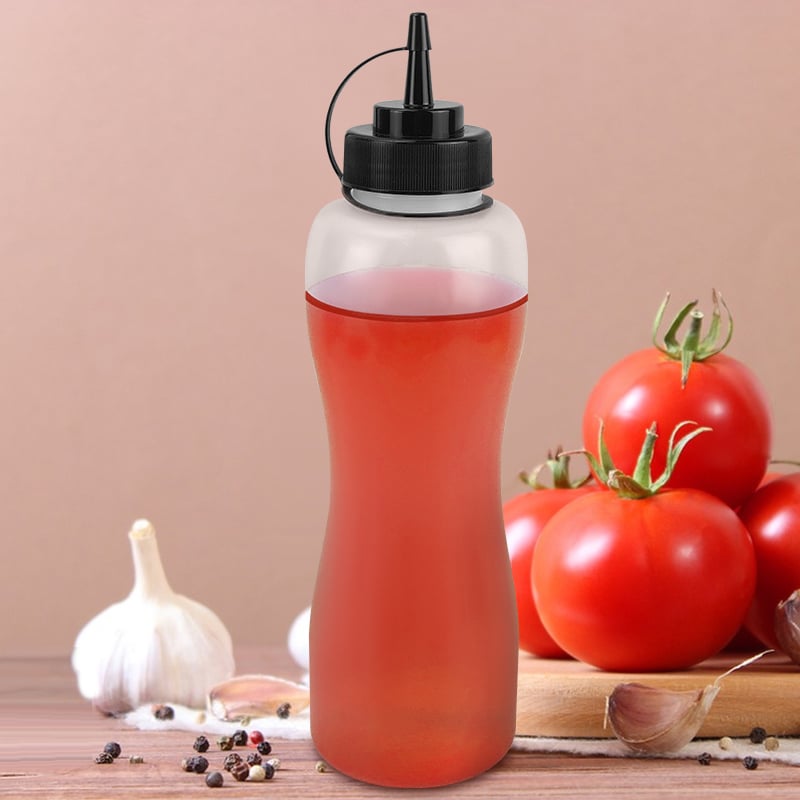
A squeeze bottle is a flexible, handheld container designed to dispense controlled amounts of liquids, sauces, condiments, and other semi-viscous products with precision. Whether used in professional kitchens, food service establishments, or home cooking environments, the squeeze bottle remains one of the most practical and reliable dispensing tools available. Its simple yet effective design makes it indispensable for chefs, food manufacturers, and consumers who require accurate portion control and mess-free application. Understanding what a squeeze bottle is and how it functions helps users select the right container for their specific needs and maximize its performance in daily operations.
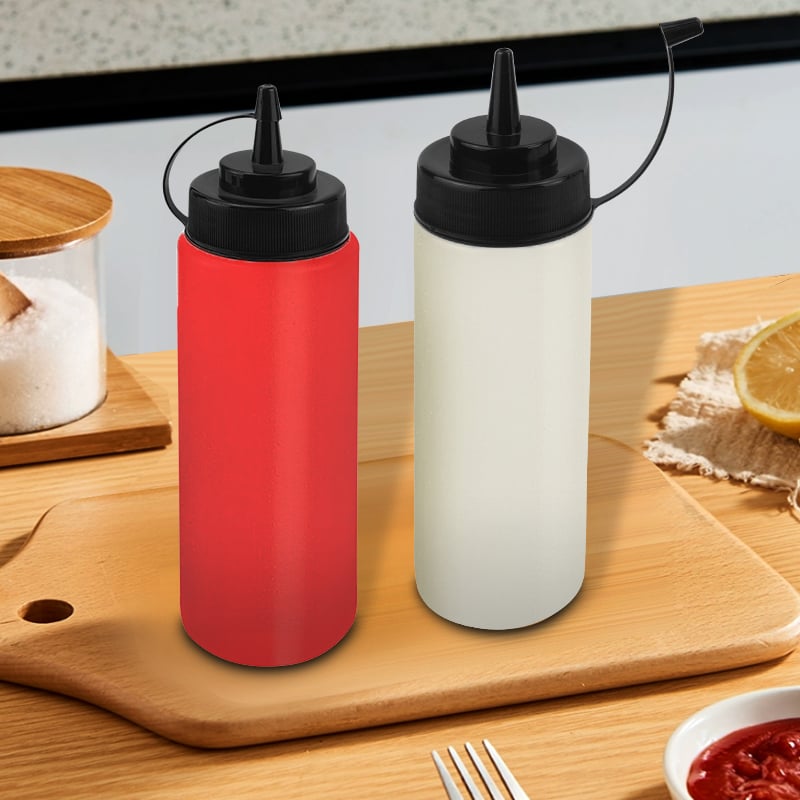
The fundamental principle behind a squeeze bottle's operation relies on pressure and material flexibility. When you apply force to the bottle's body, the internal pressure increases, forcing the contents through a narrow opening at the top or spout. The ability to release and reapply pressure gives users complete control over dispensing speed and quantity, which is why squeeze bottles are favored across food service, baking, sauce packaging, and decorative plating applications. Modern squeeze bottles come in various materials, including plastic squeeze bottles and silicone squeeze bottle options, each offering distinct advantages depending on the intended use and product type.
Material Types and Design Variations
Plastic Squeeze Bottle Construction
A plastic squeeze bottle typically features a rigid or semi-rigid body made from polyethylene, polypropylene, or other food-grade polymers. The plastic squeeze bottle design balances durability with flexibility, allowing users to apply consistent pressure without excessive force. Most plastic squeeze bottles include a wide base for stability, a tapered neck, and a precision tip or cap that controls flow rate. The advantage of a plastic squeeze bottle lies in its affordability, resistance to staining, ease of cleaning, and compatibility with acidic or oily substances. Many commercial food service environments prefer plastic squeeze bottles because they withstand repeated use, resist temperature fluctuations, and remain economical for high-volume operations.
Silicone Squeeze Bottle Advantages
A silicone squeeze bottle offers superior flexibility and durability compared to traditional plastic alternatives. The silicone squeeze bottle material resists heat better, maintains its shape over extended storage, and provides a gentler application for delicate garnishes or precision work. Silicone squeeze bottles excel when dispensing thick, viscous products or when temperature resistance matters, such as in industrial sauce packaging or laboratory settings. The inherent softness of silicone allows for finer control and reduces hand fatigue during extended use. Additionally, silicone squeeze bottles resist staining, do not retain odors, and prove ideal for organic or specialty food products where material cleanliness is paramount.
How Squeeze Bottle Dispensers Operate
Pressure-Based Dispensing Mechanism
The core functionality of a squeeze bottle dispenser depends on creating internal pressure through external force. When you grip and compress the bottle's flexible walls, the air space inside decreases, forcing the contents toward the spout opening. The squeeze bottle dispenser maintains this controlled pressure delivery through its engineered spout design, which regulates flow and prevents backflow or leakage. Release pressure on the bottle body, and the flexible material returns to its original shape, drawing fresh product toward the dispenser tip. This pump-like action requires no electricity, batteries, or mechanical components, making the squeeze bottle dispenser reliable and maintenance-free in professional kitchens and food preparation areas.
Precision Tip and Flow Control
The spout design of a squeeze bottle dispenser directly influences application accuracy and user satisfaction. Precision tips come in various diameters, from ultra-fine openings for detailed work to wider apertures for faster dispensing of thicker products. A squeeze bottle dispenser with a fine tip allows chefs and decorators to create intricate patterns, controlled lines, and professional presentations. Conversely, wider-opening squeeze bottle dispensers suit bulk conditioning, sauce application, or industrial filling operations where speed matters more than precision. The flip-top or screw-on cap mechanisms on many squeeze bottles also prevent unwanted leaks during storage and transport, maintaining product freshness and reducing waste.
Practical Applications and Industry Use
Food Service and Culinary Applications
Professional chefs and food service operators rely heavily on squeeze bottles for consistent portion control and presentation enhancement. In sauce packaging and food preparation, a squeeze bottle delivers exact quantities of ketchup, mustard, hot sauce, chocolate, caramel, or specialty condiments without spillage or excess. The squeeze bottle's portability makes it ideal for plating garnishes, drizzling sauces, or adding decorative elements to dishes. High-volume food service establishments value squeeze bottles because they reduce product waste, accelerate service speed, and maintain visual consistency across plated items. Whether used in fine dining, casual restaurants, or food manufacturing facilities, squeeze bottles remain essential tools that directly impact both operational efficiency and customer experience.
Industrial and Packaging Operations
Beyond culinary settings, squeeze bottle dispensers serve critical roles in industrial packaging and product distribution. Manufacturers producing condiments, sauces, dressings, and liquid ingredients often employ squeeze bottles as primary packaging solutions. The squeeze bottle dispenser's ability to accurately meter product reduces packaging costs while maintaining consumer satisfaction and product quality. Industrial squeeze bottle systems can be integrated with filling machinery, automated capping equipment, and labeling processes to streamline production workflows. Additionally, squeeze bottles minimize environmental impact by reducing packaging material waste compared to rigid containers, making them an increasingly popular choice for sustainable food packaging initiatives.
Maintenance and Care Considerations
Cleaning and Storage Best Practices
Proper maintenance ensures that your squeeze bottle remains functional and hygienic across extended use cycles. After each use, rinse the squeeze bottle thoroughly with warm water and mild detergent, paying special attention to the spout and internal cavity where residue accumulates. For stubborn deposits or sticky products, soak the squeeze bottle in hot water or use bottle brushes designed for narrow openings. Ensure complete drying before storing to prevent mold or bacterial growth, particularly important for silicone squeeze bottle varieties that retain moisture. Store squeeze bottles upright with caps removed or loosened to allow air circulation. Regular inspection for cracks, discoloration, or material degradation helps identify when replacement becomes necessary, ensuring product safety and consistent performance.
Longevity and Durability Factors
The lifespan of a squeeze bottle depends on material quality, frequency of use, and exposure to extreme temperatures or harsh chemicals. A plastic squeeze bottle typically withstands 12 to 24 months of regular commercial use before requiring replacement, while a silicone squeeze bottle often lasts longer due to superior material resilience. Frequent exposure to high temperatures can compromise plastic squeeze bottle integrity, causing warping or brittleness over time. Conversely, silicone squeeze bottles maintain structural integrity across wider temperature ranges. Proper cleaning protocols, avoiding excessive pressure application, and protecting squeeze bottles from direct sunlight extend their functional life. Investing in quality squeeze bottles from reputable manufacturers ensures better durability and consistent performance, ultimately reducing replacement costs and operational disruptions.
FAQ
What is the difference between a silicone squeeze bottle and a plastic squeeze bottle?
A silicone squeeze bottle offers superior heat resistance, flexibility, and longevity compared to a plastic squeeze bottle. Silicone resists staining and odor retention better, making it ideal for specialty or organic products. A plastic squeeze bottle remains more affordable, lightweight, and suitable for standard food service applications. Choose based on your product type, temperature requirements, and budget considerations.
How does a squeeze bottle dispenser prevent leakage?
A squeeze bottle dispenser prevents leakage through engineered spout design and tight-fitting caps or flip-tops that seal the opening when not in use. The internal pressure mechanism ensures product flows only when external force is applied. Quality caps create an airtight seal that prevents evaporation, oxidation, and contamination during storage and transport.
Can a squeeze bottle handle thick or viscous products?
Yes, squeeze bottles effectively dispense thick or viscous products when the spout opening accommodates product consistency. A silicone squeeze bottle works particularly well for dense sauces, pastes, and thick condiments because its flexibility generates sufficient pressure without requiring excessive hand force. Always match the squeeze bottle's tip size to your product's viscosity for optimal performance.