
 EN
EN
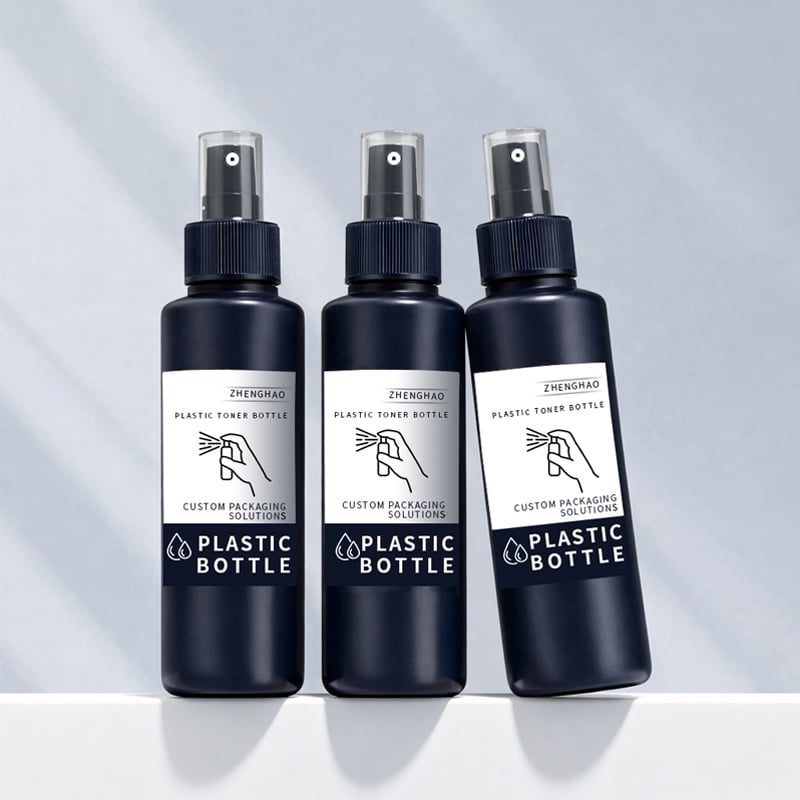
Selecting the correct spray bottle type is essential for ensuring product delivery efficiency, user satisfaction, and operational cost-effectiveness in cleaning, agricultural, personal care, and industrial applications. The right spray bottle choice depends on your application's viscosity requirements, frequency of use, target audience, and performance expectations. Each spray bottle category offers distinct advantages and limitations that directly impact product performance and customer experience.
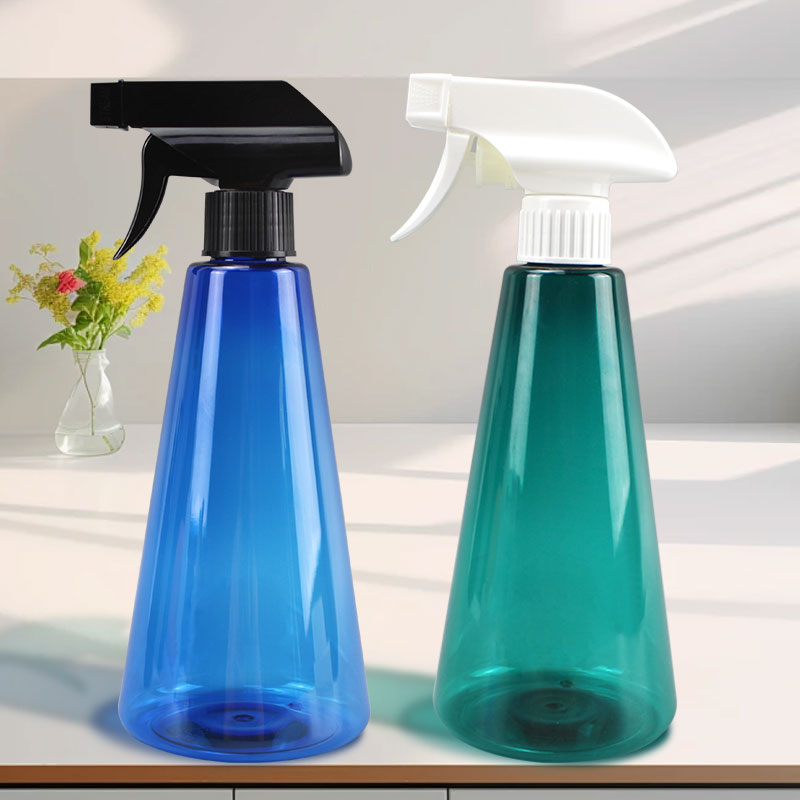
Understanding the characteristics of each spray bottle technology allows manufacturers, distributors, and end-users to make informed decisions that align with product requirements and market positioning. A trigger sprayer, pump spray bottle, or atomizer bottle each serves different purposes, ranging from quick-spray convenience to high-pressure delivery and ultra-fine misting. This guide explores how to evaluate your application needs and match them to the most suitable spray bottle technology.
Understanding Trigger Sprayer Technology
How Trigger Sprayers Work
A trigger sprayer is the most widely recognized spray bottle mechanism, featuring a simple hand-activated lever that users press to release liquid in controlled bursts. When the trigger is pulled, internal spring mechanisms compress, forcing fluid through a narrow nozzle opening that creates a fine mist or stream spray pattern. The trigger sprayer design allows for intermittent application, meaning users can spray, release, and spray again without continuous pressure, making it ideal for household cleaning products, air fresheners, and botanical sprays.
Trigger sprayers typically work with liquid viscosity ranging from water-thin solutions to moderately thick formulations. They require minimal user effort and deliver consistent spray patterns across repeated applications. The mechanical simplicity of a trigger sprayer reduces manufacturing complexity and ensures reliability across millions of daily consumer interactions in homes and commercial spaces.
Best Applications for Trigger Sprayers
Trigger sprayers excel in applications where precision, ease of use, and consumer comfort are paramount. Household cleaners, glass cleaners, disinfectants, and multi-purpose sprays rely heavily on trigger sprayer technology because users prefer the lightweight, ergonomic design and minimal hand strain during extended spraying sessions. The versatility of a trigger sprayer makes it suitable for both water-based and alcohol-based products, supporting diverse market segments from residential cleaning to light commercial use.
Evaluating Pump Spray Bottle Solutions
Mechanics and Performance of Pump Spray Bottles
A pump spray bottle operates through a manual pumping mechanism that builds air pressure inside the container, forcing liquid out through a small opening or nozzle when the user presses a dispenser button. Unlike trigger sprayers that rely on mechanical springs, pump spray bottle technology uses accumulated air pressure, allowing for higher dispersion volumes with each activation and delivering more forceful spray patterns. This pressurized approach makes pump spray bottles particularly effective for thicker products, viscous formulations, and applications requiring deeper penetration or broader coverage.
Pump spray bottle designs are common in personal care products, insecticide dispensers, and agricultural applications where sustained pressure delivery is necessary. The sealed chamber design of a pump spray bottle prevents contamination and extends product shelf life, providing significant advantages in professional and industrial environments. Users typically prime the pump spray bottle with several initial strokes to build pressure, then activate the spray button for continuous or semi-continuous delivery.
Ideal Use Cases for Pump Spray Bottles
Pump spray bottles serve industries requiring higher application force, longer spray range, and sustained dispersion patterns. Personal care products including body sprays, hair care treatments, and sunscreen applicators benefit from pump spray bottle convenience and consistent dosage control. Agricultural and horticultural applications use pump spray bottles for pesticide and nutrient delivery where pressure-driven dispersion ensures thorough product coverage across plant foliage and crop surfaces.
Exploring Atomizer Bottle Features and Applications
Understanding Atomizer Bottle Technology
An atomizer bottle produces ultra-fine mist particles through specialized nozzle engineering that breaks liquid into microscopic droplets suspended in air. Atomizer bottle designs are engineered specifically for products where misting quality and particle size uniformity matter most, such as perfumes, colognes, botanical essences, and specialty cosmetic products. The nozzle mechanism of an atomizer bottle operates through a combination of air intake tubes and chamber designs that create vacuum and atmospheric pressure differentials, producing the signature mist effect that distinguishes this spray bottle category.
Atomizer bottle technology prioritizes misting quality over application force, making it unsuitable for thick or highly viscous products. The precision engineering required for an atomizer bottle results in higher manufacturing costs and stricter quality control compared to basic trigger sprayer or pump spray bottle alternatives, but the superior misting experience justifies the investment for premium product categories.
When to Choose Atomizer Bottles
Atomizer bottles are the preferred choice for luxury fragrance products, high-end cosmetics, and specialty applications where user experience and product perception directly influence purchasing decisions. Fine misting from an atomizer bottle creates an impression of quality and sophistication, making these spray bottle types essential for premium market positioning. Personal fragrance applications, room sprays, and boutique beauty products rely on atomizer bottle technology to deliver the refined dispersion experience that justifies premium pricing and builds brand loyalty among discerning consumers.
Matching Application Requirements to Spray Bottle Types
Viscosity and Formulation Considerations
Product viscosity is the primary technical factor determining which spray bottle type will perform reliably and consistently. Water-based formulations and low-viscosity products work well with trigger sprayer technology, while thicker products benefit from pump spray bottle pressure mechanisms. Atomizer bottles require very low viscosity formulations to function effectively, limiting their application to specific product categories. Understanding your product's viscosity specifications ensures selection of a spray bottle that maintains performance throughout the product's shelf life and use cycles.
End-User Experience and Market Positioning
Consumer perception of your spray bottle choice directly influences product positioning and market segment placement. Budget-conscious markets favor simple trigger sprayer designs due to lower perceived cost and ease of use. Mid-market products often employ pump spray bottle technology to signal enhanced performance and professional capability. Premium and luxury segments rely on atomizer bottle sophistication to justify higher price points and differentiate from mass-market competitors. Aligning your spray bottle selection with target market expectations creates consistency between product positioning and actual user experience.
FAQ
What is the difference between a trigger sprayer and a pump spray bottle?
A trigger sprayer uses mechanical springs to deliver individual spray bursts with minimal user effort, while a pump spray bottle requires priming to build air pressure that forces continuous or semi-continuous liquid dispersion. Trigger sprayers suit lightweight applications and consumer convenience, whereas pump spray bottles deliver higher pressure and greater coverage area, making them better for thicker formulations and professional applications where dispersion force matters.
Can an atomizer bottle work with thick viscosity products?
No, atomizer bottles are specifically engineered for low-viscosity liquids and will not function reliably with thick or highly viscous products. The misting mechanism depends on precise pressure differentials and fine nozzle channels that become blocked or ineffective with thicker formulations. For viscous products, pump spray bottles or trigger sprayers are technically appropriate alternatives.
Which spray bottle type offers the best cost efficiency?
Trigger sprayers provide the lowest manufacturing cost and are most cost-efficient for high-volume production of consumer products. Pump spray bottles cost more to manufacture but offer better performance for thicker products, while atomizer bottles represent the highest investment due to precision engineering requirements. Cost efficiency depends on your production volume, target market, and product specifications rather than any single spray bottle type being universally optimal.