 EN
EN
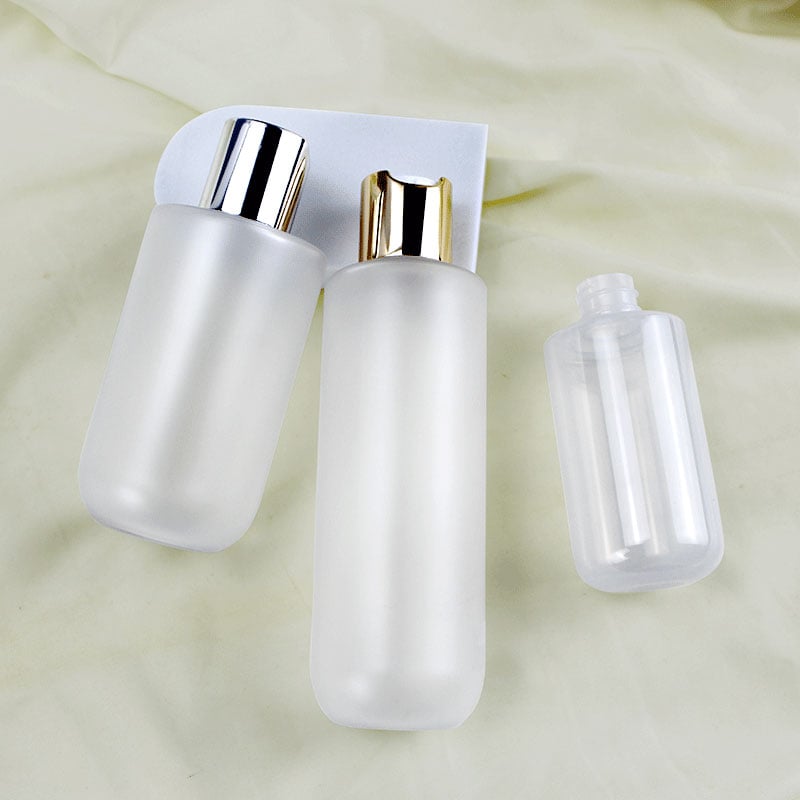
UV-resistant glass fundamentally transforms how a cosmetic jar performs in real-world conditions. Light exposure represents one of the most damaging threats to skincare formulations, affecting potency, color stability, and consumer satisfaction. When UV rays penetrate standard glass containers, they degrade active ingredients, compromise product integrity, and reduce shelf life significantly. Understanding this relationship helps beauty brands make informed packaging decisions that protect their investment, safeguard sensitive compounds, and maintain long-term customer trust.
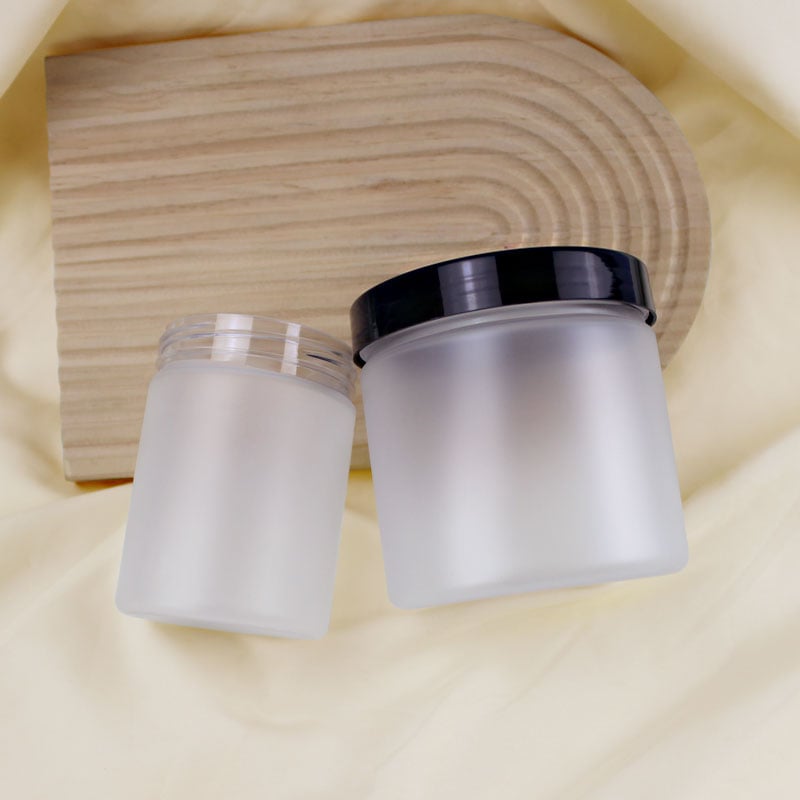
Glass cosmetic containers with UV protection represent a strategic, high-value investment in product quality and brand reputation. The difference between standard clear glass and UV-resistant formulations directly impacts how long formulations remain effective on retail shelves and in customer bathrooms. Beauty companies recognize that sustainable packaging solutions must also deliver functional protection, creating rising demand for engineered glass options that block harmful radiation while maintaining aesthetic appeal, premium sensory texture, and environmental responsibility.
How UV Protection Preserves Active Ingredients
Chemical Degradation Prevention
UV rays trigger photodegradation, a destructive chemical process that breaks delicate molecular bonds in high-performance skincare actives like retinol, vitamin C, botanical extracts, and peptides. Standard transparent glass allows 40 to 60 percent of UV-A and UV-B radiation to penetrate, gradually destroying these costly ingredients. UV-resistant glass formulations incorporate iron oxide and other specialized light-filtering compounds that reflect or absorb harmful wavelengths before they reach the product inside. This targeted defense preserves ingredient efficacy throughout the entire product lifecycle, from manufacturing through daily consumer use.
Oxidation Resistance
Light exposure accelerates oxidation, causing natural oils, botanical extracts, and sensitive compounds to become rancid or discolored. Glass cosmetic containers with UV protection minimize this risk by blocking the photo-energy that drives oxidative reactions. Products remain fresher longer, maintaining their original color, scent, and sensory characteristics. This structural stability directly impacts consumer perception, as discolored or separated products often get discarded prematurely regardless of actual efficacy, representing lost revenue and damaged consumer trust for beauty brands.
Performance Benefits in Retail and Storage Environments
Extended Shelf Life
UV-resistant glass extends product shelf life by two to three times compared to standard clear containers. Retailers benefit from reduced shrinkage and damaged inventory, while brands gain competitive advantages through products that maintain stability during longer sales and distribution cycles. Beauty companies can confidently promise consistent product performance across diverse distribution channels, whether stored in bright retail environments or sunlit customer homes. This reliability strengthens brand loyalty and drastically reduces customer returns due to product degradation.
Reduced Label Claims and Compliance Issues
Products protected by UV-resistant glass require less frequent reformulation adjustments or heavy chemical stabilizers for preservation. Airless pump bottles combined with UV-resistant glass create optimal micro-environments where lower preservative concentrations suffice, directly addressing growing consumer preferences for cleaner ingredient lists. Regulatory compliance becomes simpler when formulations remain chemically stable throughout their claimed shelf life without over-relying on synthetic preservatives. This functional synergy supports clean beauty positioning while delivering genuine, measurable product integrity.
Sustainable Packaging Solutions With Functional Protection
Environmental and Performance Synergy
Sustainable packaging solutions now incorporate advanced UV protection as a core performance feature rather than an afterthought. Recycled glass formulated with UV-blocking properties delivers dual benefits: environmental responsibility and enhanced product performance. Beauty brands increasingly choose these containers because they align seamlessly with consumer values around sustainability while simultaneously solving real formulation preservation challenges. This dual-action approach reduces waste from spoiled products while supporting circular economy goals.
Industry Adoption Trends
Premium skincare brands now specify UV-resistant glass as a non-negotiable standard in their packaging procurement processes. Airless pump bottles paired with tinted or protective glass create the highest-performing preservation systems available for light-sensitive formulations like concentrates, serums, and treatment oils. The global cosmetic jar market is shifting decisively toward options that actively protect product integrity rather than merely containing it. Forward-thinking beauty companies recognize that packaging performance directly impacts brand credibility, consumer loyalty, and long-term customer retention rates.
FAQ
What percentage of UV radiation does UV-resistant glass block?
High-quality UV-resistant glass typically blocks 95 to 99 percent of harmful UV-A and UV-B rays. The exact percentage depends on the specific glass formulation, wall thickness, and whether custom tinting agents are incorporated during manufacturing. Most professional-grade glass cosmetic containers used by premium beauty brands achieve blocking rates above 98 percent, ensuring maximum protection for sensitive formulations throughout their intended shelf life.
Can UV-resistant glass cosmetic containers accommodate airless pump bottles?
Yes, UV-resistant glass works exceptionally well when integrated with airless pump bottles. This combination creates a superior dual-shield delivery system where the protective glass provides light blocking and the airless pump mechanism eliminates oxygen exposure entirely. Together, they form a comprehensive preservation system that extends shelf life significantly and maintains ingredient potency better than either technology used in isolation.
How does UV protection compare to sustainable packaging solutions?
UV protection and sustainable packaging are complementary rather than competing priorities. Modern glass cosmetic containers achieve both by utilizing post-consumer recycled materials expertly formulated with UV-blocking mineral properties. Brands no longer need to compromise or choose between environmental responsibility and high-performance product protection. The best sustainable packaging solutions now deliver robust functional protection alongside clear ecological benefits.