
 EN
EN
A soap bottle is far more than a simple container for cleansing products. It represents a practical, hygienic, and economical solution for maintaining personal and professional hygiene standards. Whether you use a liquid soap dispenser in your home bathroom, kitchen, or workplace, the benefits of a properly designed soap bottle extend well beyond basic functionality. Understanding these advantages can help you make informed decisions about hygiene product storage and consumption patterns.
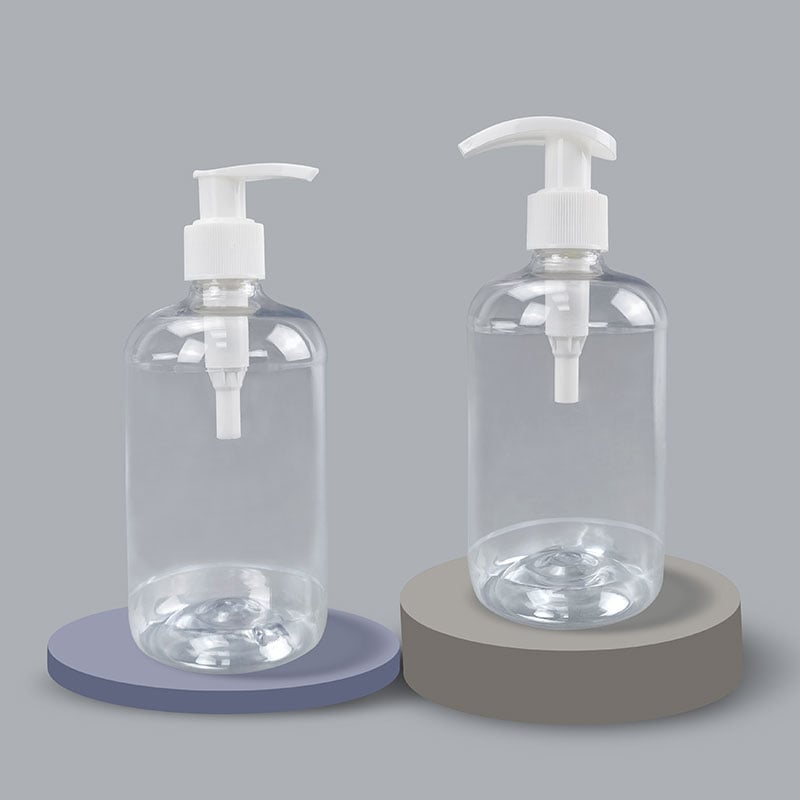
Modern soap bottles have evolved significantly from traditional bar soap storage methods. A refillable soap container provides consistent dispensing control, reducing waste and extending the lifespan of your cleaning products. The pump bottle for soap mechanism ensures precise application while minimizing contamination and cross-transfer of bacteria. This evolution reflects growing consumer awareness about sustainability, efficiency, and effective hygiene practices in today's health-conscious environment.
Enhanced Hygiene and Safety Standards
Contamination Reduction Through Controlled Dispensing
The primary hygiene advantage of a pump bottle for soap lies in its sealed design and controlled dispensing mechanism. Unlike bar soap, which accumulates residue and bacteria over time, a liquid soap dispenser maintains product integrity throughout its usage lifecycle. The pump activation system eliminates hand-to-product contact, significantly reducing cross-contamination in shared spaces such as kitchens, bathrooms, and workplace facilities. This controlled delivery mechanism makes a soap bottle especially valuable in healthcare settings, food preparation areas, and environments where hygiene standards are critically monitored.
Bacterial Growth Prevention
Bar soap creates an environment where bacteria and microorganisms accumulate on its surface between uses. A refillable soap container, particularly one with a pump mechanism, prevents moisture pooling and bacterial colonization. The enclosed design of a liquid soap dispenser maintains product purity and prevents airborne contaminants from compromising the formulation. Studies show that soap bottles with sealed pump systems reduce microbial counts significantly compared to open containers or solid alternatives, making them an ideal choice for health-conscious households and commercial operations.
Economic and Environmental Advantages
Cost Efficiency and Reduced Waste
A refillable soap container dramatically reduces overall cleaning product expenses by minimizing waste and product loss. Pump bottle for soap designs dispense precise amounts per use, preventing the excessive consumption common with bar soap or open containers. Bulk refilling becomes economical at scale, particularly for businesses managing multiple restrooms or high-traffic facilities. The refillable nature of modern soap bottles eliminates single-use packaging waste, making them an environmentally responsible choice. Over a year, switching to a refillable soap container can reduce cleaning product expenditure by thirty to fifty percent while lowering household waste generation.
Sustainability and Environmental Impact
The liquid soap dispenser represents a significant step toward sustainable living practices. By investing in a refillable soap container, you actively participate in reducing plastic waste and packaging consumption. Many soap bottles are manufactured from recyclable materials, and their durable construction allows years of reliable service. Unlike disposable bar soap packaging, a quality pump bottle for soap serves multiple refill cycles, substantially lowering the environmental footprint associated with personal hygiene routines. This sustainability advantage appeals to environmentally conscious consumers and organizations committed to corporate social responsibility initiatives.
Convenience and Practical Benefits
User Experience and Ease of Application
A soap bottle offers superior convenience compared to traditional bar soap alternatives. The pump mechanism of a liquid soap dispenser enables single-handed operation, making it ideal for quick handwashing during busy daily routines. The consistent foam or liquid output ensures predictable cleansing performance, eliminating the need to search for sufficient suds. A refillable soap container requires minimal maintenance, simply needing periodic refilling rather than frequent replacement purchases. This convenience factor enhances user compliance with proper hygiene protocols, particularly among children and in public facilities where accessibility influences hand-washing frequency.
Versatility and Space Efficiency
A soap bottle accommodates various formulations, from liquid hand wash to antibacterial solutions and specialty cleansers. The compact design of most pump bottle for soap models fits seamlessly into tight bathroom or kitchen spaces without cluttering countertops. A refillable soap container maintains consistent sizing across refill cycles, unlike bar soap which diminishes unpredictably. The uniform appearance of multiple soap bottles in commercial settings projects professionalism and organization. Whether placed in bathrooms, kitchens, offices, or public facilities, a well-designed soap bottle enhances both functionality and aesthetic appeal while maintaining reliable performance throughout its service life.
FAQ
How often should I refill a refillable soap container?
Refilling frequency depends on usage volume and household size. High-traffic bathrooms may require weekly refilling, while light-use containers might last several weeks. Monitoring the soap bottle's fill level and planning refills during routine shopping trips ensures you never run out unexpectedly. Tracking consumption patterns helps you stockpile refills efficiently and maintain consistent hygiene product availability.
Are liquid soap dispensers more cost-effective than bar soap?
Yes, a pump bottle for soap generally proves more economical over time. The precise dispensing mechanism of a liquid soap dispenser prevents waste, and bulk refilling costs less per ounce than purchasing individual bars repeatedly. A refillable soap container's durability means you purchase the container only once, then repeatedly buy affordable refill quantities. For families and businesses with significant soap consumption, switching to a soap bottle yields substantial long-term savings.
Can I use any liquid soap in my pump bottle?
Most liquid soap formulations work in a standard pump bottle for soap, though consistency affects performance. Thick formulas may require dilution, while very thin solutions might dispense inconsistently. A refillable soap container designed with adjustable pump mechanisms accommodates various viscosities effectively. Always check your soap bottle's specifications and avoid oils or abrasive particles that could damage the pump mechanism.