
 EN
EN
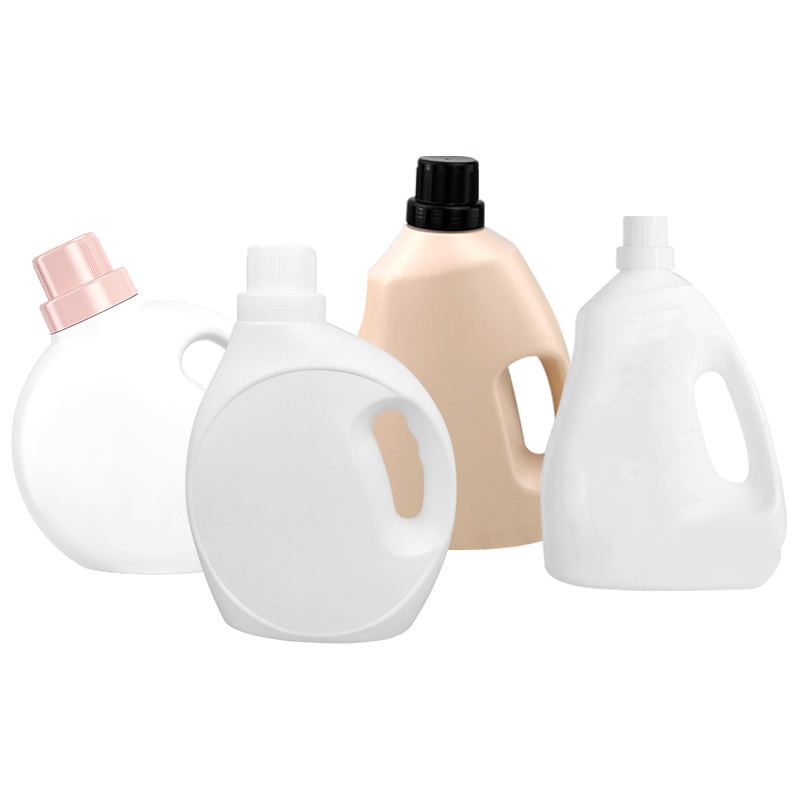
Refilling a detergent bottle is an environmentally conscious choice that reduces plastic waste and packaging costs. However, many households and businesses overlook critical safety considerations when reusing cleaning product containers. Understanding the proper procedures ensures your laundry detergent remains effective, prevents cross-contamination, and keeps your family safe from chemical hazards.
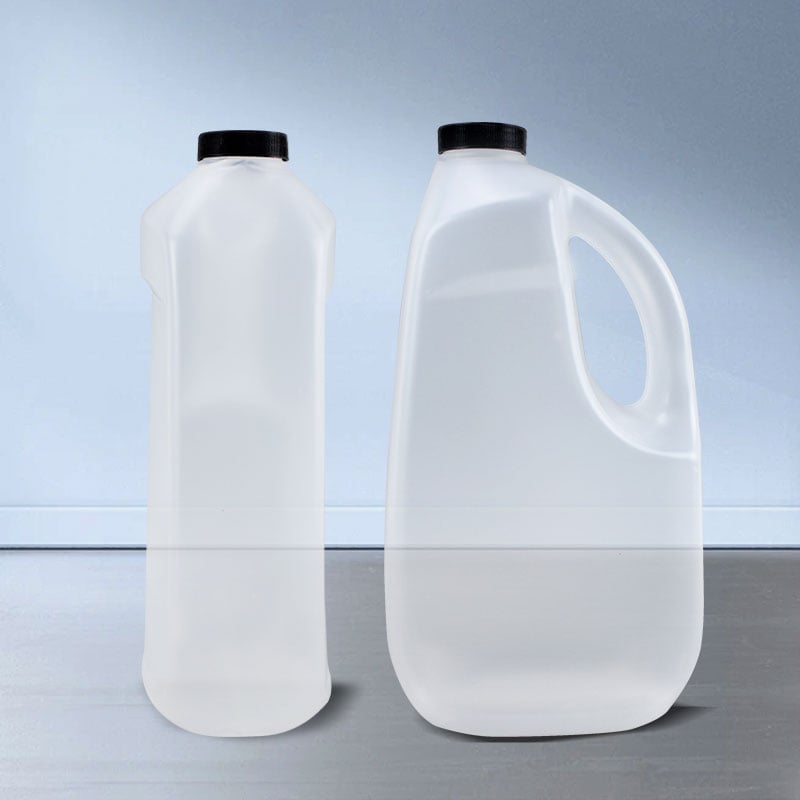
The process of refilling containers requires careful attention to material compatibility, cleaning protocols, and labeling standards. Whether you refill at home or in an industrial setting, knowing the risks and safeguards transforms a simple task into a responsible practice. This guide covers everything you need to safely refill your detergent bottle and maintain product integrity throughout its life cycle.
Understanding Container Material Compatibility
Plastic Types and Chemical Resistance
Not all plastic detergent dispensers are created equal. Polyethylene terephthalate (PET) and high-density polyethylene (HDPE) are the most common materials for laundry detergent packaging, offering excellent chemical resistance. When refilling, verify that your cleaning product containers are made from compatible plastics. Lower-grade plastics can degrade when exposed to concentrated detergent, potentially leaking harmful chemicals or breaking down into microparticles.
Polypropylene (PP) plastic detergent dispenser units are particularly durable for concentrated formulas. These materials maintain structural integrity through multiple fill cycles and resist degradation from alkaline or acidic cleaning compounds. Before purchasing a new detergent bottle or reusing an existing one, check the recycling symbol on the bottom to confirm material compatibility with your specific detergent formula.
Degradation Risks and Inspection Protocols
Repeated refilling can stress plastic molecules, particularly at seams and stress points. Always inspect your plastic detergent dispenser for hairline cracks, clouding, or brittleness before filling. These warning signs indicate the container has reached the end of its safe reuse life. Degraded cleaning product containers may leak during storage or use, creating slip hazards and wasting expensive detergent.
Check the caps and threads carefully as well. Worn or damaged seals fail to maintain an airtight environment, allowing detergent to evaporate or thicken improperly. Replace containers showing these signs to prevent product loss and maintain consistent cleaning performance in your laundry routine.
Proper Cleaning and Preparation Methods
Thorough Residue Removal Process
Before refilling any plastic detergent dispenser, remove all residual product completely. Dried detergent films and concentrated sludge at the bottom introduce contaminants into fresh formulas. Start by rinsing the container with hot water multiple times, using a bottle brush to scrub interior walls and crevices where residue hides. Pay special attention to the base, cap threads, and dispenser nozzle where old product accumulates most heavily.
For stubborn buildup in cleaning product containers, fill halfway with warm water and add a small amount of white vinegar or plain detergent. Cap and shake vigorously for one minute, then rinse thoroughly. Repeat if necessary until water runs completely clear. This step prevents chemical reactions between old and new formulas that could reduce cleaning effectiveness or create unexpected odors.
Sterilization and Drying Standards
Clean containers must dry completely before refilling to prevent dilution of your laundry detergent packaging contents. Moisture remaining inside the bottle weakens detergent concentration and promotes bacterial or mold growth in stored products. Turn bottles upside down in a clean, well-ventilated area for at least two hours, ensuring all water drains completely. For plastic detergent dispenser units with complex internal mechanisms, consider using compressed air or a hair dryer on low setting to speed moisture removal.
Never refill a still-damp detergent bottle. Even small amounts of water compromise product performance and shelf stability. If time is limited, use lint-free paper towels or microfiber cloths to wipe internal surfaces dry before filling, ensuring minimal moisture remains in the container.
Safe Refilling and Storage Guidelines
Proper Filling Techniques and Volume Control
When refilling your cleaning product containers, use a clean funnel to minimize spillage and prevent cross-contamination. Pour slowly and deliberately, watching for foam or bubbling that indicates improper filling or aeration. Leave at least one inch of headspace at the top of the plastic detergent dispenser to allow for thermal expansion and prevent pressure buildup during temperature fluctuations or storage.
Measure your detergent carefully to match the container's rated capacity. Overfilling stresses seals and increases leak risk, particularly in older laundry detergent packaging or dispensers that have been refilled multiple times. Use gravity to settle the liquid, then add small amounts until reaching the marked fill line, ensuring proper seal engagement when capping.
Labeling, Storage Conditions, and Safety Protocols
After refilling, immediately label the detergent bottle with the product name, fill date, and expiration date using waterproof markers or labels. This crucial step prevents accidental misuse and ensures proper product rotation in household or commercial cleaning product containers. In shared environments, include hazard warnings and usage instructions matching original packaging standards.
Store your filled cleaning product containers in cool, dry locations away from direct sunlight, which degrades detergent formulas and weakens plastic over time. Maintain temperatures between 50°F and 85°F for optimal stability. Keep the plastic detergent dispenser away from high-traffic areas where it might get knocked over, and store separately from food, medications, and children's items. Proper storage extends both product life and container durability, maximizing the value of refilling your detergent bottle.
FAQ
How many times can you safely refill a laundry detergent packaging container?
Most quality plastic detergent dispenser units can safely be refilled 5 to 10 times before material degradation becomes a concern. The exact number depends on container material, detergent chemistry, storage conditions, and handling practices. Inspect your cleaning product containers before each refill for visible damage, brittleness, or seal wear. When you notice any deterioration, retire the container and use a fresh one to maintain safety and product performance standards.
What should you do if residue builds up inside the detergent bottle?
Residue accumulation requires more aggressive cleaning than routine rinsing. Fill the plastic detergent dispenser halfway with hot water mixed with equal parts white vinegar or dish soap. Let it soak for 30 minutes, then cap and shake forcefully for two minutes. Scrub with a bottle brush, particularly targeting the bottom and corners where laundry detergent packaging typically shows the worst buildup. Rinse repeatedly until water runs completely clear before drying thoroughly.
Can you refill cleaning product containers with different detergent formulas?
Yes, but only after thorough cleaning to prevent formula incompatibility. Different detergent types may contain incompatible chemicals that react negatively when mixed, causing discoloration, separation, or reduced cleaning power. Always ensure the detergent bottle and all cleaning product containers are completely empty, cleaned, and dried before switching to a different formula. If switching from highly concentrated to standard formulas or vice versa, pay extra attention to residue removal to prevent unexpected dilution or concentration issues.