
 EN
EN
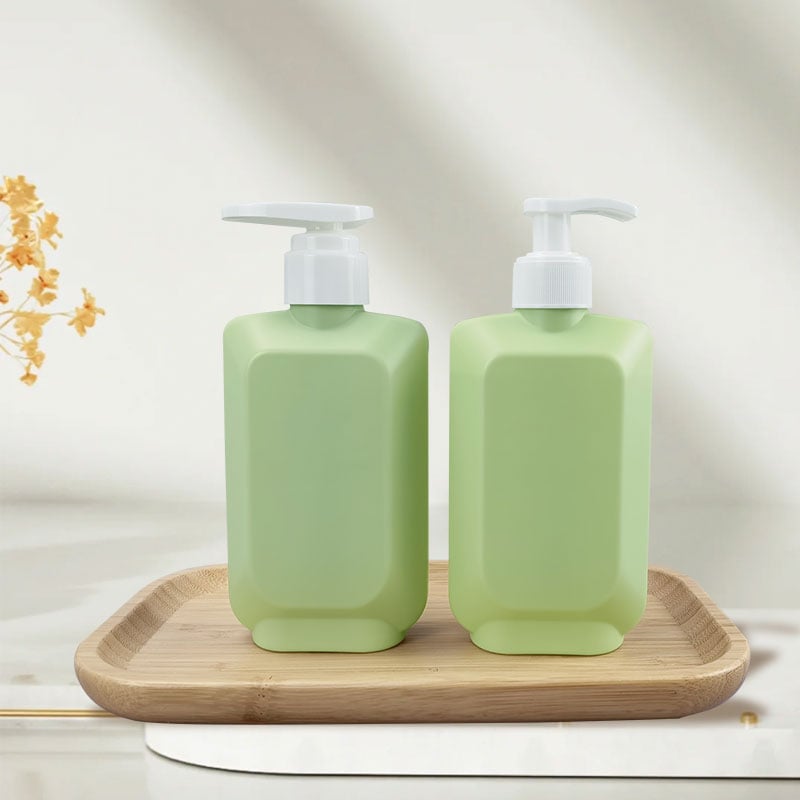
An hdpe bottle represents one of the most versatile and reliable plastic bottle storage solutions in industrial and commercial applications today. High-density polyethylene containers dominate the market because they combine durability, chemical resistance, and environmental responsibility in a single packaging format. Understanding the key properties of these bottles is essential for manufacturers, distributors, and end-users who depend on consistent quality and performance in their supply chains.
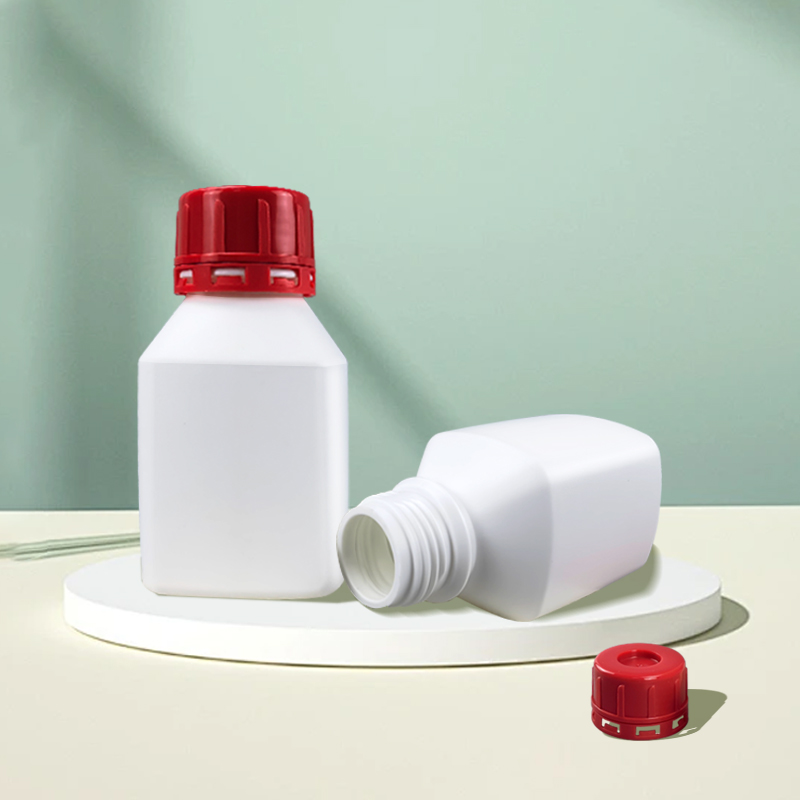
The distinctive characteristics of high-density polyethylene containers make them the material of choice for demanding storage applications across pharmaceuticals, chemicals, food, and personal care industries. These recyclable plastic bottles offer superior strength-to-weight ratios, excellent barrier properties, and proven long-term stability. Whether you are selecting packaging for hazardous chemicals, sensitive reagents, or everyday consumer products, the properties of plastic bottle storage options directly impact product safety, shelf life, and regulatory compliance.
Mechanical Strength and Durability
Impact Resistance and Structural Integrity
High-density polyethylene containers exhibit exceptional impact resistance that protects contents during manufacturing, transportation, and storage. The dense polymer chain structure of HDPE bottles creates a rigid yet flexible material capable of withstanding mechanical stress without cracking or deforming. This mechanical robustness means products remain protected even in harsh warehouse environments, rough handling scenarios, and temperature fluctuations. The strength-to-weight advantage of high-density polyethylene container designs reduces shipping costs while maintaining full structural integrity throughout the product lifecycle.
Rigidity and Load-Bearing Capacity
The rigidity of recyclable plastic bottles manufactured from high-density polyethylene enables them to maintain shape under stacking pressure and during palletization operations. Unlike flexible plastic materials, HDPE bottles resist deformation even when multiple units are stacked vertically for warehouse storage. This load-bearing capacity is crucial for commercial plastic bottle storage applications where hundreds or thousands of units occupy the same space. The consistent dimensional stability ensures accurate inventory tracking, efficient space utilization, and reduced damage claims during distribution.
Chemical Resistance and Compatibility
Barrier Properties Against Common Substances
High-density polyethylene container materials provide excellent resistance to a broad spectrum of chemicals, including acids, bases, alcohols, and many organic solvents. This chemical compatibility is one of the primary reasons industrial plastic bottle storage relies so heavily on HDPE formulations. The polymer structure creates an effective barrier that prevents permeation of most aggressive substances, protecting both the product integrity and the environment. Manufacturers and chemical distributors depend on this chemical resistance to safely store reagents, cleaners, pharmaceuticals, and specialized industrial liquids without container degradation or product contamination.
Temperature and Environmental Stability
Recyclable plastic bottles made from high-density polyethylene maintain their chemical resistance across a wide temperature range, typically from minus twenty to eighty degrees Celsius depending on the specific formulation. This thermal stability ensures that HDPE bottles perform reliably in cold storage facilities, ambient warehouse conditions, and even heated transportation scenarios. The polymer does not become brittle at low temperatures or excessively soft at elevated temperatures, making it ideal for diverse climate conditions and seasonal storage requirements. Environmental factors such as UV exposure can be managed through pigmentation options, further extending the service life of plastic bottle storage solutions.
Environmental and Regulatory Advantages
Recyclability and Circular Economy Integration
Recyclable plastic bottles manufactured from high-density polyethylene are widely accepted in municipal and industrial recycling programs worldwide, supporting circular economy objectives and corporate sustainability commitments. The material code number two designation makes HDPE bottles easily identifiable for sorting and reprocessing into secondary applications. This recyclability provides significant environmental benefits compared to single-use plastics or non-recyclable alternatives. Businesses utilizing high-density polyethylene container packaging can confidently communicate their environmental responsibility to customers and regulators, differentiating their brand in increasingly sustainability-conscious markets.
Regulatory Compliance and Safety Standards
High-density polyethylene containers meet stringent regulatory requirements established by agencies including the FDA, EPA, and international standards organizations for food contact, pharmaceutical, and chemical storage applications. The material is non-toxic and does not leach harmful substances into stored contents under normal use conditions. Manufacturers can select from FDA-approved formulations for food and pharmaceutical storage, or specialized chemical-grade HDPE for industrial applications. This regulatory compliance eliminates liability concerns and ensures plastic bottle storage solutions meet all applicable laws across different jurisdictions and industries.
FAQ
What makes HDPE bottles superior to other plastic materials for storage applications?
High-density polyethylene containers surpass alternative plastics in the critical combination of mechanical strength, chemical resistance, temperature stability, and recyclability. While other plastics may excel in individual properties, HDPE bottles deliver balanced performance across all requirements simultaneously, making them the economical and practical choice for diverse industrial applications. The widespread availability and standardized production of recyclable plastic bottles ensures consistent quality and competitive pricing compared to specialty materials.
Can HDPE bottles safely store corrosive chemicals and hazardous materials?
Yes, high-density polyethylene container materials are specifically formulated to safely contain most corrosive chemicals, acids, bases, and hazardous substances in laboratory and industrial settings. However, certain highly aggressive solvents or specialized chemicals may require compatibility testing before use. Manufacturers should consult compatibility charts and conduct sample testing with their specific products to confirm that plastic bottle storage in HDPE is appropriate for their intended application and duration.
How do HDPE bottles contribute to sustainability and environmental responsibility?
Recyclable plastic bottles made from high-density polyethylene can be processed into new containers, industrial applications, or other products, reducing reliance on virgin polymer production and associated environmental impacts. The lightweight design of HDPE bottles reduces transportation emissions compared to heavier alternative materials. By integrating these containers into corporate sustainability programs and communicating recycling information to consumers, businesses demonstrate environmental commitment while utilizing cost-effective, performance-proven plastic bottle storage solutions.