 EN
EN
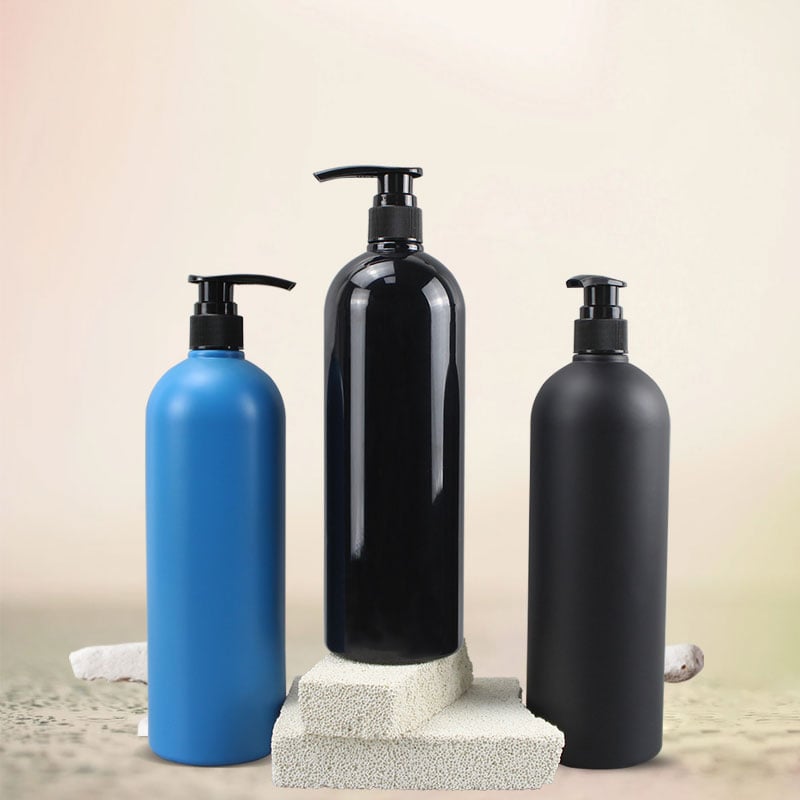
The right cosmetic packaging does far more than make your products look attractive on store shelves. It serves as the critical barrier between your formulations and environmental hazards that can compromise quality, safety, and customer satisfaction. Whether you're formulating skincare serums, color cosmetics, or body care products, understanding the mechanics of effective packaging protection is essential for maintaining product integrity from manufacture to consumer application.
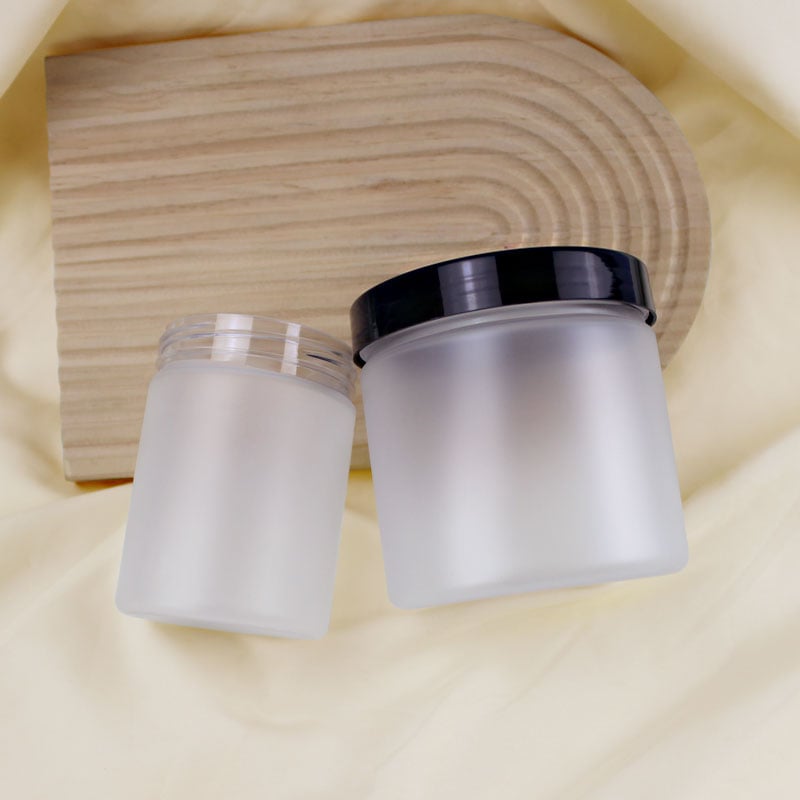
Modern beauty brands face increasing pressure to balance protection requirements with sustainability goals. Custom cosmetic containers now incorporate both performance standards and eco-conscious materials, enabling businesses to protect their formulations while meeting consumer expectations for environmental responsibility. The challenge lies in selecting packaging that addresses moisture ingress, oxidation, light exposure, and temperature fluctuations without adding unnecessary waste or cost.
Understanding Core Protection Mechanisms
Barrier Properties and Material Selection
Effective cosmetic packaging begins with understanding barrier technology. Different product types require specific barrier levels depending on their formulation sensitivity. Water-based products need protection against moisture loss and microbial contamination, while oil-rich formulations must resist oxidation that can cause rancidity and color changes. Selecting the right custom cosmetic containers means matching material properties to product chemistry. Glass provides superior oxygen and moisture barriers but adds weight and breakage risk. Plastics like PET and HDPE offer lightweight flexibility with moderate barrier performance. Aluminum-lined containers deliver exceptional protection for premium formulations requiring absolute stability.
Seal Integrity and Closure Systems
The seal between container and closure represents the first line of defense in eco-friendly cosmetic boxes and standard packaging alike. Poor seal integrity compromises all barrier protection efforts by creating pathways for air, moisture, and contaminants to enter. Tamper-evident closures serve dual functions: they protect product quality and customer safety while signaling package integrity. Whether using threaded caps, pump dispensers, or dropper systems, closure fit and sealing material must be validated through accelerated stability testing to ensure protection throughout the product's shelf life.
Environmental and Storage Challenges
Light, Heat, and Humidity Protection
Light exposure degrades many cosmetic actives, particularly vitamins, botanical extracts, and unstable colorants. Opaque or tinted cosmetic packaging prevents photodegradation by blocking UV wavelengths that trigger chemical breakdown. Temperature fluctuations accelerate oxidation and can destabilize emulsions or suspensions, making storage-appropriate container design critical. Humidity infiltration promotes microbial growth, accelerates ingredient degradation, and can cause color separation. Sustainable beauty packaging that combines these protective functions with minimal material thickness requires advanced formulation and structural engineering.
Chemical Compatibility and Migration
Packaging materials must remain chemically inert relative to product formulations. Certain cosmetic ingredients—particularly essential oils, salts, and concentrated alcohols—can leach additives from plastic containers or cause material swelling. Custom cosmetic containers must be tested with actual product formulations to ensure no migration occurs that could alter product appearance, efficacy, or safety profile. This compatibility assessment is often overlooked but represents a fundamental aspect of effective protection strategy.
Sustainable Innovation in Protective Packaging
Balancing Protection with Environmental Goals
Eco-friendly cosmetic boxes have evolved beyond simple aesthetic choices. Modern sustainable beauty packaging incorporates recycled content, biodegradable materials, and minimal-waste design without sacrificing protection standards. Glass with recycled content maintains superior barrier properties while reducing environmental impact. Plant-based plastics like PHA demonstrate promising barrier performance with reduced carbon footprint. The key challenge involves maintaining adequate protective function across shelf-life while meeting environmental commitments, requiring collaboration between formulators and packaging engineers.
Design Optimization and Resource Efficiency
Effective cosmetic packaging design reduces material thickness while maintaining barrier integrity through engineering innovation. Wall rib patterns, material layering, and closure geometry optimize structural performance without excess material. Custom cosmetic containers developed through rigorous testing demonstrate that protection goals and waste reduction can align. Brands pursuing both protection excellence and environmental responsibility benefit from design collaboration with packaging specialists who understand formulation requirements and can specify materials that deliver measurable protection gains.
FAQ
What factors determine whether cosmetic packaging adequately protects products?
Adequate protection depends on barrier properties matching product formulation sensitivity, seal integrity preventing air and moisture ingress, and material chemical compatibility with specific ingredients. Stability testing under accelerated conditions—elevated temperature, humidity, and light exposure—reveals whether custom cosmetic containers maintain product quality throughout expected shelf life. Environmental factors like storage conditions, transportation handling, and retail display duration also influence protection requirements.
Can sustainable beauty packaging provide the same protection level as conventional options?
Yes, when properly engineered. Eco-friendly cosmetic boxes using advanced materials like recycled glass or high-performance plant-based plastics deliver equivalent barrier performance to conventional packaging. The distinction lies in design optimization and material selection rather than fundamental protection capability. Sustainable beauty packaging requires more sophisticated engineering and material science, which can increase development costs but produces containers that balance protection, sustainability, and brand positioning effectively.
How should brands test whether their cosmetic packaging protects formulations adequately?
Accelerated stability testing simulates extended shelf life by exposing filled containers to elevated temperature, humidity, and light conditions over compressed timeframes. Testing should measure product viscosity changes, color shifts, microbial growth, ingredient degradation, and seal functionality. Custom cosmetic containers should be tested with actual finished products under conditions exceeding typical storage and transportation scenarios. Third-party stability testing provides objective validation and regulatory documentation supporting product claims and shelf-life labeling.