
 EN
EN
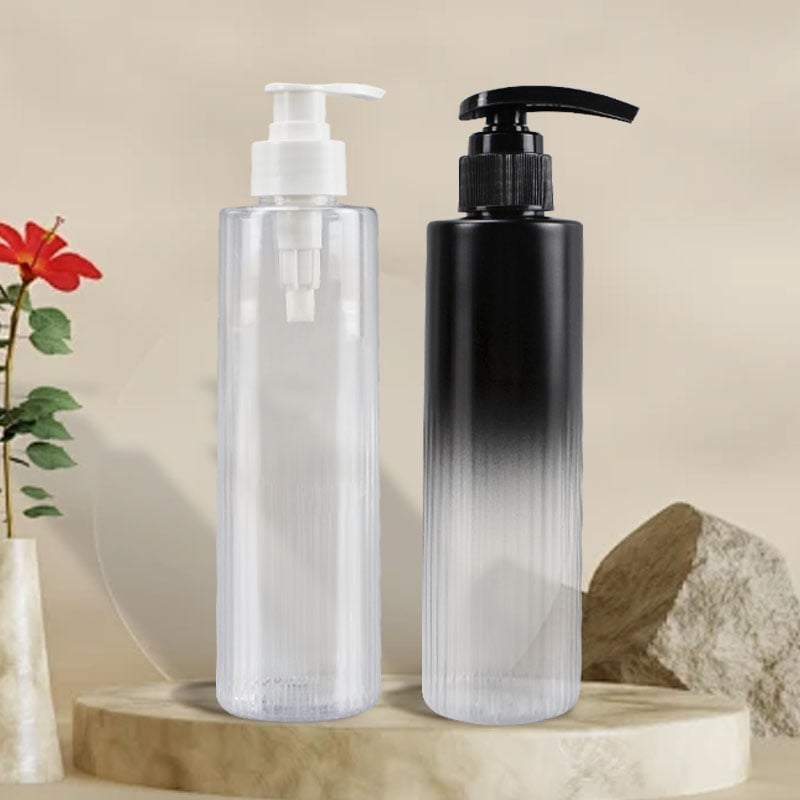
The moment a consumer walks into a store or scrolls through an online marketplace, their purchasing decision often begins before they read a single product claim or ingredient list. Cosmetic packaging serves as the silent ambassador of your brand, communicating quality, values, and trustworthiness in seconds. The design, materials, and overall presentation of cosmetic packaging directly influence whether a potential customer reaches for your product or passes it by.
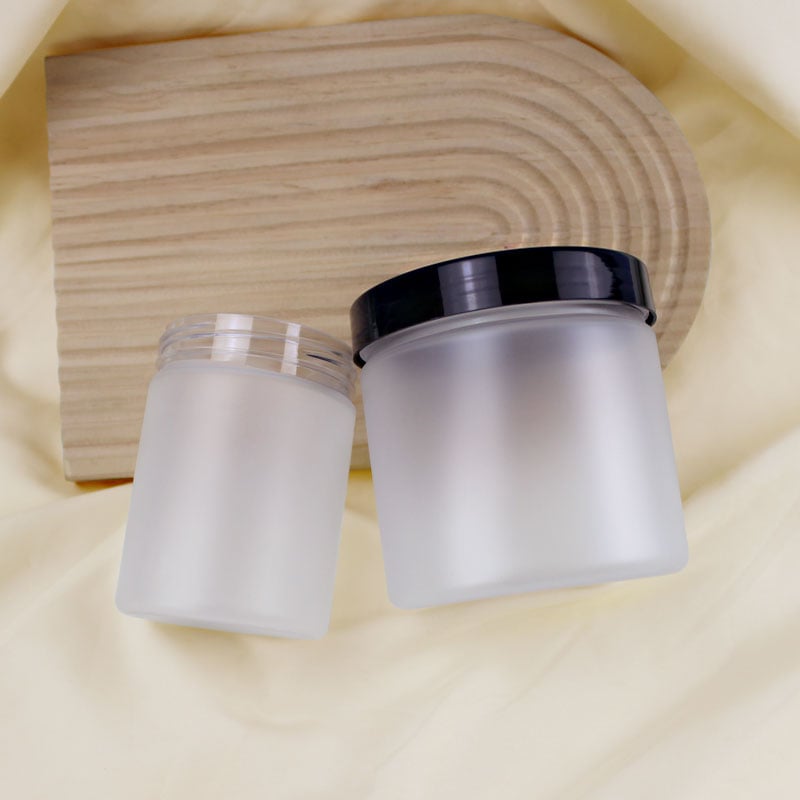
In today's competitive beauty market, consumers are not just buying products—they are buying experiences, values, and identities. The visual hierarchy, color psychology, material quality, and sustainability credentials embedded in your cosmetic packaging all work together to form the first impression that determines conversion rates and brand loyalty. Understanding how these packaging elements influence purchasing behavior is essential for brands seeking to stand out and capture market share in an increasingly crowded industry.
The Psychology of Visual Design and First Impressions
Color and Design Impact on Consumer Choice
Color is one of the most powerful tools in cosmetic packaging design. Studies consistently show that consumers make subconscious judgments about products within milliseconds of seeing them, and color accounts for 62 to 90 percent of that initial assessment. Luxury beauty brands often employ gold, silver, or deep jewel tones to evoke sophistication and exclusivity, while playful brands use vibrant or pastel hues to appeal to younger demographics. The design language of your packaging must align with your target audience's expectations and lifestyle aspirations.
Beyond color, typography, imagery, and spatial balance communicate professionalism and attention to detail. Custom cosmetic containers that showcase clean lines, premium finishes, and thoughtful layout signal that the product inside is equally well-crafted. When packaging design feels intentional and polished, consumers perceive higher quality and are willing to pay premium prices. The packaging essentially serves as a proxy for product quality before the consumer ever opens or uses the item.
Brand Recognition and Shelf Impact
Consistent visual identity across your cosmetic packaging strengthens brand recognition and encourages repeat purchases. Consumers who can instantly identify your brand among dozens of competitors on retail shelves are more likely to convert. Distinctive packaging shapes, signature colors, and recognizable design elements create mental shortcuts that drive purchasing decisions. In e-commerce environments, where customers view product images on small screens, distinctive packaging becomes even more critical for standing out in search results and social media feeds.
Sustainability and Consumer Values in Packaging Decisions
The Rising Demand for Eco-Friendly Solutions
Modern consumers, particularly millennials and Gen Z, increasingly prioritize sustainability in their purchasing decisions. Sustainable beauty packaging that uses recycled materials, biodegradable components, or innovative refillable designs resonates strongly with environmentally conscious buyers. Brands that demonstrate genuine commitment to reducing plastic waste through eco-friendly cosmetic boxes report higher customer loyalty and positive brand perception. This alignment between packaging values and consumer values directly translates to purchasing behavior and word-of-mouth advocacy.
The transparency about packaging materials and environmental impact has become a key purchasing factor. Consumers want to know whether their purchase supports or contradicts their personal values. Eco-friendly cosmetic boxes that clearly communicate certifications, material sourcing, and disposal instructions empower consumers to make choices aligned with their ethics. Brands that invest in sustainable beauty packaging gain competitive advantage and justify premium pricing through the perceived value of environmental responsibility.
Material Quality and Perceived Value
The tactile experience of handling packaging influences perceived product value and purchasing confidence. Heavy, substantial materials suggest quality and durability, while flimsy packaging raises concerns about product integrity and brand professionalism. Custom cosmetic containers made from high-grade materials—whether glass, premium plastics, or sustainable alternatives—create a tangible connection between packaging quality and product performance. This sensory feedback reinforces the decision to purchase and reduces perceived risk.
Functional Design and Consumer Convenience
Usability and Unboxing Experience
The functional aspects of cosmetic packaging significantly influence customer satisfaction and repeat purchases. Easy-to-open designs, clear ingredient labeling, proper sealing, and protection during shipping are not luxuries—they are expectations. The unboxing experience has become part of the product itself, particularly in the era of social media sharing. Packaging that is visually appealing yet functionally disappointing creates disconnect and negative reviews. Custom cosmetic containers that balance aesthetics with usability demonstrate brand maturity and customer-centric thinking.
Convenience features such as applicators, pumps, airless technology, and portion control mechanisms embedded directly into packaging solve real consumer problems and justify premium pricing. When cosmetic packaging makes product use easier, safer, or more hygienic, it becomes a functional feature that influences purchasing decisions. Brands that invest in packaging innovation that addresses actual consumer pain points see higher customer satisfaction and loyalty metrics.
Information Architecture and Trust Building
How information is organized on cosmetic packaging—ingredient lists, usage instructions, safety warnings, and certifications—affects consumer confidence in the purchase decision. Clear, readable typography and logical information hierarchy build trust and reduce purchase hesitation. Consumers who feel confident they understand what they are buying before opening the package are more likely to complete the purchase and leave positive reviews. Packaging that obscures information or uses misleading design tactics undermines trust and increases return rates.
Market Dynamics and Price Sensitivity
Premium Positioning Through Packaging
Cosmetic packaging serves as a primary tool for market positioning and price justification. Premium brands use high-end packaging materials, sophisticated design, and limited editions to maintain brand prestige and command higher prices. The packaging tells consumers whether this is a luxury product, mid-market option, or value alternative. Price expectations are often formed entirely based on packaging presentation before consumers consider performance claims or ingredient quality. Brands that get this positioning wrong—underpackaging premium products or overpackaging mass-market offerings—create cognitive dissonance that reduces purchase intent.
The economics of packaging directly influence product pricing and profit margins. Sustainable beauty packaging or custom cosmetic containers that use premium materials cost more to produce, which typically justifies higher retail prices. Consumers understand and accept these price premiums when packaging quality and environmental benefits are clearly communicated. Transparency about why packaging costs more builds confidence in pricing decisions and reduces price-related purchase resistance.
FAQ
Why does cosmetic packaging matter more than product quality alone?
Packaging is the first touchpoint that shapes consumer perception before they experience product performance. While quality matters long-term for retention, packaging drives initial purchase decisions and creates the expectation about what quality to expect. In beauty markets, perception and packaging are inseparable—packaging influences how consumers interpret product quality, brand reputation, and value proposition from the moment they encounter the product.
How do eco-friendly cosmetic boxes increase sales compared to conventional packaging?
Eco-friendly cosmetic boxes attract environmentally conscious consumers willing to pay premiums for sustainable options. This expanded customer segment represents significant market opportunity, especially among younger demographics. Sustainable beauty packaging also generates positive brand narratives and social media sharing, which drive organic marketing and customer acquisition. Brands using eco-friendly cosmetic boxes often report higher customer loyalty, repeat purchase rates, and brand advocacy.
What role do custom cosmetic containers play in brand differentiation?
Custom cosmetic containers allow brands to create unique visual identities that stand out in crowded markets. Distinctive shapes, finishes, and design elements make brands instantly recognizable and memorable. Custom solutions enable brands to align packaging with specific brand values, target audience preferences, and market positioning. This differentiation directly influences purchasing decisions by making brands feel distinctive, intentional, and deserving of consumer attention and loyalty.