
 EN
EN
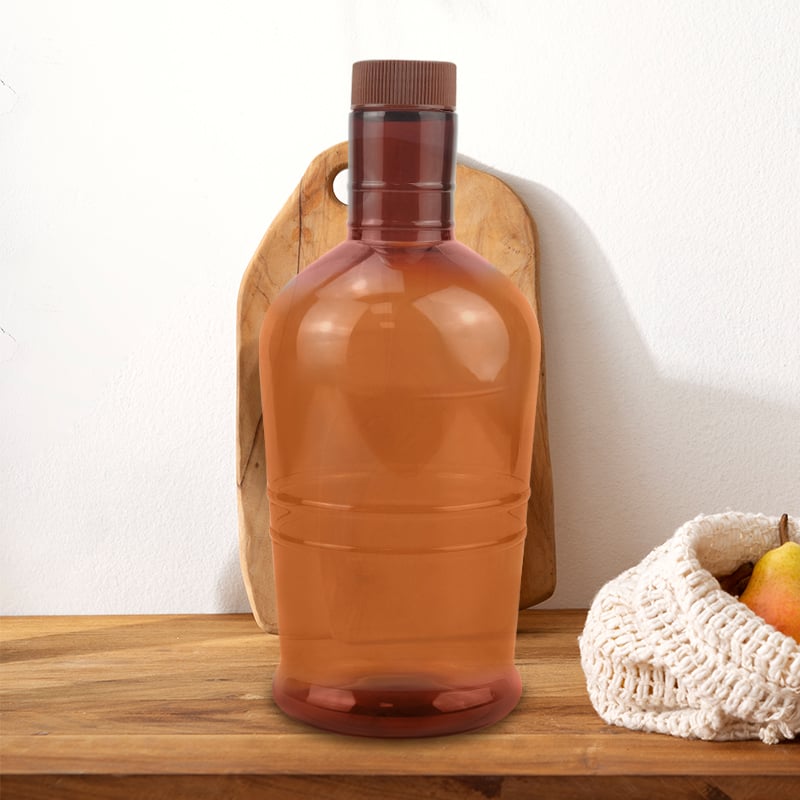
An effective sunscreen bottle design goes far beyond aesthetics. It must protect the product's integrity, preserve UV protection potency, and provide user convenience. The right sunscreen bottle balances functionality with durability, ensuring that consumers receive the full SPF benefit promised on the label. Poor design compromises the product inside, degrading efficacy over time and creating customer dissatisfaction. Understanding what makes a sunscreen bottle effective is essential for manufacturers, retailers, and consumers who depend on reliable sun protection.
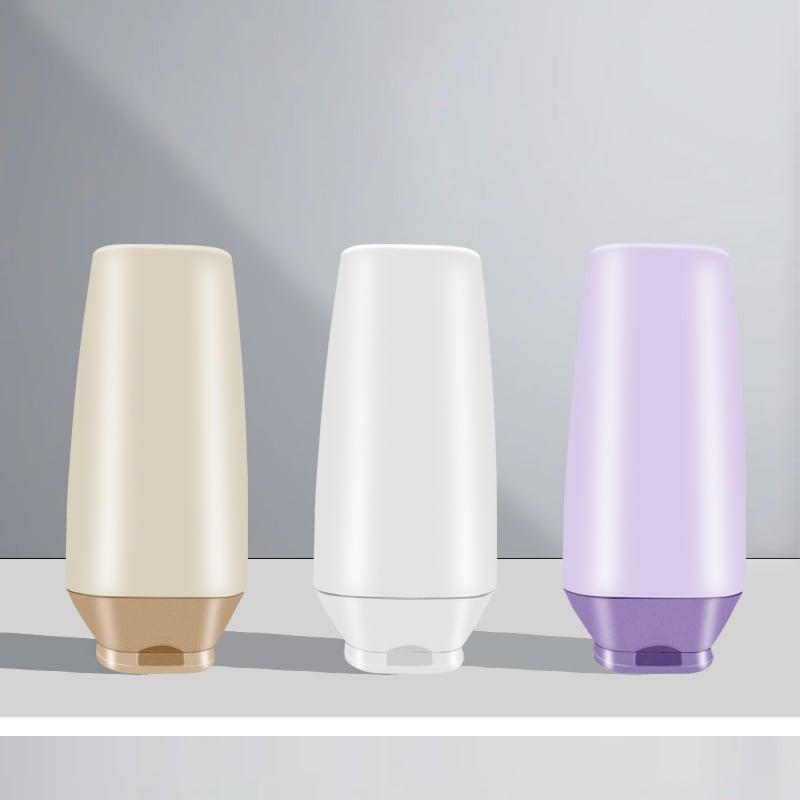
The science behind UV protection packaging reveals that light exposure, temperature fluctuations, and air contact directly degrade sunscreen formulations. A properly designed sunscreen bottle acts as a barrier against these environmental threats. From opaque materials to airless mechanisms, every component serves a protective purpose. This guide explores the critical elements that define effective sunscreen bottle performance and how they maintain product quality throughout the product lifecycle.
Material Selection and UV Protection Packaging
Opaque and UV-Blocking Materials
UV protection packaging begins with material choice. Clear or translucent containers expose sunscreen to light degradation, reducing active ingredient effectiveness. High-quality sunscreen bottle designs use opaque plastics or amber glass that block harmful UV rays. Polyethylene terephthalate (PET) and high-density polyethylene (HDPE) are commonly chosen for UV protection packaging because they offer excellent light-blocking capabilities while remaining lightweight and cost-effective. Amber or frosted finishes further enhance protection by preventing light penetration without increasing manufacturing complexity.
Chemical Compatibility and Durability
Sunscreen container materials must resist chemical degradation from active ingredients like avobenzone and octinoxate. Poor material selection causes the container to leach harmful chemicals or crack under stress. Premium sunscreen bottle formulations use food-grade plastics and medical-grade materials that meet international safety standards. Glass alternatives provide superior barrier properties for high-end products, though they increase weight and shipping costs. Selecting appropriate sunscreen container materials ensures product stability and consumer safety throughout shelf life and actual use.
Functional Design Features for Preservation
Airless and Pump Mechanisms
Airless dispensing systems represent advanced sunscreen bottle design innovation. Traditional open-mouth containers expose product to oxidation and bacterial contamination with every use. Airless pump mechanisms in premium sunscreen bottles eliminate air contact entirely, significantly extending product shelf life. These systems are particularly valuable for products containing fragile ingredients. While airless technology increases manufacturing cost, the extended product efficacy justifies the investment for consumers and brands committed to UV protection packaging integrity.
Closure System and Seal Quality
An effective sunscreen bottle requires secure closure systems that prevent evaporation and contamination. Flip-top caps, screw-on lids, and press-and-turn mechanisms each offer different protection levels. Double-sealed closures with inner foil barriers provide superior protection compared to single-seal designs. The closure must create an airtight seal while remaining user-friendly. Poorly designed closures allow moisture loss, which concentrates ingredients and alters product consistency. Testing closures under temperature variations ensures sunscreen container materials and cap systems maintain integrity during storage and transport.
Sunscreen Bottle Storage Tips and Practical Design
Temperature and Light Exposure Prevention
Sunscreen bottles must address real-world storage challenges. Most consumers store sunscreen in bathrooms exposed to heat and humidity, accelerating degradation. Effective sunscreen bottle design incorporates thermal insulation properties and reflective surfaces that minimize temperature fluctuations. Packaging guidance labels remind users to keep bottles away from direct sunlight and heat sources. Products designed with sunscreen bottle storage tips printed directly on packaging help consumers maintain product potency. Educating users about proper storage complements the physical design of the container.
Size, Portability, and User Experience
Practical sunscreen bottle design balances size with functionality. Too-large bottles create storage challenges; too-small designs require frequent repurchasing. Squeeze bottles with precision nozzles allow controlled dispensing, reducing waste while ensuring adequate application. Lightweight materials make sunscreen bottles portable for beach and travel use. Ergonomic grip zones prevent slipping when wet. Clear measurement markings help users track product levels and plan repurchasing. These user-centric features in sunscreen bottle design drive satisfaction and repeat purchases while maintaining product quality during use and storage.
FAQ
Why does UV protection packaging matter for sunscreen bottles?
UV protection packaging prevents light degradation of active sunscreen ingredients. Exposure to UV rays breaks down avobenzone and other filters, reducing SPF effectiveness. Opaque materials and light-blocking formulations in sunscreen bottle design preserve product potency, ensuring consumers receive the advertised sun protection throughout the product's shelf life and usage period.
What sunscreen container materials are best for long-term storage?
Amber glass and opaque HDPE plastic are superior sunscreen container materials for storage. Both materials block UV light effectively while resisting chemical interactions with active ingredients. Glass offers maximum protection but adds weight, while HDPE provides excellent balance between barrier properties and cost-effectiveness. Always check that materials meet pharmaceutical-grade standards for safety and compatibility.
How do sunscreen bottle storage tips extend product lifespan?
Sunscreen bottle storage tips focus on minimizing environmental exposure. Store sunscreen bottle products in cool, dark places away from direct sunlight and heat sources. Keep lids tightly sealed to prevent evaporation and oxidation. Avoid storing in humid bathrooms when possible. Following these storage practices maintains SPF integrity and product consistency for six months to two years depending on formulation and container design.