
 EN
EN
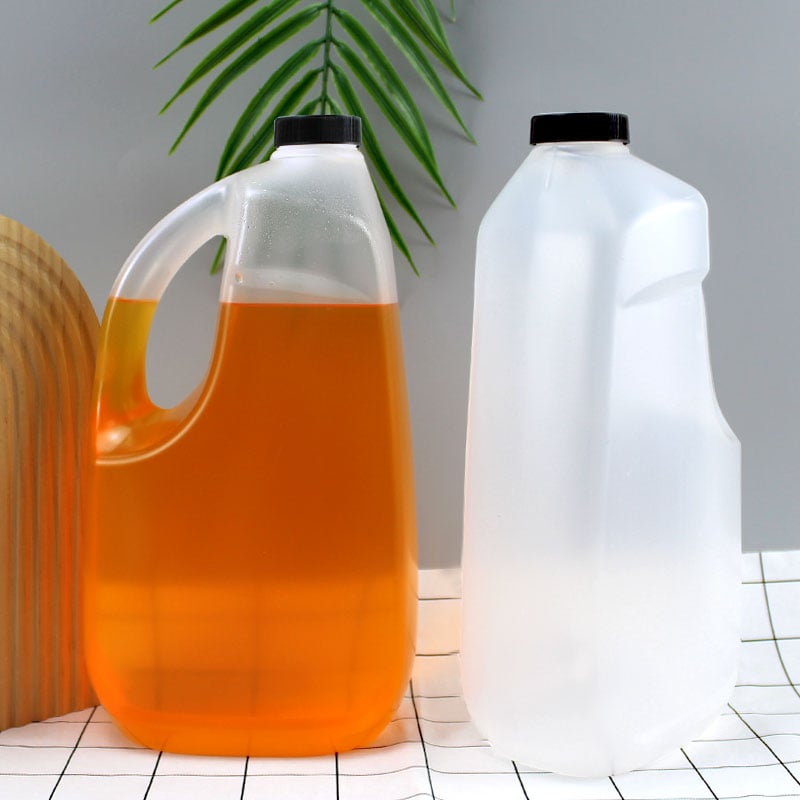
Quality assurance is the backbone of every reputable plastic bottle manufacturer. In today's competitive marketplace, consumers and businesses demand bottles that meet strict durability, safety, and performance standards. A reliable plastic bottle manufacturer must implement comprehensive quality control systems throughout the entire production cycle, from raw material selection through final packaging. This commitment to excellence ensures that every container meets or exceeds customer expectations and regulatory requirements, protecting brand reputation and consumer safety.
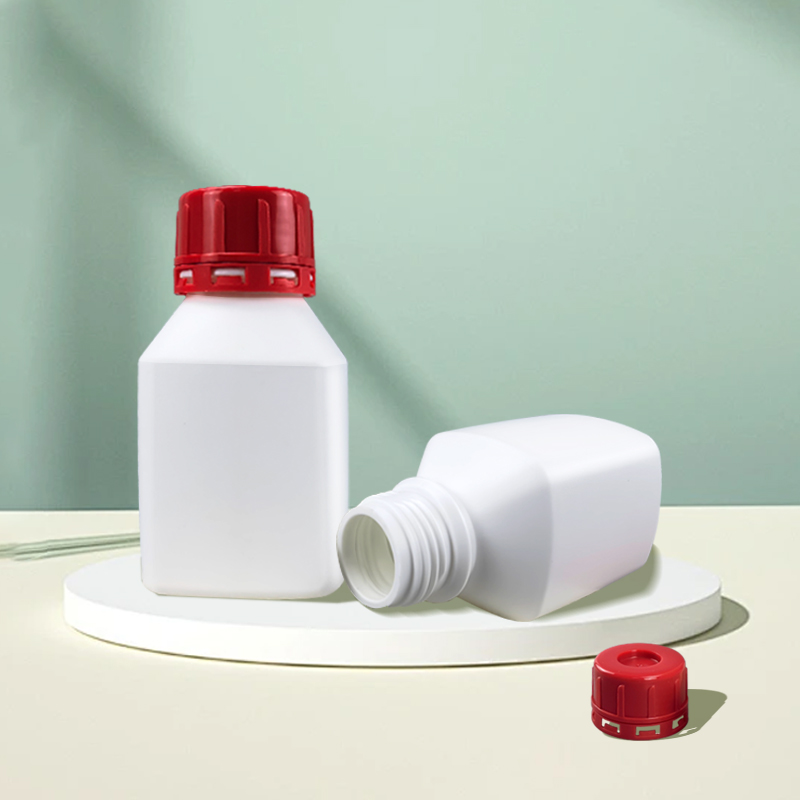
The process of ensuring product quality involves multiple interconnected strategies that distinguish leading manufacturers from average producers. A professional plastic bottle manufacturer leverages advanced technology, trained personnel, and documented procedures to achieve consistency across batches. This article explores the essential mechanisms, testing protocols, and standards that define how modern facilities maintain exceptional quality in custom plastic bottle production.
Raw Material Selection and Verification
Sourcing High-Grade Polymers
The foundation of quality begins with raw material procurement. Every plastic bottle manufacturer must establish relationships with certified suppliers who provide virgin or recycled resins meeting strict specifications. PET bottle manufacturing process begins by verifying that incoming plastic granules, powders, or resin pellets match required molecular weight, melt flow index, and purity standards. Testing facilities use equipment such as melt flow rate analyzers and rheometers to confirm material properties before accepting shipments for production.
Quality-focused manufacturers implement incoming inspection protocols that include visual examination, density testing, and contaminant screening. A plastic bottle manufacturer cannot afford material inconsistencies, as they directly impact the final container's strength, clarity, and barrier properties. Documentation systems track each material lot, enabling traceability if quality issues arise during or after production. This meticulous attention to supply chain quality prevents costly production failures and ensures that custom plastic bottle production meets predetermined specifications.
Material Conditioning and Storage
Proper storage conditions are critical to maintaining material integrity. Plastic materials absorb moisture and degrade under unsuitable temperature and humidity levels, compromising their processing characteristics. Professional plastic container production standards require climate-controlled storage areas with humidity levels typically between 40–50 percent relative humidity and temperatures maintained within defined ranges. A dedicated plastic bottle manufacturer invests in moisture analyzers and environmental monitoring systems to prevent degradation before the PET bottle manufacturing process even begins.
Manufacturing Process Control and Monitoring
Temperature and Pressure Optimization
The injection molding or blow molding stage represents a critical juncture where a plastic bottle manufacturer must maintain precise control. PET bottle manufacturing process parameters including barrel temperature, mold temperature, injection pressure, and cooling time directly influence bottle wall thickness, dimensional accuracy, and mechanical strength. Real-time monitoring systems track these variables continuously, alerting operators to deviations before defective bottles enter the production line. Statistical process control charts help identify trends, allowing proactive adjustments rather than reactive quality corrections.
Process validation studies, conducted periodically, confirm that machinery operates within acceptable tolerance ranges. A plastic bottle manufacturer documents baseline parameters and establishes upper and lower control limits for each critical variable. Custom plastic bottle production requires regular calibration of temperature sensors, pressure gauges, and timing devices to maintain measurement accuracy. This systematic approach transforms manufacturing from an art form into a reproducible science, ensuring consistency across production runs.
Dimensional and Visual Inspection
After molding, each bottle undergoes dimensional verification and visual inspection. Plastic container production standards mandate checking critical dimensions including height, outer diameter, wall thickness, and closure fit. Automated optical inspection systems detect surface defects such as cracks, sink marks, color variations, and material flaws at high speeds. A vigilant plastic bottle manufacturer combines automated systems with trained personnel who perform random manual inspections, ensuring comprehensive coverage.
Testing and Certification Standards
Pressure and Leak Testing
Functional testing validates that bottles perform as intended under real-world conditions. PET bottle manufacturing process specifications often require pressure testing to confirm that containers withstand internal pressures without rupturing or leaking. A plastic bottle manufacturer employs vacuum decay testers, pressure decay systems, and helium leak detectors to verify container integrity. Leak testing identifies micro-cracks or seal failures that could compromise product safety during storage, transportation, or consumer use.
Drop tests, thermal cycling tests, and chemical compatibility studies assess durability under stress conditions. Custom plastic bottle production frequently involves testing against specific product contents to ensure the material does not degrade or contaminate the packaged substance. A responsible plastic bottle manufacturer maintains records of all test results, providing documentation to customers and regulatory bodies as proof of quality assurance. This comprehensive testing framework builds confidence that the containers will perform reliably throughout their intended lifecycle.
Regulatory Compliance and Certification
Compliance with regulatory requirements distinguishes professional operations from substandard producers. Plastic container production standards vary by region and industry, encompassing FDA regulations for food contact applications, pharmaceutical guidelines for medical packaging, and environmental standards for recycled content. A plastic bottle manufacturer must maintain current knowledge of applicable regulations and implement processes that consistently achieve compliance. Third-party certifications such as ISO 9001 or specific material certifications demonstrate commitment to quality management systems.
Continuous Improvement and Traceability Systems
Data Collection and Root Cause Analysis
Leading manufacturers implement continuous improvement programs that analyze quality data to identify trends and prevent recurrence of defects. Every plastic bottle manufacturer should establish key performance indicators such as defect rates, customer complaints, and process capability indices. When issues arise, structured root cause analysis methods such as fishbone diagrams or five-why techniques uncover underlying problems rather than addressing symptoms alone. This proactive stance transforms occasional failures into learning opportunities that strengthen overall quality systems.
Traceability systems ensure that if a quality issue emerges, manufacturers can quickly identify affected batches and implement corrective action. A sophisticated plastic bottle manufacturer maintains digital records linking each batch to specific raw material lots, production equipment, operators, and environmental conditions. PET bottle manufacturing process improvements are documented and communicated to relevant teams, ensuring institutional knowledge persists across personnel changes. Custom plastic bottle production benefits tremendously from this institutional learning approach, as lessons learned in one production cycle directly enhance future output.
Operator Training and Equipment Maintenance
Human factors significantly influence quality outcomes. A responsible plastic bottle manufacturer invests in comprehensive training programs that equip operators with understanding of equipment functions, quality standards, and troubleshooting protocols. Regular equipment maintenance prevents drift from baseline performance and extends machinery lifespan. Preventive maintenance schedules, calibration records, and spare parts inventory demonstrate organizational commitment to reliability. When operators understand why quality matters and how their actions affect outcomes, defect rates decline and customer satisfaction increases.
FAQ
What specific tests do plastic bottle manufacturers perform on final products?
A professional plastic bottle manufacturer conducts dimensional verification, visual inspection for surface defects, pressure testing for leak integrity, drop tests for impact resistance, and chemical compatibility testing for the intended product content. PET bottle manufacturing process also includes thermal cycling tests to verify performance across temperature ranges. Additionally, manufacturers perform mold flow analysis, hardness testing, and tensile strength measurements on sample bottles to confirm material properties and structural integrity meet specifications.
How does a plastic bottle manufacturer ensure consistency across different production batches?
Consistency relies on documented procedures, statistical process control, and regular calibration of equipment. Each plastic bottle manufacturer establishes control limits for critical parameters such as temperature, pressure, and cooling time. Custom plastic bottle production benefits from batch traceability systems that record material sources, equipment settings, and environmental conditions. Periodic process capability studies quantify how well the production system maintains consistency, while root cause analysis addresses any deviations. Training ensures all operators follow standardized procedures consistently.
What role do industry standards play in plastic container production quality?
Plastic container production standards provide benchmarks for material properties, dimensional tolerances, safety performance, and regulatory compliance. These standards, established by organizations like ASTM, ISO, and FDA, ensure that products meet minimum safety and performance requirements regardless of which plastic bottle manufacturer produces them. Standards also facilitate communication between manufacturers and customers by defining clear specifications and testing methods. A plastic bottle manufacturer that exceeds baseline standard requirements builds reputation and customer loyalty while minimizing liability and regulatory risk.