 EN
EN
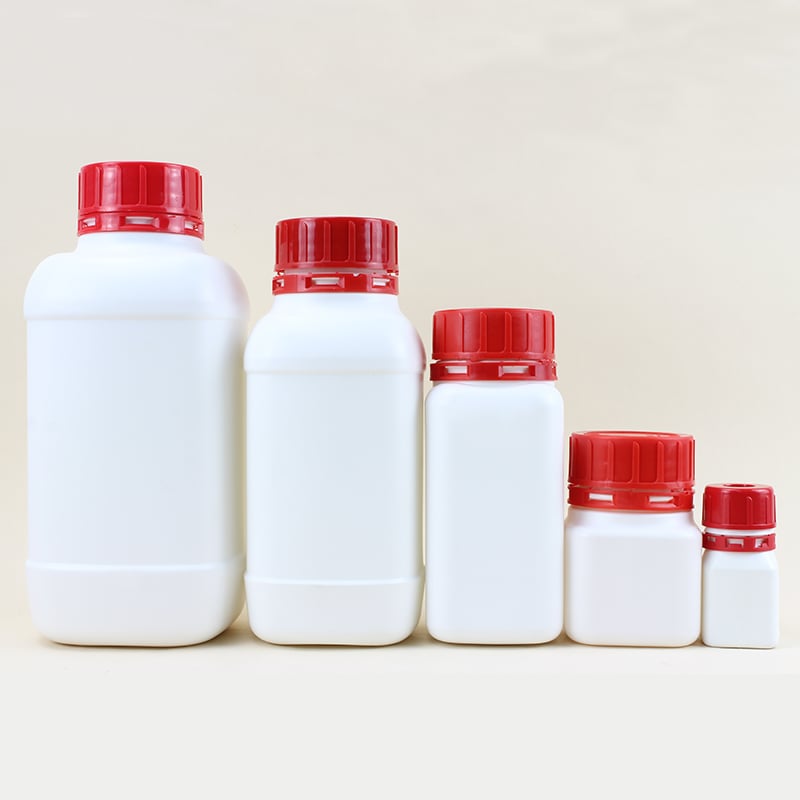
Navigating cosmetic packaging regulations is crucial for beauty brands aiming to launch products successfully in today's market. Compliance with cosmetic packaging standards protects consumers, builds brand trust, and prevents costly regulatory violations or product recalls. Every product—from skincare creams to color cosmetics—must meet strict requirements that vary by region and product category.
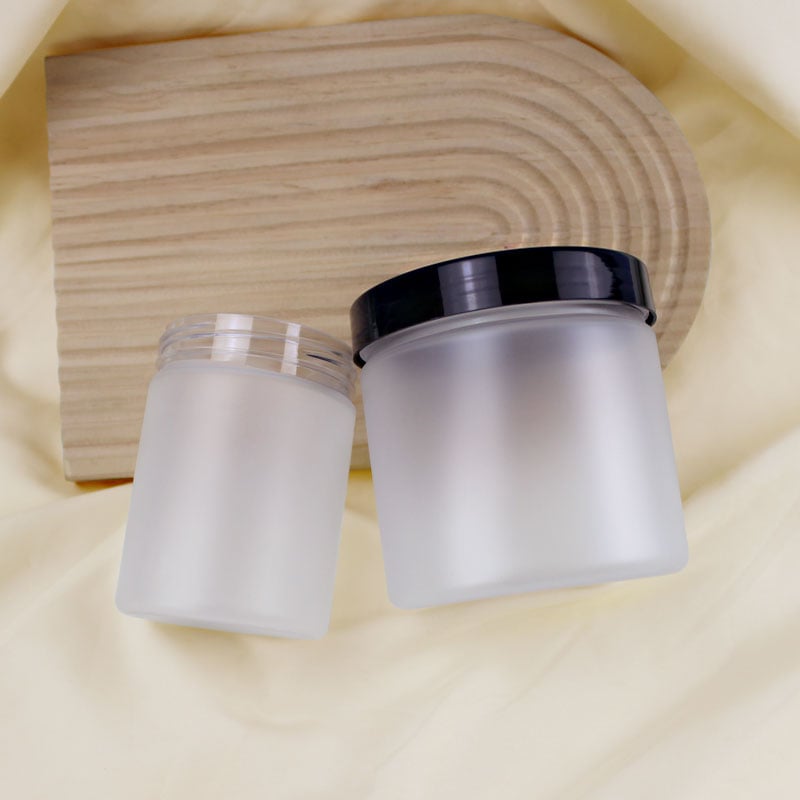
Understanding these requirements early in product development ensures your cosmetic packaging meets all necessary guidelines without delays or redesigns. Brands that invest in compliant packaging solutions gain competitive advantage, reduce liability exposure, and demonstrate commitment to consumer safety. This guide explores the key compliance areas that every cosmetic business must address.
Labeling and Product Information Requirements
Mandatory Label Information
All cosmetic packaging must display specific product information in clear, legible text. Product name, ingredient list, net weight or volume, manufacturer details, and country of origin are non-negotiable elements. Ingredient declarations must follow the International Nomenclature of Cosmetic Ingredients (INCI) standard, using chemical names rather than marketing terms. This transparency allows consumers to identify potential allergens or irritants before purchase or use.
Language compliance is equally critical. In the United States, the FDA requires all label information in English, while European Union regulations often mandate local language compliance for each market. Warning statements, usage instructions, and safety precautions must be prominently displayed and easily understood by average consumers. Custom cosmetic containers designed with proper label spacing ensure all required information fits without overcrowding or compromised readability.
Expiration Dating and Shelf Life
Many cosmetic packaging designs must include expiration dates or period-after-opening (PAO) symbols. The PAO symbol indicates how many months a product remains safe after opening, typically represented as a number followed by the letter 'M'. Different regulatory bodies have varying requirements: Europe requires PAO statements for products with shelf life exceeding 30 months, while some markets mandate expiration dates on all products. Your eco-friendly cosmetic boxes should include adequate space for clear, permanent date markings that remain visible throughout the product's lifecycle.
Material Safety and Ingredient Restrictions
Packaging Material Compliance
The materials used for sustainable beauty packaging directly impact product safety and regulatory compliance. Glass, plastic, and metal containers must meet food-contact standards, as many regulatory bodies classify cosmetics under similar safety protocols. Custom cosmetic containers must not leach harmful chemicals into the product, particularly for formulations containing high concentrations of alcohols or oils that can degrade certain plastics. Materials must be inert, stable, and compatible with active ingredients to prevent degradation or contamination.
Lead and cadmium content limits are strictly enforced in cosmetic packaging components. The FDA restricts lead in colorants and pigments used on labels and containers, while European regulations set maximum permissible levels for heavy metals in packaging materials. Suppliers must provide certificates of analysis demonstrating that packaging materials meet these heavy metal restrictions. When selecting eco-friendly cosmetic boxes or sustainable beauty packaging, verify that suppliers conduct third-party testing and maintain compliance documentation.
BPA and Chemical-Free Concerns
Bisphenol A (BPA) and other endocrine-disrupting chemicals face increasing scrutiny from regulators and consumers alike. Although cosmetics themselves are not subject to universal BPA bans, regulatory trends suggest stricter future requirements. Many brands proactively choose BPA-free custom cosmetic containers to align with consumer preferences and anticipate regulatory changes. Phthalate-free and recycled-content options increasingly define premium sustainable beauty packaging offerings in competitive markets.
Regional Regulatory Framework and Market-Specific Requirements
United States FDA Compliance
The FDA regulates cosmetics as over-the-counter drugs if they make therapeutic claims. Sunscreen, anti-aging, acne-fighting, or moisturizing claims push products into this category, requiring additional labeling and compliance measures. Cosmetic packaging must list all ingredients in descending order of concentration, with chemical names clearly displayed. Registration with the FDA and compliance with Current Good Manufacturing Practice (cGMP) standards are mandatory, and your cosmetic packaging design must accommodate all required regulatory information without exception.
European Union and UK Standards
The EU imposes stricter regulations on cosmetic ingredients than most regions, prohibiting over 1,300 substances outright. Cosmetic packaging sold in Europe must include ingredient declarations using INCI nomenclature, safety warnings, and manufacturer contact information. Sustainable beauty packaging in European markets benefits from stronger circular economy initiatives, with requirements for recyclability and recycled content gaining prominence. Post-Brexit, UK manufacturers face parallel compliance requirements aligned with but separate from EU standards, necessitating careful labeling strategies for dual-market cosmetic packaging.
Other Global Considerations
Asia-Pacific, Latin American, and Middle Eastern markets maintain distinct cosmetic packaging requirements that vary significantly from Western standards. Some regions mandate specific warning statements, alternative ingredient naming conventions, or locally authorized preservatives. Brands targeting multiple markets benefit from custom cosmetic containers designed with flexible label areas accommodating regional variations. Early engagement with regulatory consultants ensures eco-friendly cosmetic boxes and sustainable beauty packaging meet requirements across all intended distribution channels without costly redesigns.
FAQ
What information must appear on cosmetic packaging labels?
Essential cosmetic packaging labels must include the product name, complete ingredient list using INCI nomenclature, net weight or volume, manufacturer name and address, country of origin, and any required warning statements or usage instructions. Many jurisdictions require period-after-opening (PAO) symbols or expiration dates. Language must comply with target market regulations, typically matching the country where products are sold. Design flexibility in custom cosmetic containers ensures all mandatory information displays clearly without compromising brand aesthetics or consumer visibility.
Are there restrictions on sustainable beauty packaging materials?
Sustainable beauty packaging materials must meet strict safety standards prohibiting harmful chemical leaching into cosmetic formulations. Materials cannot exceed permitted limits for lead, cadmium, and other heavy metals. Glass, recyclable plastics, and biodegradable alternatives all require compatibility testing with specific product formulations, particularly for alcohol-based or oil-rich cosmetics. Eco-friendly cosmetic boxes must include supplier certification confirming material safety compliance and third-party testing results. Choosing materials aligned with both regulatory requirements and environmental standards strengthens brand credibility.
How do regional regulations affect cosmetic packaging design?
Different markets impose distinct labeling languages, ingredient naming conventions, and warning statement requirements for cosmetic packaging. FDA-regulated markets emphasize ingredient transparency and cGMP compliance, while EU standards focus on prohibited substances and detailed safety data. Custom cosmetic containers designed with adaptable label zones accommodate regional variations without requiring completely separate packaging runs. Brands targeting multiple regions benefit from early regulatory consultation, sustainable beauty packaging strategies that comply across markets, and flexible eco-friendly cosmetic boxes supporting diverse labeling needs across different jurisdictions.