 EN
EN
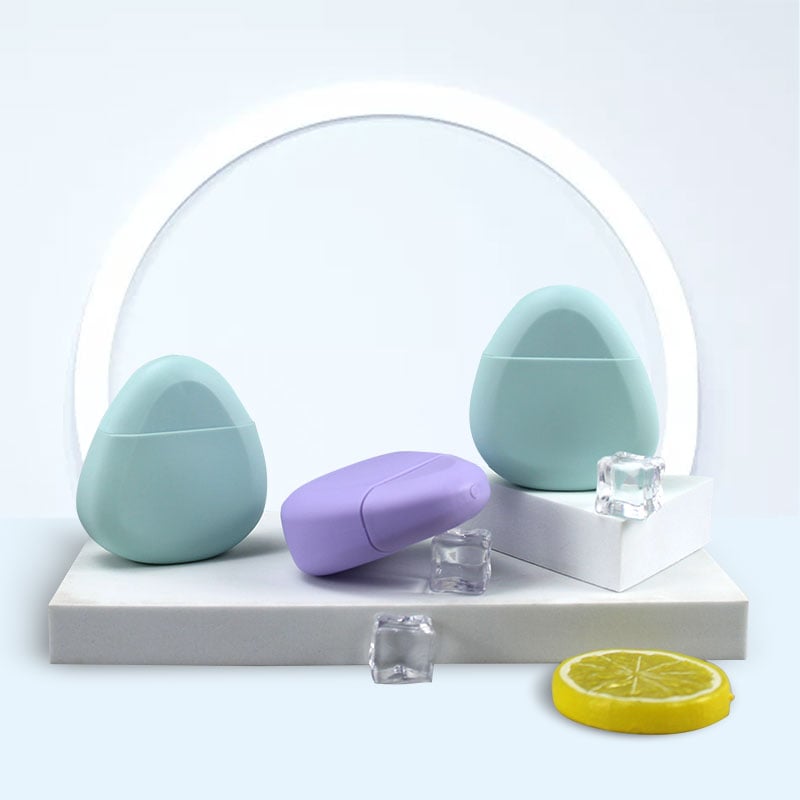
Selecting the right materials for cosmetic packaging is one of the most critical decisions beauty brands face today. The durability of your packaging directly impacts product protection, brand reputation, and customer satisfaction. When formulations are exposed to light, heat, humidity, or physical stress during transport and storage, inferior materials can compromise ingredient integrity and shelf appeal. Understanding which materials deliver superior durability while meeting modern sustainability expectations helps brands protect their investment and build customer loyalty.
The beauty industry faces mounting pressure to balance protective performance with environmental responsibility. Brands now recognize that premium cosmetic packaging must withstand rigorous distribution networks, retail display conditions, and consumer handling while minimizing environmental footprint. This convergence of durability and sustainability requirements has reshaped material selection criteria across the industry. Companies investing in the right packaging materials gain competitive advantages through reduced product loss, improved customer retention, and enhanced brand positioning.
Plastic Materials for Superior Durability
Polyethylene Terephthalate and High-Density Options
Polyethylene terephthalate (PET) and high-density polyethylene (HDPE) have become industry standards for custom cosmetic containers due to their exceptional durability and protective capabilities. PET offers excellent barrier properties against moisture and oxygen, making it ideal for sensitive formulations like serums, essences, and precision skincare products. HDPE provides superior chemical resistance and mechanical strength, withstanding repeated opening cycles without degradation. These thermoplastics maintain structural integrity across temperature fluctuations and resist cracking or warping during shipping, which directly reduces waste and customer complaints.
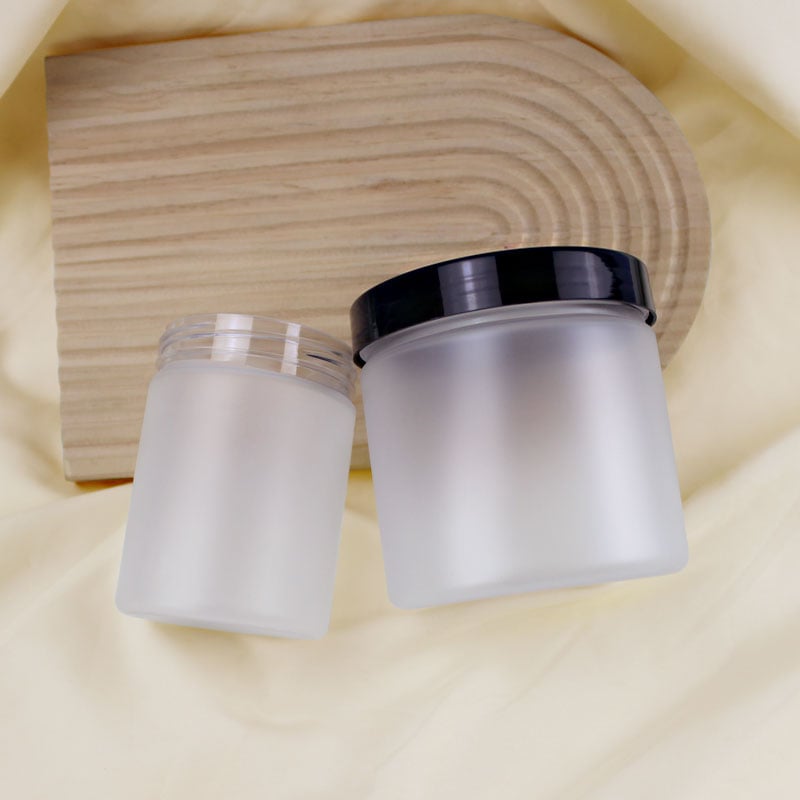
The durability of plastic materials extends product shelf life significantly. Opaque and frosted variants of these plastics protect light-sensitive ingredients from UV degradation, a critical concern for vitamins, retinoids, and botanical extracts. Custom cosmetic containers manufactured from premium-grade PET and HDPE can survive months in diverse retail environments without aesthetic decline. Brands benefit from reduced breakage claims, fewer customer returns, and enhanced perceived value when packaging maintains pristine condition from warehouse to consumer hand.
Polypropylene and Specialized Formulations
Polypropylene (PP) represents another durable plastic option, particularly valued for its fatigue resistance and flexibility. Unlike brittle plastics that crack under repeated stress, PP flexes without permanent deformation, making it excellent for squeeze bottles, airless dispensers, and pump-based cosmetic packaging. This material withstands temperature extremes from refrigerated storage to warm retail displays without compromising seal integrity. For brands requiring custom cosmetic containers with advanced dispensing mechanisms, polypropylene delivers the mechanical reliability needed for premium positioning.
Specialized plastic formulations now incorporate UV absorbers, static dissipators, and reinforced additives that enhance durability beyond standard resin properties. These engineered materials prevent discoloration, reduce electrostatic discharge that damages sensitive formulations, and improve drop resistance. The investment in advanced plastic formulations yields measurable returns through decreased product spoilage, extended shelf life, and reduced environmental impact from damaged goods requiring replacement.
Glass and Sustainable Beauty Packaging Solutions
Borosilicate Glass for Premium Protection
Borosilicate glass stands as the gold standard for sustainable beauty packaging, offering unmatched durability and chemical inertness. This specialized glass formulation resists thermal shock, chemical attack from aggressive formulations, and physical impact far better than standard glass. Luxury skincare brands and pharmaceutical-grade cosmetic lines prefer borosilicate containers because they provide absolute barrier protection while conveying premium quality. The material's transparency allows product visibility while maintaining structural integrity throughout the product lifecycle, from manufacturing to consumer use.
Environmental advantages of glass extend beyond single-use cycles. Borosilicate glass containers remain infinitely recyclable without material degradation, supporting circular economy principles that modern consumers increasingly demand. Unlike plastics that degrade with each recycling cycle, glass maintains original properties indefinitely. Brands investing in glass eco-friendly cosmetic boxes benefit from strong sustainability narratives while delivering objectively superior product protection. The durability premium justifies higher material costs through reduced replacement claims and enhanced brand prestige.
Miron Violet Glass and Specialty Applications
Miron violet glass represents an innovative sustainable beauty packaging advancement, combining aesthetic appeal with exceptional preservation properties. This specialty glass blocks visible light while transmitting beneficial violet and infrared wavelengths, creating optimal conditions for ingredient preservation without chemical additives. Products stored in miron containers maintain potency significantly longer than standard packaging, directly reducing waste from degraded formulations. The premium positioning of violet glass appeals to natural and organic cosmetic brands seeking differentiation through advanced material science.
The durability characteristics of miron glass extend to chemical resistance, thermal stability, and physical robustness. This material withstands aggressive essential oils, botanical extracts, and high-concentration actives that challenge standard containers. For brands formulating potent natural cosmetics, miron glass provides reliable protection while supporting premium eco-friendly cosmetic box positioning. The combination of performance durability and environmental credentials makes violet glass increasingly popular despite higher costs.
Innovative Materials and Emerging Durability Solutions
Mushroom Leather and Bioplastic Innovations
Emerging biomaterial technologies now offer durable packaging alternatives that bridge performance and sustainability concerns. Mushroom leather and mycelium-based materials demonstrate surprising structural strength while being fully compostable, appealing to environmentally conscious brands. These bioplastics, derived from renewable sources, deliver comparable durability to conventional plastics for certain applications while drastically reducing environmental footprint. Progressive cosmetic packaging manufacturers are experimenting with these materials for secondary packaging and protective cases that complement primary containers.
Bioplastic innovations continue advancing toward performance parity with petroleum-based plastics. Advanced formulations now incorporate reinforcement fibers and crosslinked structures that enhance mechanical properties and barrier performance. Brands adopting these emerging materials position themselves as sustainability leaders while maintaining product integrity. As manufacturing scales and costs decline, mushroom leather and advanced bioplastics will increasingly compete with traditional plastics for custom cosmetic containers applications.
Aluminum and Laminated Structures
Aluminum represents the ultimate barrier material for cosmetic packaging requiring absolute protection against oxygen, light, and moisture. Cosmetic brands formulating highly unstable actives or long shelf-life products often specify aluminum tubes or laminated structures that incorporate aluminum foil. This material's impermeability ensures zero oxidation and zero light transmission, critical for preserving efficacy in vitamin C serums, retinol formulations, and other notoriously unstable ingredients. The durability advantage translates directly to extended product lifespan and reduced waste from premature degradation.
Laminated structures combining aluminum with plastic or cardboard layers offer versatility for custom cosmetic containers requiring specific barrier profiles. These composite materials balance protective performance, sustainability considerations, and cost efficiency. Brands can specify exact barrier properties—oxygen transmission rate, water vapor transmission rate, and light blocking capabilities—for targeted ingredient preservation. The durability of laminated structures ensures consistent product quality across the entire distribution chain while supporting eco-friendly cosmetic boxes initiatives through optimized material combinations.
FAQ
Which material provides the best durability for long-term cosmetic storage?
Glass, particularly borosilicate formulations, offers superior long-term durability for cosmetic storage without material degradation or chemical interactions. For sustainable beauty packaging priorities, glass provides infinite recyclability and complete chemical inertness. However, for custom cosmetic containers requiring lightweight and shatter-resistant properties, premium PET or HDPE plastics with UV protection deliver excellent durability with reduced breakage risk during shipping and handling.
Are eco-friendly cosmetic boxes as durable as traditional plastic packaging?
Modern eco-friendly cosmetic boxes utilizing glass, advanced bioplastics, or laminated structures deliver equivalent or superior durability compared to standard plastics. Sustainable beauty packaging materials like borosilicate glass and mushroom leather offer exceptional protective performance while supporting environmental objectives. The durability advantage of premium sustainable materials often exceeds cheaper plastic alternatives, providing better product protection and longer shelf life despite higher initial costs.
How do I select materials that balance cosmetic packaging durability with sustainability?
Evaluate your specific product requirements—ingredient stability, shelf life targets, distribution conditions, and storage environment—then match materials offering optimal protection with minimal environmental impact. Glass excels for premium positioning and infinite recyclability, while advanced PET plastics provide cost-effective durability. Custom cosmetic containers can specify barrier properties, additives, and secondary materials to achieve targeted performance. Consulting packaging engineers helps identify material combinations delivering necessary durability while supporting your sustainability commitments and brand positioning.