
 EN
EN
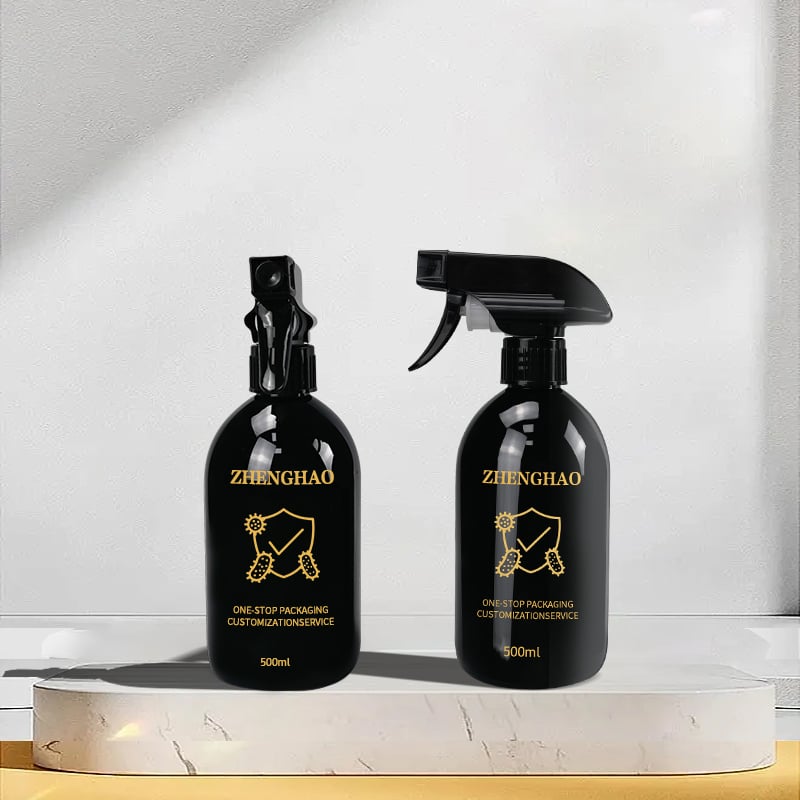
A properly designed sunscreen bottle goes far beyond simple containment. It must protect the product's efficacy, ensure safe application, and maintain stability during storage and transport. The right sunscreen bottle design directly impacts product quality, customer satisfaction, and brand reputation in the competitive personal care market.
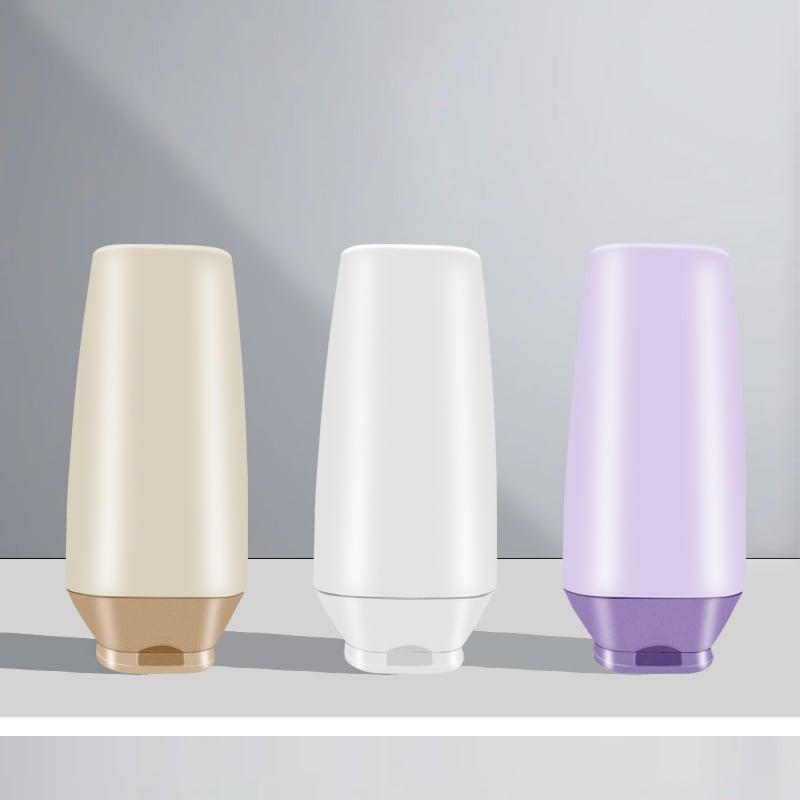
Understanding the essential features of an effective sunscreen bottle helps manufacturers, brands, and consumers make informed decisions about product selection and packaging investments. When UV protection packaging is optimized, the sunscreen formula remains stable, potent, and ready for consumer use throughout its shelf life and beyond.
UV Protection Packaging Materials and Structure
Barrier Protection and Light Resistance
The primary role of UV protection packaging is blocking harmful ultraviolet rays that degrade active sunscreen ingredients. High-density plastics, opaque pigmentation, and specialized barrier coatings form the foundation of effective UV protection packaging. A quality sunscreen bottle must incorporate materials that absorb or reflect UV radiation rather than transmit it into the container.
Sunscreen container materials like high-density polyethylene (HDPE) and polypropylene (PP) naturally provide superior UV barrier properties compared to transparent alternatives. Many premium sunscreen bottle designs incorporate titanium dioxide or carbon black pigments that enhance opacity and create an additional protective layer. This dual approach ensures the formulation inside maintains its protective efficacy for months, not weeks.
Chemical Compatibility and Seal Integrity
Sunscreen container materials must remain chemically stable when exposed to sunscreen formulations containing oils, alcohols, and active pharmaceutical ingredients. The bottle should not leach or degrade when in prolonged contact with these components. A reliable sunscreen bottle design includes a secure screw cap or closure system that prevents evaporation and contamination while maintaining product integrity.
Quality sealing mechanisms prevent air oxidation, which can compromise both the active ingredients and preservative systems in sunscreen products. UV protection packaging that includes tamper-evident features and redundant seals reassures consumers and meets regulatory compliance standards across global markets.
Functional Design Features for User Experience
Dispensing Mechanisms and Ergonomic Design
An effective sunscreen bottle must deliver consistent dosing and controlled application to ensure users receive adequate UV protection. Squeeze bottles with graduated ridges, pump dispensers, and precision nozzles represent common functional approaches that improve user experience and reduce product waste. The sunscreen bottle design should feel comfortable in hand and require minimal effort to dispense the recommended dose.
Ergonomic sunscreen bottle shapes accommodate various hand sizes and grip strengths, making application easier for families and diverse consumer demographics. Clear measurement markings or graduated lines help users understand remaining product volume, supporting effective sunscreen bottle storage tips and replenishment timing.
Labeling Space and Product Information Accessibility
A properly designed sunscreen bottle provides sufficient flat or curved surface area for comprehensive labeling including SPF rating, active ingredients, application instructions, and safety warnings. The label should remain legible and durable even after exposure to moisture, sand, and direct sunlight during beach or outdoor use.
Text size, color contrast, and material durability are critical components of sunscreen bottle design that directly affect consumer trust and regulatory compliance. Waterproof labeling solutions ensure users can access critical information throughout the product lifecycle.
Stability, Storage, and Transportation Considerations
Temperature Resistance and Structural Stability
Sunscreen formulations are sensitive to temperature fluctuations, making temperature-stable sunscreen container materials essential. The bottle must resist warping, cracking, or degradation when exposed to hot vehicles, beach sand, and varying climate conditions. Quality UV protection packaging materials maintain structural integrity across temperature ranges from freezing cold to extreme heat.
A robust sunscreen bottle design prevents product separation, ingredient settling, and consistency changes that consumers perceive as quality degradation. Reinforced walls and stable base designs ensure the container withstands stacking, transport, and shelf display without compromise.
Sunscreen Bottle Storage Tips and Preservation Best Practices
Consumers benefit from sunscreen bottles designed specifically for proper sunscreen bottle storage tips that maximize product longevity. Dark, cool storage locations preserve product efficacy far better than bright, warm environments. The ideal sunscreen bottle design minimizes oxygen permeability, reducing oxidation and ingredient degradation during storage.
Guidance on optimal sunscreen bottle storage tips should appear on packaging or product information materials. Recommendations to store bottles upright, away from direct heat sources, and in climate-controlled environments extend product shelf life significantly. A well-designed sunscreen bottle supports these best practices through its material composition and closure system.
FAQ
What makes UV protection packaging superior for sunscreen products?
UV protection packaging uses opaque, high-barrier materials that block ultraviolet radiation, preventing ingredient degradation. Superior UV protection packaging maintains product potency throughout shelf life while reducing the need for additional preservatives or stabilizers. This directly impacts consumer safety and product performance.
Which sunscreen container materials offer the best chemical resistance?
High-density polyethylene (HDPE) and polypropylene (PP) represent the gold standard sunscreen container materials due to their chemical compatibility with oil-based and alcohol-containing formulations. These sunscreen container materials resist leaching while providing excellent barrier properties and long-term stability even under challenging storage conditions.
How do sunscreen bottle storage tips extend product effectiveness?
Sunscreen bottle storage tips emphasize keeping bottles in cool, dark locations away from direct heat and sunlight. Following these sunscreen bottle storage tips prevents ingredient breakdown and maintains SPF efficacy. Proper storage combined with a well-designed sunscreen bottle ensures the product delivers reliable protection when consumers need it most.