
 EN
EN
The material composition of your sunscreen bottle directly impacts the effectiveness and longevity of the product inside. Many consumers overlook this critical factor, assuming all sunscreen containers are equally adequate. However, the relationship between sunscreen bottle design and UV protection packaging is far more nuanced than most realize. The right container material can preserve sunscreen potency, prevent photodegradation, and ensure that the sun protection factor remains reliable throughout the product's shelf life and during use.
Understanding why sunscreen container materials matter requires examining how UV radiation penetrates packaging and degrades active ingredients. A high-quality sunscreen bottle acts as a barrier against light exposure, moisture ingress, and oxygen absorption—all of which compromise product integrity. This article explores the critical relationship between container material selection and sun protection efficacy, helping you understand why your packaging choice matters as much as the formula itself.
Understanding UV Protection Packaging Requirements
How Light Penetration Affects Sunscreen Stability
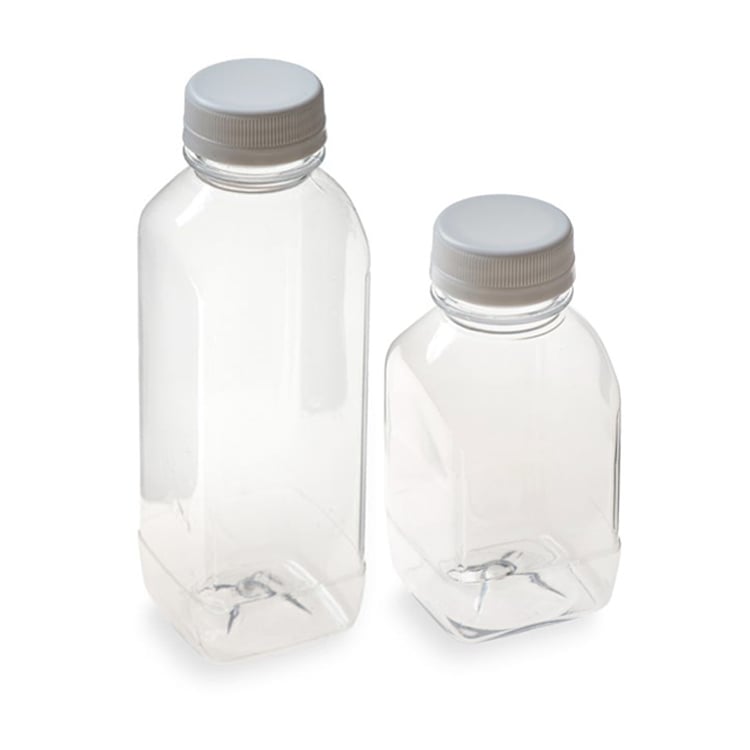
Sunscreen formulations contain photolabile compounds that degrade when exposed to ultraviolet light. Unlike regular cosmetic products, sunscreen container materials must provide robust UV protection packaging to shield active ingredients from light exposure. Clear or translucent bottles allow harmful radiation to penetrate the product, accelerating ingredient breakdown and reducing the SPF rating over time. Studies show that sunscreen stored in clear containers can lose significant potency within weeks of exposure to indirect sunlight, even when kept in home bathrooms with ambient light exposure.
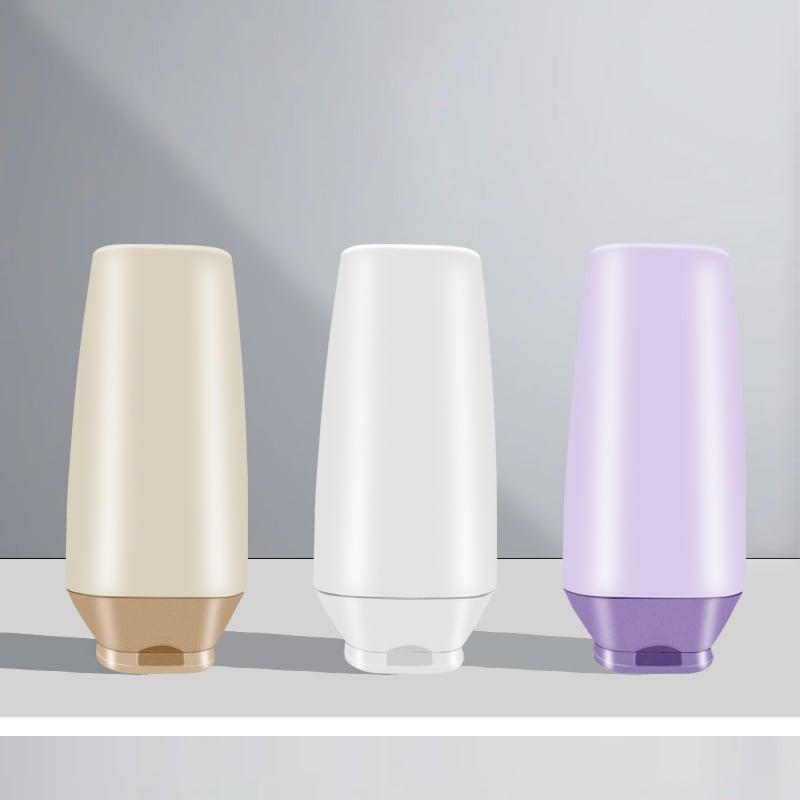
Opaque and amber-colored sunscreen bottle options effectively block wavelengths that trigger photodegradation. The material's thickness and pigmentation directly correlate with UV protection packaging effectiveness. High-density polyethylene (HDPE) and other opaque plastics provide excellent barriers, while glass containers with UV-blocking coatings offer premium protection. Selecting the appropriate sunscreen container materials is therefore not merely an aesthetic choice but a fundamental requirement for maintaining product efficacy and consumer safety.
Moisture and Oxygen Barrier Properties
Beyond light protection, sunscreen bottle materials must prevent water vapor and oxygen infiltration. Moisture absorption triggers chemical reactions that destabilize emulsions, separating oil and water phases and compromising the product's spreadability and protective coverage. Oxygen exposure accelerates oxidation of organic UV filters, further reducing sun protection efficacy. Multi-layer plastics and specialized barrier coatings on sunscreen container materials minimize permeability, maintaining product stability throughout the intended shelf life and during consumer use in humid bathroom environments.
Selecting the Right Sunscreen Container Materials
Plastic Formulations for Cosmetic Sunscreen Bottles
Different plastic polymers offer varying degrees of protection for UV protection packaging applications. High-density polyethylene (HDPE) and polypropylene (PP) are industry standards for sunscreen bottle manufacturing due to their chemical compatibility, durability, and cost-effectiveness. These sunscreen container materials resist UV degradation and maintain structural integrity even when exposed to temperature fluctuations common in consumer homes and vehicles. HDPE provides superior moisture barrier properties, while polypropylene offers excellent chemical resistance against active ingredients and preservatives used in modern sunscreen formulations.
Polyethylene terephthalate (PET) is another popular choice, though it requires pigmentation or opaque coatings to provide adequate UV protection packaging. The thickness of the plastic walls significantly impacts barrier performance—thicker-walled containers provide superior protection against light, moisture, and gas diffusion. Many manufacturers now employ multi-layer plastic structures that combine the aesthetic appeal of clear zones with opaque backing layers, balancing consumer visibility with functional sunscreen bottle protection requirements.
Alternative Materials and Specialty Packaging Solutions
Glass containers represent the premium option for UV protection packaging, offering inherent impermeability and complete light blocking when formulated with UV-absorbing pigments. Aluminum and metal containers provide exceptional barrier properties and product protection, though they are less common in consumer sunscreen markets due to cost and dispensing constraints. Some manufacturers use aluminum-lined pouches and refillable containers as sustainable alternatives that maintain sunscreen bottle storage tips compliance while reducing environmental impact. The selection between these materials depends on balancing protection effectiveness, cost considerations, product volume, dispensing convenience, and environmental sustainability goals.
Practical Implications for Consumers and Formulators
Sunscreen Bottle Storage Tips and Product Longevity
Selecting appropriate sunscreen container materials is only half the equation—proper storage practices maximize the benefits of UV protection packaging. Consumers should store sunscreen bottles in cool, dark locations away from direct sunlight and extreme heat, which can compromise both the container and its contents. Sunscreen bottle storage tips recommend keeping products in original opaque packaging, avoiding transfer to clear containers, and storing in bathroom medicine cabinets rather than on shower windowsills where temperature and light exposure fluctuate dramatically. The combination of quality sunscreen container materials and smart storage practices ensures that the product maintains its labeled SPF rating until expiration.
Formulators selecting sunscreen bottle designs must balance multiple requirements: adequate UV protection packaging, chemical compatibility with active ingredients, manufacturing efficiency, consumer appeal, and cost constraints. Testing for permeability, light transmission, and chemical compatibility is essential before finalizing container designs. Regular stability testing under accelerated aging conditions—using standardized testing protocols that simulate years of storage in days—ensures that the selected sunscreen container materials maintain product integrity throughout the intended shelf life and distribution period.
Industry Standards and Regulatory Considerations
Regulatory bodies including the FDA and international cosmetic authorities have established guidelines for UV protection packaging and sunscreen bottle requirements. While specific material mandates vary by region, the underlying principle remains consistent: packaging must prevent ingredient degradation and maintain claimed SPF levels until expiration. Manufacturers must demonstrate through testing that their sunscreen container materials preserve product efficacy under reasonable consumer storage conditions. Compliance with these standards requires documentation of permeability rates, light transmission percentages, and long-term stability data specific to the formulation.
FAQ
Why can't I use clear plastic for sunscreen bottles?
Clear plastic fails to provide adequate UV protection packaging because it allows harmful ultraviolet radiation to penetrate and degrade active sunscreen ingredients. This photodegradation reduces the SPF rating over time, potentially leaving consumers with less protection than labeled. Opaque sunscreen container materials, such as amber or pigmented plastics, block the wavelengths responsible for ingredient breakdown, maintaining product efficacy throughout shelf life and proper storage periods.
How does sunscreen bottle material affect product performance?
Sunscreen bottle material directly impacts UV protection packaging effectiveness by controlling light penetration, moisture ingress, and oxygen exposure. High-quality sunscreen container materials prevent these degradation mechanisms, ensuring that active ingredients remain stable and maintain their sun-protective properties. Poor material selection allows photodegradation, emulsion separation, and oxidation to occur, compromising the product's efficacy and creating potential consumer safety issues regarding actual sun protection received.
What are the best sunscreen bottle storage tips for maximum product life?
Store sunscreen bottles in cool, dark locations away from direct sunlight and heat sources, keeping them in their original opaque sunscreen container materials rather than transferring to clear bottles. Keep lids tightly sealed to prevent moisture and oxygen exposure. Store in bathroom medicine cabinets or dark drawers rather than on windowsills or shower surfaces where temperature and light fluctuate significantly. These sunscreen bottle storage tips, combined with quality UV protection packaging, help maximize product shelf life and maintain labeled SPF effectiveness until expiration.