
 EN
EN
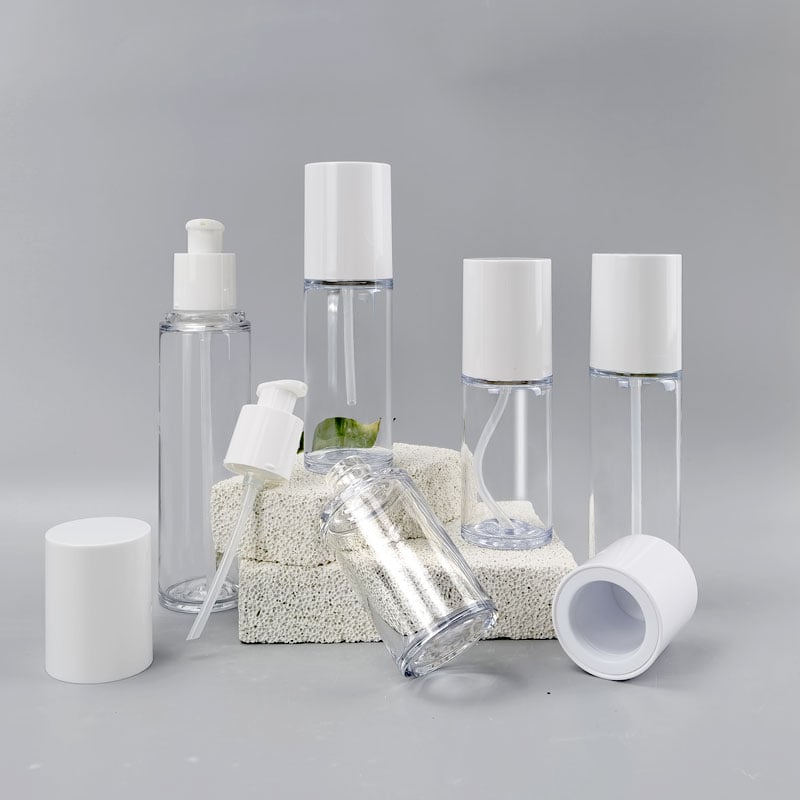
The beauty industry is experiencing a profound shift in how it approaches product presentation and environmental responsibility. Today's consumers increasingly demand that their favorite beauty brands prioritize sustainability, making cosmetic packaging a critical competitive factor. This transformation is not merely a marketing trend but a fundamental restructuring of how companies source materials, design containers, and communicate brand values through their product presentation.
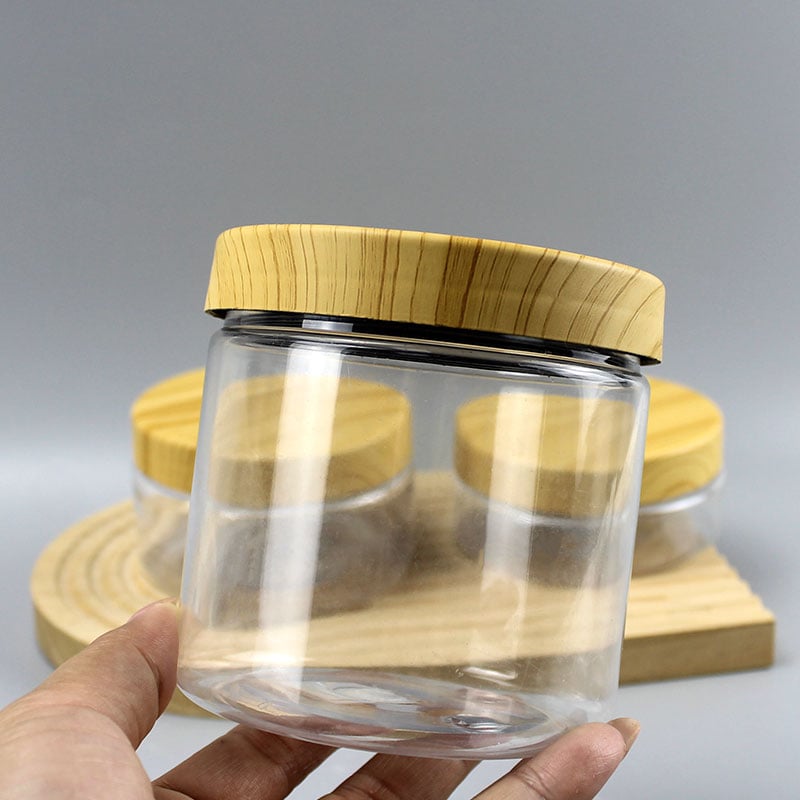
Sustainable beauty packaging has evolved from a niche premium positioning into a mainstream expectation across retail channels and consumer demographics. Regulatory pressures, circular economy principles, and shifting investor priorities have accelerated this change dramatically. Custom cosmetic containers now serve as a strategic tool for brands seeking to differentiate themselves while meeting environmental obligations and consumer expectations that show no signs of weakening.
Environmental Pressure and Regulatory Drivers
Legislative Mandates Reshaping Industry Standards
Governments worldwide are implementing stricter regulations on packaging waste, single-use plastics, and material recyclability. The European Union's packaging directives, extended producer responsibility laws, and single-use plastic bans have created immediate compliance requirements for beauty manufacturers. These regulatory frameworks are forcing companies to rethink their eco-friendly cosmetic boxes and production methods to avoid penalties and market access restrictions.
Compliance is no longer optional for brands seeking distribution in major markets. Custom cosmetic containers must now meet specific material standards, recyclability thresholds, and end-of-life management criteria. This regulatory landscape is standardizing sustainable beauty packaging practices across manufacturers regardless of company size or geographic location, fundamentally reshaping how cosmetic packaging is designed and sourced.
Consumer Demand and Market Differentiation
Modern consumers actively research and reward brands that demonstrate genuine environmental commitment through their packaging choices. Studies consistently show that sustainable beauty packaging influences purchase decisions, particularly among younger demographics who view brand values as integral to loyalty. This consumer preference creates powerful market incentives for companies investing in eco-friendly cosmetic boxes and materials.
Brands using custom cosmetic containers made from recycled or biodegradable materials report higher customer retention and positive brand perception metrics. The cosmetic packaging that appears on store shelves now communicates environmental stewardship as directly as it communicates product benefits. Companies that delay this transition risk losing market share to competitors who have already established sustainable beauty packaging credentials.
Practical Benefits Beyond Environmental Compliance
Cost Optimization Through Material Efficiency
Sustainable beauty packaging often delivers unexpected financial advantages when analyzed across full product lifecycle costs. Lightweight eco-friendly cosmetic boxes reduce shipping expenses, storage requirements, and logistics complexity significantly. Custom cosmetic containers designed with material efficiency principles consume fewer resources during manufacturing while maintaining protection and shelf appeal standards required by retailers and consumers.
Companies transitioning to sustainable cosmetic packaging frequently discover opportunities for supply chain optimization and waste reduction that directly impact profitability. The long-term value of these efficiencies often exceeds the initial investment required to develop new custom cosmetic containers and manufacturing processes. Over time, sustainable beauty packaging becomes a cost advantage rather than an expense, creating competitive positioning that strengthens margins.
Brand Reputation and Market Access
Retail buyers and distributors now prioritize suppliers who demonstrate environmental responsibility in their cosmetic packaging strategies. Major retailers explicitly favor brands with transparent sustainable beauty packaging commitments, offering improved shelf placement and promotional support. Custom cosmetic containers that align with retailer sustainability initiatives gain preferential treatment and expanded distribution opportunities that directly drive revenue growth.
The cosmetic packaging decisions made today create competitive advantages in B2B relationships that extend far beyond direct consumer interactions. Brands investing in eco-friendly cosmetic boxes strengthen partnership potential with retailers, distributors, and corporate buyers who have established sustainability requirements for their vendor relationships. This positioning becomes increasingly valuable as sustainable business practices become standard selection criteria in procurement decisions.
Innovation in Sustainable Cosmetic Packaging Materials
Advanced Materials and Design Evolution
Material science innovations are expanding possibilities for sustainable beauty packaging far beyond traditional recycled cardboard. Biodegradable plastics, plant-based polymers, and innovative paper composites now enable custom cosmetic containers that perform as well as conventional packaging while minimizing environmental impact. These advancements mean that choosing eco-friendly cosmetic boxes no longer requires compromising on product protection, moisture resistance, or visual appeal.
Companies developing new cosmetic packaging solutions benefit from technological improvements that reduce production costs while improving sustainability metrics simultaneously. Custom cosmetic containers incorporating advanced materials often exceed performance standards for conventional packaging, creating genuine product quality enhancements rather than environmental trade-offs. The sustainable beauty packaging innovations emerging today demonstrate that environmental responsibility and practical functionality align rather than conflict.
Design Thinking and Consumer Experience
Modern sustainable beauty packaging integrates aesthetic excellence with environmental performance through thoughtful design approaches. Custom cosmetic containers now leverage minimalist design principles that reduce material usage while enhancing unboxing experiences and visual presentation. This design philosophy creates eco-friendly cosmetic boxes that feel premium and intentional rather than compromised or environmentally constrained.
The cosmetic packaging that performs best combines visual distinctiveness with demonstrable sustainability credentials communicated transparently to consumers. Brands using custom cosmetic containers that balance form and function create emotional connections with environmentally conscious buyers who view packaging choices as expressions of personal values. This alignment between design excellence and sustainable beauty packaging principles has become essential for competitive differentiation in crowded beauty categories.
FAQ
How do sustainable beauty packaging materials compare in cost to conventional cosmetic packaging?
Initial material costs for sustainable beauty packaging may be slightly higher, but lifecycle cost analysis typically favors eco-friendly cosmetic boxes when factoring in reduced shipping expenses, improved retail relationships, and avoided compliance penalties. Many custom cosmetic containers made from recycled or innovative materials now achieve price parity with conventional alternatives as production scales increase. The competitive advantage gained through sustainable cosmetic packaging often justifies any premium in purchase cost.
What certification standards should brands look for when selecting eco-friendly cosmetic boxes?
Third-party certifications for sustainable beauty packaging include FSC certification for paper-based materials, compostability certifications for biodegradable options, and recyclability verification for custom cosmetic containers. These standards provide objective assurance that eco-friendly cosmetic boxes meet stated environmental claims and comply with regulatory requirements. Brands should verify that packaging suppliers maintain current certifications and can document material sourcing and end-of-life management for cosmetic packaging selections.
Can custom cosmetic containers maintain product integrity with sustainable beauty packaging materials?
Advanced sustainable beauty packaging materials perform excellently for product protection, moisture resistance, and shelf stability requirements in cosmetic packaging applications. Modern eco-friendly cosmetic boxes incorporate barrier technologies and structural designs that equal or exceed conventional packaging performance standards. Custom cosmetic containers engineered with sustainable materials maintain product quality while reducing environmental impact, eliminating the traditional assumption that environmental responsibility requires product performance compromise.