
 EN
EN
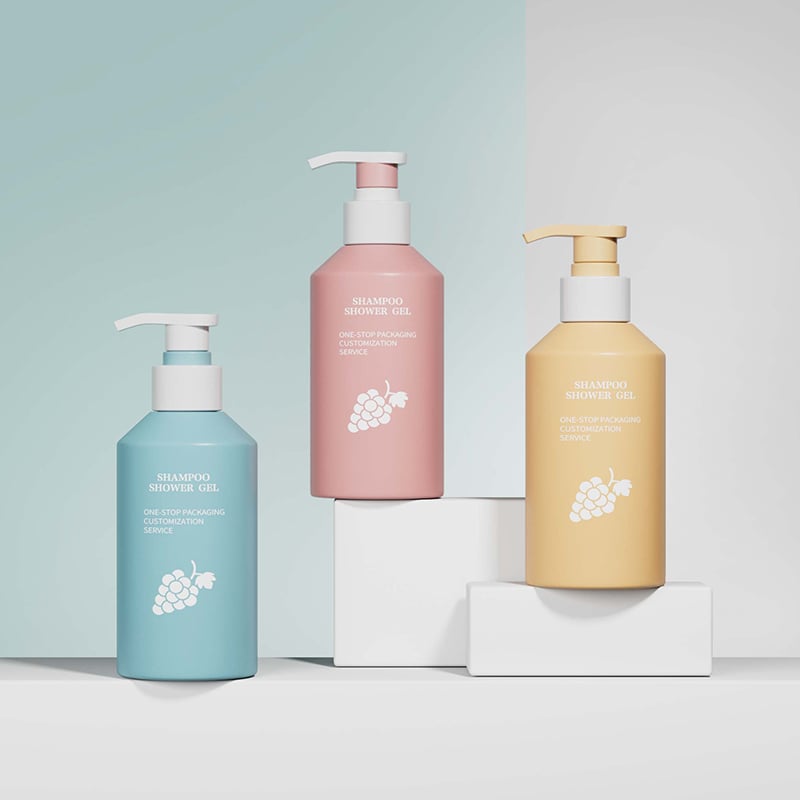
The stability of sunscreen formulations depends heavily on how well they are stored and protected from environmental factors. A quality sunscreen bottle plays a critical role in preserving the active ingredients that provide UV protection to users. When sunscreen sits on store shelves or in customers' bathrooms, exposure to light, heat, and oxygen gradually degrades the formula's effectiveness, reducing its ability to shield skin from harmful ultraviolet rays.
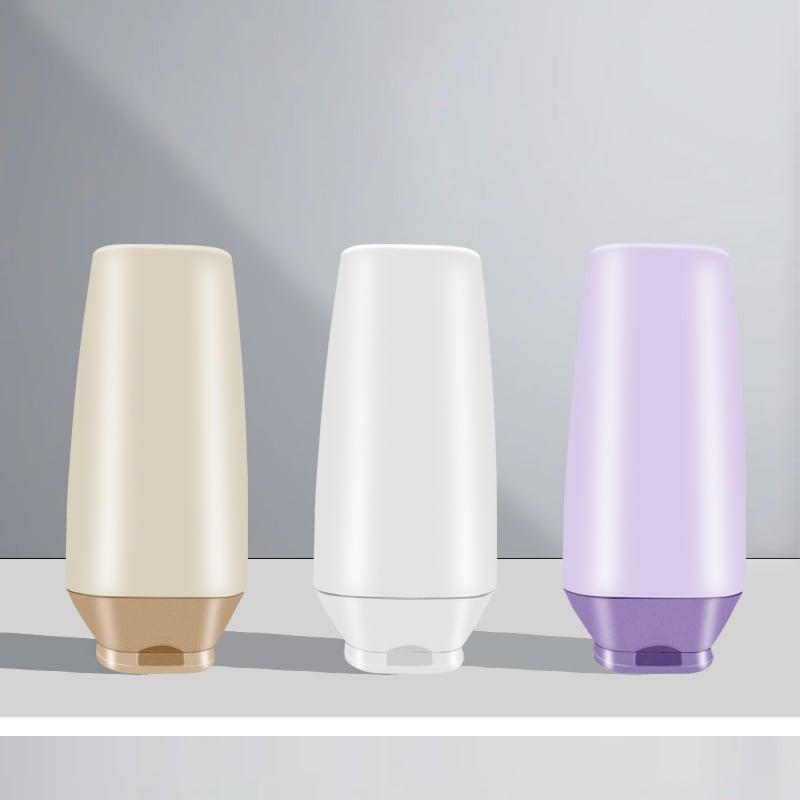
The answer is unequivocally yes. A properly designed sunscreen bottle with appropriate UV protection packaging can significantly extend formula stability and maintain the product's protective efficacy throughout its shelf life. The container itself acts as a barrier against the environmental stressors that compromise sunscreen performance, making packaging selection one of the most important decisions for manufacturers and brands committed to product quality.
How UV Protection Packaging Preserves Sunscreen Formulations
Light Barrier Technology in Sunscreen Container Materials
UV protection packaging works by blocking harmful light wavelengths that penetrate typical plastic or glass containers. Advanced sunscreen container materials use opaque pigments, reflective coatings, or specialized resins that absorb ultraviolet radiation before it reaches the formula. High-density polyethylene (HDPE) and polypropylene (PP) are commonly selected because they can be formulated with UV-blocking additives that create an effective barrier. Amber and dark-colored bottles provide passive protection by filtering visible and near-UV light, while some premium containers incorporate active UV absorbers that neutralize photons attempting to degrade active ingredients like avobenzone or octinoxate.
The thickness of the bottle wall also contributes to UV stability. Thicker materials increase the light path distance, reducing penetration probability. Many manufacturers choose containers with a minimum wall thickness of 2-3 millimeters specifically to enhance UV barrier properties while maintaining structural integrity and user convenience.
Oxygen Exclusion and Oxidative Stability
Oxygen exposure accelerates degradation of water-in-oil and oil-in-water sunscreen emulsions through oxidation processes that break down chemical bonds in active ingredients. A well-engineered sunscreen bottle minimizes headspace and uses airtight cap systems with tamper-evident seals to prevent oxygen ingress. Vacuum-sealed containers or nitrogen-flushed bottles provide even greater protection by replacing ambient air with an inert gas that cannot participate in oxidation reactions. This technology is particularly important for antioxidant-sensitive formulations that rely on stability from ingredients like vitamin E or ferulic acid. Sunscreen bottle storage tips emphasize keeping containers tightly closed immediately after use to prevent air exchange that reintroduces oxygen into previously protected product.
Material Selection and Temperature Stability
Choosing the Right Sunscreen Container Materials
Different sunscreen container materials offer varying levels of protection against thermal degradation and moisture ingress. Glass provides superior barrier properties but increases shipping weight and breakage risk. HDPE plastic offers excellent UV blocking capability, chemical compatibility with most sunscreen actives, and practical manufacturing flexibility. Multilayer containers combine different polymer resins to optimize UV protection while maintaining cost efficiency. Some premium sunscreen bottles incorporate silicon oxide coatings or nano-scale barrier layers that further reduce oxygen transmission rates to below 1 cc per container per year. Selection depends on budget constraints, brand positioning, distribution environment, and formula chemistry. Hydrophobic sunscreen container materials prevent water absorption that can trigger degradation pathways in alcohol-based or hybrid formulations.
Temperature Control Through Container Design
Heat accelerates all chemical degradation processes, with reaction rates typically doubling for every 10 degrees Celsius temperature increase above room temperature. A sunscreen bottle with proper insulation properties or reflective exterior finish reduces internal temperature rise during storage and transport. Light-colored bottles reflect solar radiation, while dark pigmented bottles can accumulate heat from light absorption. The formulation location matters significantly—products stored in beach bags, cars, or tropical environments face extreme thermal stress. UV protection packaging that includes reflective properties helps mitigate this risk. Sunscreen bottle storage tips recommend keeping containers in cool, dark places away from direct sunlight and heat sources. Some manufacturers include temperature-monitoring labels that change color if the product has been exposed to excessive heat, alerting consumers to potential efficacy loss.
Real-World Impact on Product Efficacy and Consumer Trust
Maintaining SPF Claims Over Shelf Life
Regulatory agencies like the FDA require sunscreen SPF claims to remain accurate throughout the stated shelf life, typically 3-5 years. A sunscreen bottle designed with effective UV protection packaging ensures that products maintain SPF levels within 90% of initial potency by expiration date. Inadequate packaging results in SPF degradation that leaves consumers with reduced protection without their knowledge, creating safety concerns and regulatory violations. Brands investing in superior sunscreen container materials demonstrate commitment to consumer safety and regulatory compliance. Third-party stability testing evaluates whether containers successfully preserve formula integrity under accelerated aging conditions simulating real-world storage scenarios. Products stored in poorly designed bottles may lose 30-50% potency within one year, while properly packaged formulations maintain efficacy consistently.
Building Consumer Confidence Through Packaging Excellence
Consumers increasingly recognize that packaging quality reflects product quality. A visibly robust sunscreen bottle with UV-blocking properties and opaque design signals that the brand prioritizes formula protection. Educational labeling about UV protection packaging features helps consumers understand the investment in container technology. Sunscreen bottle storage tips printed on packaging empower users to extend product life through proper handling. Brands that combine effective sunscreen container materials with clear consumer guidance build trust and loyalty. Dermatologists and skincare professionals often recommend products packaged in superior containers because they understand the relationship between packaging integrity and therapeutic efficacy.
FAQ
What sunscreen container materials provide the best UV protection?
High-density polyethylene (HDPE) and amber glass rank among the best materials for UV protection packaging. HDPE can incorporate UV-absorbing additives and offers excellent chemical compatibility with most sunscreen actives. Amber glass provides superior light barrier properties and is particularly suitable for premium formulations. Multilayer containers combining HDPE or polypropylene with barrier coatings offer enhanced UV protection packaging capabilities while maintaining affordability. The choice depends on formula chemistry, brand positioning, and distribution requirements.
How long does a sunscreen bottle maintain UV protection?
A properly designed sunscreen bottle typically maintains effective UV protection packaging for 3-5 years when stored correctly. The exact duration depends on sunscreen container materials quality, storage conditions, and environmental exposure. Products kept in cool, dark locations with minimal temperature fluctuation maintain stability longer than those exposed to heat or direct sunlight. Manufacturers conduct accelerated stability testing to verify that containers preserve formula integrity throughout the stated shelf life. Consumers should check expiration dates and follow sunscreen bottle storage tips to ensure product efficacy.
Can sunscreen bottle storage tips improve formula longevity?
Yes, proper sunscreen bottle storage tips significantly extend formula lifespan and maintain UV protection packaging effectiveness. Store containers in cool, dark locations away from direct sunlight, heat sources, and moisture. Keep bottles tightly closed immediately after use to prevent oxygen ingress that triggers oxidation. Avoid storing sunscreen in bathrooms with high humidity, cars, or beach bags where temperature fluctuations are extreme. Following these sunscreen bottle storage tips combined with investing in quality sunscreen container materials ensures that products deliver promised protection throughout their shelf life.