
 EN
EN
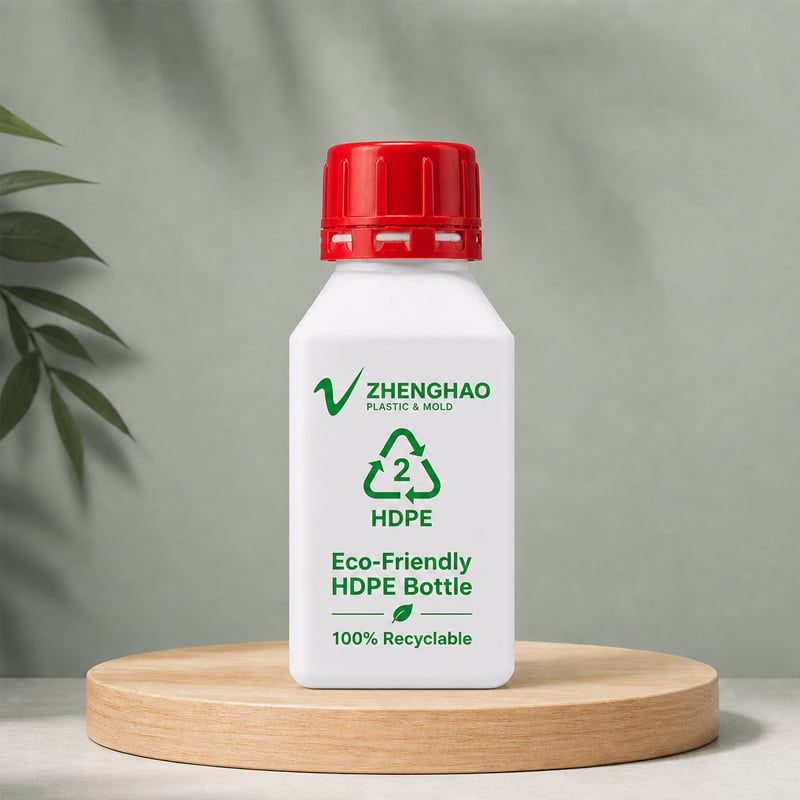
Understanding how to identify and recycle HDPE bottles is essential for businesses and consumers committed to environmental sustainability. The HDPE bottle, or high-density polyethylene container, has become one of the most widely used packaging materials across industries including chemicals, pharmaceuticals, food, and household products. Proper identification and recycling of these containers not only reduces landfill waste but also supports circular economy principles and helps organizations meet corporate sustainability goals.
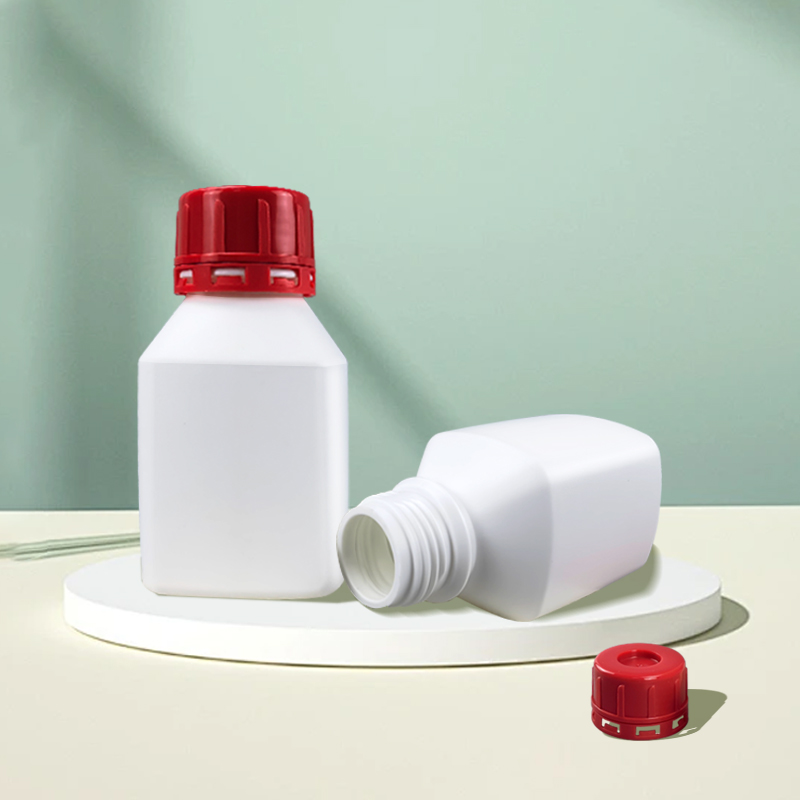
HDPE bottles represent a significant portion of recyclable plastic waste globally. Unlike single-use alternatives, high-density polyethylene containers offer durability, chemical resistance, and multiple life cycles through recycling. Recognizing the physical characteristics, resin identification codes, and material properties of HDPE bottles enables proper sorting at recycling facilities and maximizes the value recovered from plastic bottle storage systems. This comprehensive guide walks through identification methods, recycling processes, and best practices for handling these essential containers.
Identifying HDPE Plastic Bottles and Their Characteristics
Understanding Resin Identification Codes
Every recyclable plastic bottle storage container displays a resin identification code to indicate material composition. The hdpe bottle uses the number 2 symbol, typically printed inside a triangle at the base or side of the container. This resin code immediately distinguishes high-density polyethylene containers from other plastics like PET (1), PVC (3), LDPE (4), or polypropylene (5). Looking for this specific marking is the fastest way to identify whether a given plastic bottle qualifies for HDPE recycling programs.
Physical and Visual Properties
High-density polyethylene containers display distinct physical characteristics that aid visual identification. These recyclable plastic bottles typically feature a rigid, opaque appearance with moderate stiffness compared to softer LDPE alternatives. The material exhibits excellent chemical resistance, making it ideal for storing acids, bases, and solvents in industrial and laboratory settings. HDPE Plastic bottles often have a slightly waxy or slippery texture and range from translucent to completely opaque depending on colorants and additives used during manufacturing. Their structural integrity allows them to maintain shape even after repeated use, compression, and thermal cycles.
The Recycling Process for High-Density Polyethylene Containers
Collection and Sorting Stage
Recycling programs begin by collecting used high-density polyethylene containers from residential, commercial, and industrial sources. Once collected, plastic bottle storage items are transported to material recovery facilities where trained workers and optical sorting systems identify and separate materials by resin type. The high-density polyethylene container stream is sorted from mixed plastics using both visual inspection and automated density-based separation technology. Contamination removal occurs at this stage, with non-plastic items and incompatible materials removed to protect downstream processing equipment and final product quality.
Cleaning, Shredding, and Processing
After sorting, recyclable plastic bottles undergo thorough cleaning to remove residues, labels, and adhesives. The high-density polyethylene containers are then shredded into small flakes, which are washed again to eliminate any remaining contaminants. These cleaned flakes are dried completely before melting, a critical step that ensures product consistency and prevents degradation during thermal processing. The melted material is formed into small plastic pellets called nurdles, which become the feedstock for manufacturing new products. This transformation of used HDPE bottles into virgin-quality pellets enables an almost infinite recycling cycle without significant loss of material properties.
Applications and Benefits of Recycling HDPE Bottles
Industrial and Commercial Applications
Recycled high-density polyethylene containers serve numerous industries requiring durable plastic bottle storage solutions. Chemical manufacturers utilize recycled HDPE for new packaging of industrial fluids, detergents, and specialty chemicals. The automotive sector incorporates recycled pellets into fuel tanks, air ducts, and protective components. Construction and infrastructure applications include drainage pipes, plastic lumber for outdoor structures, and protective barriers. Recycling high-density polyethylene containers generates significant economic value while reducing virgin plastic demand and associated carbon emissions from crude oil extraction and processing.
Environmental and Economic Benefits
Recycling programs focused on recyclable plastic bottles create measurable environmental impact across multiple dimensions. Each ton of HDPE recycled prevents approximately one ton of material from entering landfills, reducing methane emissions and environmental contamination. Energy consumption during recycling processes is substantially lower than virgin plastic production, contributing to reduced carbon footprints for organizations implementing comprehensive plastic bottle storage solutions. Economically, recycled high-density polyethylene pellets command lower prices than virgin materials while maintaining performance characteristics, making them attractive for cost-conscious manufacturers. Communities benefit through job creation in collection, sorting, and processing sectors, while businesses reduce waste management costs and enhance sustainability credentials.
FAQ
How can I tell if a plastic bottle is HDPE?
The most reliable way is to look for the number 2 resin code inside a recycling triangle printed on the container. Additionally, HDPE bottles feel rigid and durable, typically have an opaque appearance, and resist puncture or denting better than softer plastics. Checking for this identifying mark takes only seconds and ensures accurate sorting into recycling streams.
Can all HDPE bottles be recycled through standard curbside programs?
Most HDPE bottles qualify for standard curbside recycling; however, containers previously holding hazardous materials or industrial chemicals may require special handling or pre-cleaning depending on local regulations. Check local recycling guidelines to confirm whether high-density polyethylene containers from specific applications need special treatment. Contact your municipality or waste management provider for clarification on any unusual or industrial plastic bottle storage items.
What happens to recycled HDPE material after collection?
Recycled high-density polyethylene is cleaned, shredded, melted into pellets, and sold to manufacturers who transform it into new products including bottles, plastic lumber, automotive parts, and industrial containers. This transformation enables a true circular economy where recyclable plastic bottles continuously re-enter production cycles, reducing virgin resource extraction and environmental impact while supporting sustainable manufacturing practices.