
 EN
EN
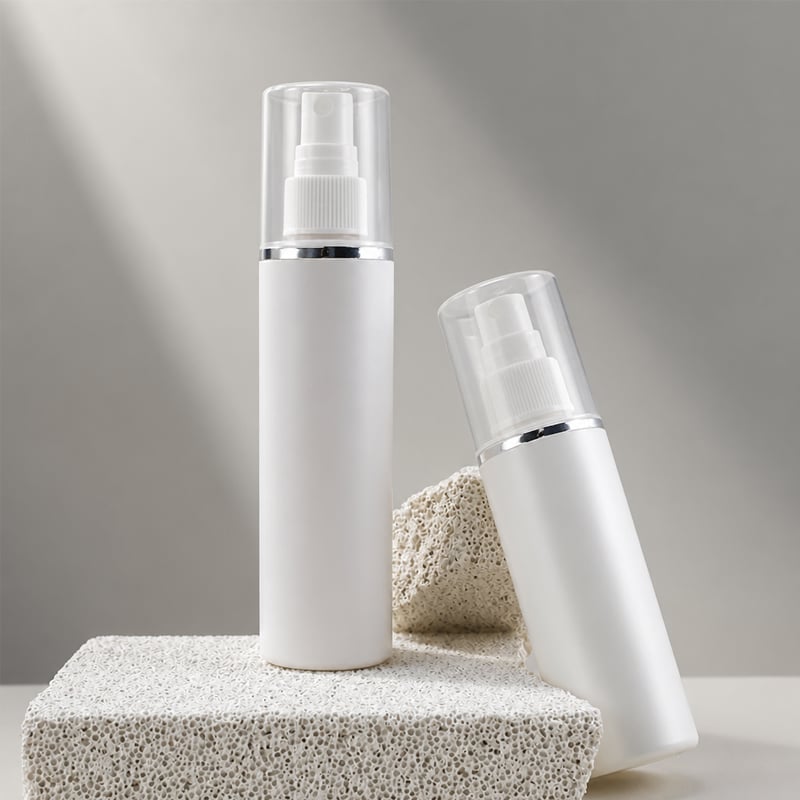
Choosing to customize a mist spray bottle requires careful planning and strategic decision-making. Whether you're developing a cosmetic line, creating a cleaning solution, or producing a specialized industrial product, the customization process involves multiple technical and business considerations that directly impact product performance, brand perception, and cost efficiency. Understanding these key factors before you commit to production will help you avoid costly mistakes and ensure your final product meets both customer expectations and regulatory standards.
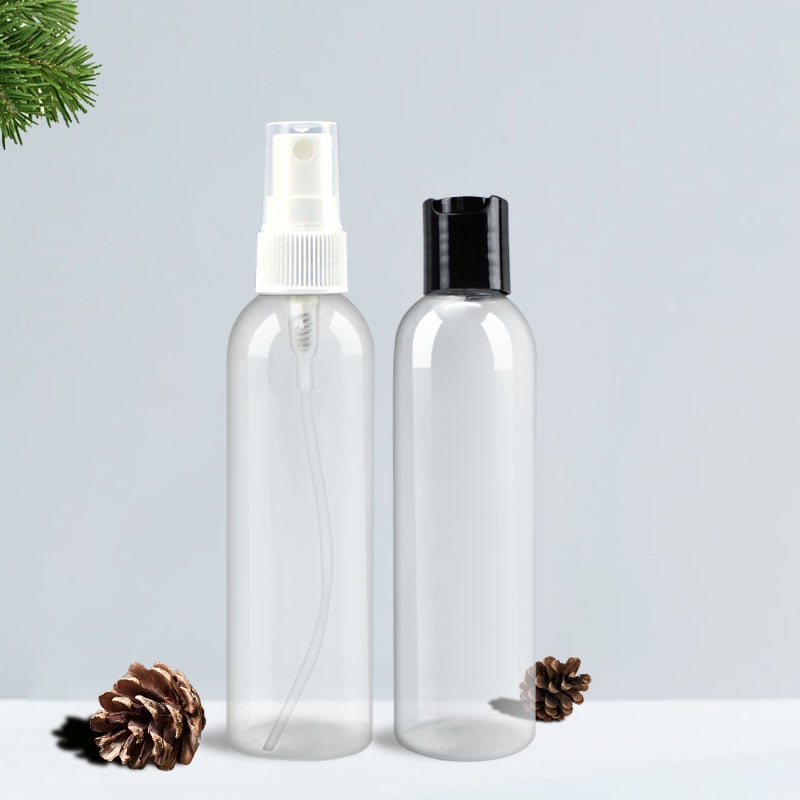
The customization journey involves evaluating spray mechanism types, material compatibility, volume capacity, and aesthetic design elements. Each decision interconnects with others, affecting functionality, sustainability, shelf appeal, and manufacturing cost. By examining these considerations systematically, you can make informed choices that align with your product vision and market positioning.
Understanding Your Product Requirements and Application
Identifying the Right Spray Mechanism for Your Product
The spray mechanism is the heart of any mist spray bottle. Different formulations demand different atomization technologies. A fine mist atomizer works exceptionally well for personal care products like facial toners, setting sprays, and perfumes because it creates an ultra-fine, even mist that minimizes waste and enhances user experience. For cleaning products, agricultural solutions, or industrial applications, you might prefer a continuous mist sprayer that delivers consistent coverage without requiring repeated trigger pulls. Understanding your specific spray bottle uses will guide you toward the right mechanism that delivers your product effectively while meeting customer expectations.
Evaluating Liquid Compatibility and Container Materials
Not all container materials work equally with all formulations. If your product contains alcohol, essential oils, or aggressive chemicals, you need a fine mist atomizer paired with compatible materials such as glass or high-density polyethylene rather than standard PET plastic. Water-based formulations offer more flexibility in material selection. The spray bottle uses you've identified should inform your material choices, as incompatible pairings can lead to chemical degradation, compromised product integrity, and safety issues. Testing your specific formulation with proposed materials before full customization is a critical step that protects your investment and brand reputation.
Design Specifications and Manufacturing Constraints
Capacity, Volume, and Practical Utility Considerations
Volume capacity directly affects user convenience, shipping costs, and shelf space requirements. A 30ml mist spray bottle suits luxury cosmetics and premium positioning but may feel undergenerous for household cleaning products. A 500ml continuous mist sprayer works well for garden applications but becomes impractical for fine facial mists. Consider your target customer's usage patterns, refill frequency preferences, and storage capabilities. Volume also influences the spray mechanism's reliability—smaller capacities often produce more consistent misting with finer atomization, while larger volumes may require more robust pump systems to maintain pressure.
Trigger Design, Ergonomics, and User Experience
The trigger mechanism determines ease of use, spray consistency, and customer satisfaction. A continuous mist sprayer typically features a locking trigger for prolonged application, while a standard fine mist atomizer requires repeated trigger pulls for controlled application. Consider your end user's physical capabilities, application frequency, and environmental conditions. Will users wear gloves? Will the bottle sit on shelves or be hand-held? Will it be used repeatedly in a single session? These questions should shape your trigger design choices. An ergonomic, intuitive trigger mechanism reduces user frustration and encourages repeat purchases.
Cost, Quality, and Brand Positioning Strategy
Balancing Customization Complexity with Production Economics
Customization introduces manufacturing complexity that affects unit costs and minimum order quantities. A simple fine mist atomizer with standard materials and minimal branding requires lower minimums than a fully customized continuous mist sprayer with specialty materials, unique trigger mechanisms, and multi-color labeling. Understanding your projected sales volume helps determine whether extensive customization justifies the higher unit costs and production minimums. Sometimes a streamlined approach using semi-custom options delivers better margins and faster time-to-market than pursuing maximum customization.
Quality Standards, Testing Protocols, and Regulatory Compliance
Custom spray bottles must meet regulatory requirements for your industry. Cosmetic applications require different compliance than agricultural or pharmaceutical uses. Testing protocols should verify spray consistency, mist particle size, delivery accuracy, and durability under repeated use. A fine mist atomizer producing inconsistent spray undermines your product's quality perception and generates customer complaints. Working with experienced manufacturers who maintain rigorous quality control ensures your customized mist spray bottle performs reliably across production runs, protecting your brand reputation and reducing liability exposure.
FAQ
How do I know which spray mechanism suits my product best?
The choice between a fine mist atomizer and a continuous mist sprayer depends on your product type, target user, and application frequency. Personal care products typically benefit from a fine mist atomizer that creates a light, even mist with minimal waste. Household cleaning or garden products often perform better with a continuous mist sprayer for broader coverage. Test your specific formulation with each mechanism type to confirm spray consistency, delivery volume, and user satisfaction before committing to full production.
What material should I choose for a custom mist spray bottle?
Material selection depends primarily on your product's chemical composition. Water-based formulations work well with standard PET plastic, which offers cost-effectiveness and transparency. Alcohol, essential oils, or aggressive chemicals require glass or high-density polyethylene to prevent degradation. Consider your sustainability goals, cost targets, and brand positioning when evaluating materials. Always test your specific formulation with proposed materials to confirm compatibility and prevent product loss or safety issues.
What minimum order quantities should I expect when customizing a mist spray bottle?
Minimum order quantities vary significantly based on customization scope. Semi-standard configurations with basic branding typically require 5000-10000 units. Fully customized designs with unique spray mechanisms, specialized materials, or complex labeling may require 50000 units or higher. Discuss your volume projections and business timeline with manufacturers to find options that balance unit costs with achievable order minimums, ensuring your customization strategy aligns with realistic market demand.