
 EN
EN

השימוש החוזר בקבוקי כימיקלים פלסטיים הפך לנדיר יותר מעבדות, מתקני תעשייה וסביבות מסחריות, כאשר ארגונים מחפשים צעדים לחיסכון בעלויות ולצמצום פסולת. אם כי גישה זו עלולה להראות תחתית מבחינה כלכלית ומודעת סביבתית במבט ראשון, היא יוצרת סדרה מורכבת של סיכונים בתחום הבטיחות, ההתאמה לתקנות והביצועים, אשר עלולים לפגוע בשלמות הכימיקלים, בבטיחות העובדים ובאמינות הפעולה. הבנת הסיכונים הללו חיונית לכל מי שמתפקד כממונה על אחסון כימיקלים, פרוטוקולי טיפול בהם או ניהול בטיחות במקום העבודה.
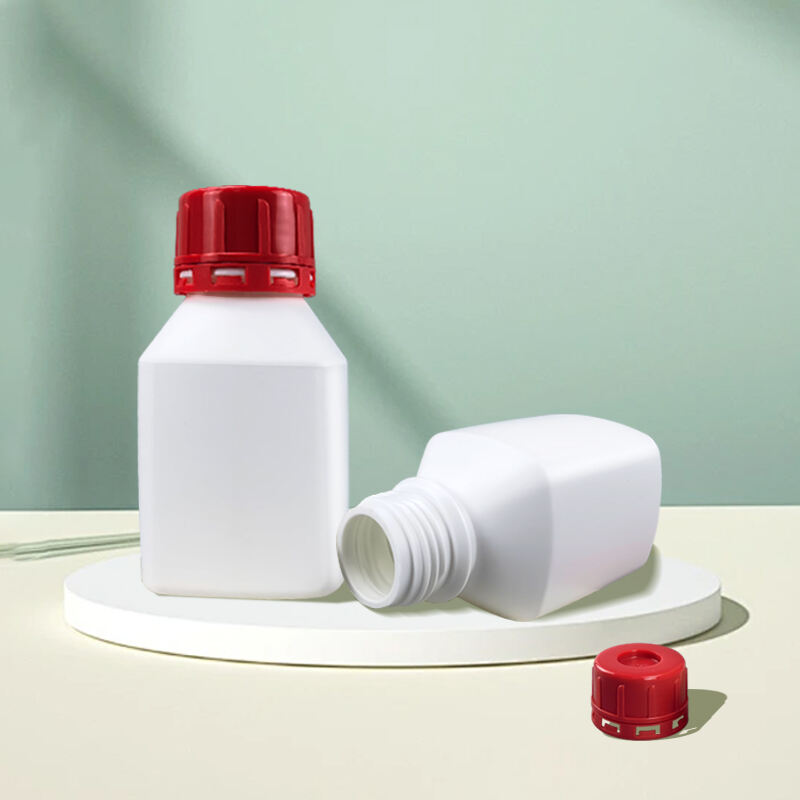
בקבוקי כימיקלים מפלסטיק מעוצבים במיוחד ליישום חד-פעמי או ליישומים עם מספר מחזורים מוגבל, עם פרמטרי תאימות כימית מוגדרים. כאשר מכלי פלסטיק אלו משומשים מחדש מעבר למחזור החיים המתוכנן שלהם, מבנה המולקולה של הפלסטיק עלול להידרדר, מסלולי ההטיה מתפשטים, והתכונות הבטיחותיות הופכות לאפקטיביות. מאמר זה בוחן את הסיכונים הספציפיים הקשורים בשימוש חוזר בקבוקי כימיקלים מפלסטיק, ומספק תובנות טכניות בנוגע לדרדרות החומר, לסיכוני זיהום צולב, לכשלים מבניים, לעבירות תקנות, ולעלות הנסתרת שغالב times מבטלת כל חיסכון נדמה מהשימוש החוזר.
דרדרות החומר וההתפרקות של התאימות הכימית
דרדרות מבנה הפולימר вследствие חשיפה חוזרת
הסיכון הבסיסי בשימוש חוזר בקבוקים כימיים מפלסטיק נובע מהחומרה ההולכת והגדלה של שרשראות הפולימר בחומר הבקבוק. רוב קבוקי הפלסטיק הכימיים מיוצרים מפוליאתילן בצפיפות גבוהה, פוליפרופילן או פלסטיקים פלואורinated, אשר לכל אחד מהם פרופילים ספציפיים של התנגדות למשפחות כימיקלים שונות. כאשר קבוק ממלא לראשונה בכימיקל, מתחילות מיד אינטראקציות מולקולריות במשטח המגע בין הקבוק לכימיקל. מסיסים אגרסיביים, חומצות חזקות או סוכני חמצון יכולים להתחיל שבירת שרשראות הפולימר, ליצור סדקים מיקרוסקופיים ולהגביר את חדירותו עם הזמן.
במחזור השימוש הראשון, שינויים אלו עשויים להישאר בתוך טווח הסובלנות המותר. עם זאת, חשיפה חוזרת מאיצה את תהליך הידרדרות החומר באופן אקספוננציאלי ולא ליניארי. המטריקס הפלסטי הופך נקבובי יותר ויותר, מה שמאפשר לכימיקלים לחדור לעומק רב יותר לתוך מבנה הקיר. ספיגה זו מתחת לפני השטח יוצרת מאגרים של חומרים ששימשו בעבר, שאינם ניתנים להסרה באמצעות הליכי ניקוי רגילים. כאשר כימיקל שונה מאוחסן לאחר מכן בצלחת זהה, עלולים להתרחש תגובות לא צפויות בתוך המטריקס הפלסטי עצמו, דבר שעלול ליצור תוצרים לוואי מסוכנים או לפגוע בתכולה, בהתייצבות ובנקיון הכימיקל החדש.
אובדן תכונות התנגדות כימית
יצרנים מעצבים בקבוקי כימיקלים מפלסטיק עם דירוגי התנגדות כימית ספציפיים המבוססים על תנאי חשיפה מבוקרת וسينarios של שימוש יחיד או שימוש מוגבל. הדירוגים הללו מניחים שהפלסטיק ישמור על המבנה המולקולרי המקורי שלו והתכונות הواقיות שלו לאורך זמן השירות שנקבע לו. השימוש החוזר בקבוקים עם כימיקלים שונים פוגע בהנחות העיצוב הבסיסיות הללו. קבוק שמכיל בתחילה פתרון מימי מתון עלול לאבד את ההתנגדות הכימית שלו כאשר יחשף מאוחר יותר בממס אורגני, גם אם הממס הזה היה תואם בדרך כלל לפלסטיק טרי מסוג זה.
האפקט הסינרגי של חשיפות רצופות למשפחות כימיות שונות יוצר מצבי כשל בלתי צפויים. לדוגמה, בקבוק שמשמש תחילה לפתרונות אלקליניים עלול לפתח סדקים מיקרוסקופיים במתח שנותרים בלתי נראים עד שהבקבוק מתמלא לאחר מכן בחומר חומצי או ממס. החומר הכימי השני יכול אז לנצל את החולשות הקיימות מראש, מה שמוביל לכישלון מבני פתאומי. תופעה זו מסוכנת במיוחד מכיוון שבידיקת עין לא ניתן לזהות את הנזק המצטבר, והכישלון מתרחש לעתים קרובות ללא אזהרה במהלך הפעלה או אחסון.
הגירה של מחממים ושינויי תכונות פני השטח
רבים מהבקבוקים הפלסטיים לשימוש כימי מכילים פלסטייזרים ותוספים שמספקים גמישות, עמידות ל־UV או יציבות כימית משופרת. שימוש חוזר וחשיפה לכימיקלים שונים יכולים לגרום לנטישה של התוספים האלה מהמטריצה הפלסטית, מה שמאלתר באופן יסודי את תכונות החומר. כאשר הפלסטייזרים מגרים מהפלסטיק, הבקבוק הופך שביר ונוטה לסתירה. להיפך, כימיקלים מסוימים עלולים לגרום לפלסטייזרים לנדוד לעומק רב יותר בדופן הבקבוק, ויוצרים אזורים רכים המפרים את השלמות המבנית ומעלים את חדירותו.
הנדידה הזו של התוספים יוצרת סיכון כפול לזיהום. הכימיקלים הנשמרים בקבוקים פלסטיים לשימוש כימי שהושמשו מחדש בקבוקים פלסטיים לשימוש כימי יכולים להזדהם בפלסטייזרים ותוספים אחרים שמתפוגגים מהפלסטיק המופגע, בעוד שהבקבוק עצמו מאבד את התכונות ההגנתיות שאותן סיפקו התוספים הללו במקור. ביישומים של כימיה אנליטית, גם כמויות זעירות של תרכובות שעברו מigrations יכולות לפסול תוצאות בדיקות או לפגוע בביצועי ניסויים רגישים. בהקשר תעשייתי, זיהום זה עלול להשפיע על איכות המוצר, להפעיל תגובות לא רצויות או ליצור מצבים מסוכנים כאשר חומרים בלתי תואמים מתערבבים באופן לא צפוי.
סיכונים של זיהום מעברי והפרת טהרה
שימור כימי שאריות במטריצה הפלסטית
אחד הסיכונים החשובים ביותר בעת שימוש חוזר בקבוקי פלסטיק כימיים הוא אי-היכולת להסיר לחלוטין את כל השרידים של התכנים הקודמים. בניגוד לזכוכית או לפלדת אל חלד, אשר יש להן משטחים לא מسامיים שניתן לנקות אותם באופן מקיף, חומרים פלסטיים סופגים כימיקלים לתוך המבנה המולקולרי שלהם. תהליכי ניקוי רגילים עלולים להסיר שאריות נפוצות וזיהום על פני השטח, אך אינם יכולים למשוך כימיקלים שנחדרו לתוך המטריצה הפלסטית. שאריות אלו נותרות ללא הגבלה בזמן ומזדהרות לאט לתוך התכנים החדשים הנמצאים בקבוק.
היקף השאריות הנותרות תלוי בכמה גורמים, ביניהם הקוטביות של החומר הכימי, משך זמן האחסון, החשיפה לטמפרטורה וסוג הפלסטיק. מסיסים אורגניים ותרכובות ארומטיות נוטים במיוחד לחדור לעומק בקבוקים מפוליאתילן ופוליפרופילן. גם לאחר שטיפה מקיפה עם מספר מסיסים, כמויות זעירות נותרות מוטמעות בתוך הפלסטיק. כאשר הבקבוק מתמלא מחדש, שאריות אלו משתחררות לאט לתכולה החדשה, מה שגורם לזיהום שאולי לא יתגלה עד לביצוע בדיקות אנליטיות שיגלו תרכובות בלתי צפויות או עד להתרחשות תגובה מסוכנת בין השאריות לתכולה החדשה.
ערבוב כימיקלים לא תואמים באמצעות שימוש סדרתי
השכפול של בקבוקי פלסטיק כימיים ללא הערכה מקיפה של התאמה הכימית יוצרת מצבים מסוכנים שבהם כימיקלים שאינם תואמים מתערבבים באופן לא מכוון דרך זיהום שאריות. בקבוק ששימש בעבר סוכן מחמצן ובהמשך ממלאים אותו בסוכן מפחית יוצר תנאים לתגובות אקסותרמיות ספונטניות. באופן דומה, שאריות חומצה שמתחברות לבסיסים או תרכובות רגישות למים שנחשפות לרטיבות שהצטברה בין החוטים של הבקבוק עלולים ליצור מצבים מסוכנים שמתפשטים מהפירוק הכימי ועד לתגובות אלימות.
הסיכון משתרע מעבר לאי-התאמות המובנות בין חומרים חזקים. ישנן רבות האינטראקציות הדקות בין שאריות זעירות לתוכן החדש שיכולות לפגוע בהיציבות הכימית או ליצור תוצרים לוואי רעילים. יישומים פרמצבטיים וביוטכנולוגיים הם פרוותיים במיוחד, מאחר שאפילו זיהום ברמות של חלק אחד למיליארד יכול להשפיע על היעילות של המוצר או על ביטחון המטופל. מעבדות בקרת איכות נתקלות באתגרים דומים, כאשר התוצאות האנליטיות הופכות ללא אמינות בגלל הפרעות הנגרמות משאריות כימיות קודמות בקבוקים שמשומשים מחדש. בעיות הזיהום הללו מופיעות לעתים קרובות באופן הדרגתי, מה שמקשה על זיהוי הסיבה העמוקה ועשוי לאפשר לחומרים פגומים להגיע למשתמשים הסופיים לפני שמתגלה הבעיה.
יצירת ביופילם וזיהום מיקרוביאלי
בקבוקי פלסטיק כימיים שמכילים תמיסות מימיות או חומרים ביולוגיים נמצאים בסיכון זיהום נוסף בשל היווצרות סרטנים ביולוגיים. סדקים מיקרוסקופיים, חריצים הנגרמים כתוצאה מחשיפה כימית וסוערויות על פני השטח שנוצרו במהלך השימוש מספקים אתרי הדבקה אידיאליים לקולוניות של בקטריות ופטריות. לאחר שהסרטנים התייצבו, קשה מאוד להסירם לחלוטין, גם באמצעות דישינפקציה כימית אגרסיבית. המיקרוארגניזמים בתוך הסרטנים מוגנים על ידי מטריצות חוץ-תאיות שמתנגדות לרבים מההליכים הנפוצים לסטריליזציה.
כאשר בקבוקים עם פילמים ביולוגיים מוכנים משמשים מחדש לאחסון כימיקלים רגישים, חומרים טכניים או חומרים ביולוגיים, זיהום זה יכול להתרבה במהירות. מיקרואורגניזמים עלולים למטבול את התכולה הכימית, לייצר תוצרים צדדיים בלתי צפויים או לצרוך את הרכיבים הפעילים. ביישומים של תרבות תאים או בהכנה פרמצבטית, זיהום מיקרוביאלי מהבקבוקים שמשמשים בשנית עלול לבטל לחלוטין סדרות ייצור שלמות. ההשפעה הכלכלית של אירועים כאלה של זיהום בדרך כלל עולה בהרבה על כל החיסכון שהושג באמצעות השימוש בשנית בקבוקים, מבלי לקחת בחשבון את ההשלכות האפשריות על הבטיחות אם חומרים מזוהמים יגיעו לחולים או למשתמשים הסופיים.
תקלות בשלמות המבנית ותאונות בטיחות
התפרצויות מתח וצורות כישלון קטסטרופליות
השימוש החוזר בקבוקי כימיקלים מפלסטיק מעמיד את החומר למתח מכני מצטבר שמערער בהדרגה את שלמותו המבנית. כל מחזור של מילוי, טיפול וריקון יוצר ריכוזי מתח בנקודות קריטיות, כולל צוואר הבקבוק, אזורים שבהם מחוברים הידיות והפינות בבסיס. כאשר מתח זה מתווסף לתקיפה כימית על המטריצה הפלסטיקית, נקודות המתח הללו הופכות לאתרי התחלה של סדקים שמתרחבים דרך דופן הבקבוק. תופעת הסדקים הנגרמים ממתח סביבתי זו היא בעלת אופי מרמה במיוחד, משום שהסדקים נוטים להתפתח מבפנים לפני שמתגלים על פני השטח החיצוני.
כישלון קטסטרופלי של בקבוקי כימיקלים פלסטיים במהלך הפעולה יוצר סיכונים חמורים לבריאות ולבטיחות, כולל חשיפה לכימיקלים, שפיכות והזדמנויות לפציעות. בקבוק שמתפוצץ לפתע בעת הובלה עלול לזרוק נוזלים קורוזיביים לעובדים, לזבל שטחים גדולים וליצור שחרור אדים מסוכנים. הכישלון מתרחש לרוב ללא אזהרה מראש, מה שנותן לעובדים לאף הזדמנות למנוע חשיפה או להגביל את השפיכה. במתקנים המטפלים בכמויות גדולות של כימיקלים מסוכנים, כישלון בקבוק אחד בלבד יכול להפעיל פרוטוקולי תגובה חירום, פינוי המתקן ופעולות ניקוי יקרות, שעלותן עולה בהרבה על העלות הטריוויאלית של שימוש בקופסאות חדשות ומוקדשות.
הדרוג של מערכת הסגירה ופיתוח דליפות
מערכות האטימה על בקבוקי כימיקלים פלסטיים מדרדרות באופן משמעותי עם שימוש חוזר, גם אם גוף הבקבוק נראה שלם. כיסויי חיבוק, אטימות בטיחותיות ואטמי החתימה סובלים מהחזרה על פעולות הפתיחה והסגירה, חשיפה לכימיקלים ותהליכי ניקוי. החריצים על הבקבוק ועל הכיסוי עלולים להישחק או להתעקל, מה שמונע את האטימה הנכונה. חומרי האטמים עלולים לקשוח, להתנפח או לדרדר כאשר הם מוצאים לחשיפה לכימיקלים שונים, ובכך מאבדים את יכולתם ליצור אטימה חסימת אדים.
מערכות סגירה פגועות יוצרות סכנות מרובות כולל פליטות אדים, דליפות איטיות במהלך אחסון, ושפיכות במהלך תחבורה. כימיקלים נדלחים הנעפים דרך חותמות מפורסות יוצרים סכנות של שאיפה ומזהמים את אזורי האחסון. דליפות איטיות עלולות להתעלם עד שמספרים משמעותיים יצאו, ויוצרים סכנת שריפה, אוויר רעיל או זיהום סביבתי. תחבורה של מכולות עם סגורים פגומים מפרת את תקנות השיט ומייצרת סיכונים באחריות. כיסוי מגן על ילדים ומחיצות בלתי ניתנות לטיפול המיועדות לשימוש חד פעמי לא יכולות לשוב בשימוש באופן אמין, ובכך מונעות תכונות בטיחות חשובות המגינות מפני חשיפה מקרית או גישה לא מורשית.
שינויים מממדים המשפיעים על השיתוף עם ציוד
חשיפה כפולה לחומרים הכימיים ומחזורי ניקוי גורמים לשינויים ממדיים בקבוקי פלסטיק לכימיקלים, מה שמשפיע על התאמה שלהם לציוד הזרקה, מדפים לאחסון ולמערכות ידני אוטומטיות. קבוקים עלולים להתנפח, לעוות או לקטון בהתאם לחומרים הכימיים שבהם באים במגע ולטמפרטורות שהן חוו. שינויים ממדיים אלו עלולים למנוע התאמה תקינה במיקומי האחסון המיועדים, לפגוע במערכות הזרקה אוטומטיות או ליצור אי-יציבות בתצורות האחסון.
בקבוק שמתאים פחות בביטחון במיקום המתוכנן שלו בעמדת האחסון עלול ליפול בעת הוצאתו, מה שעלול לגרום לשבר ולשחרור כימי. בקבוקים מעוותים עלולים לא לעמוד באופן יציב על צירם, מה שמגביר את הסיכון להתהפכות בזמן אחסון או שימוש. במערכות אוטומטיות התלויות בממדים מדויקים של הבקבוק לצורך טיפול רובוטי או פעולות פיזור, סטיות בממדים הנובעות משימוש חוזר בקבוקים עלולות לגרום לקשיי תפעול, שגיאות בתוכנה או כשל מערכת מלא. הפרעות תפעוליות אלו מפחיתות את היעילות ויוצרות סיכונים נוספים לשלום כאשר יש צורך בהתערבות אנושית כדי לתקן בעיות הנובעות מכך שמכלי האחסון נדחקו.
הפרות של דרישות התאמה לתקנות וחשיפה לתביעות
הפרת תקנות אחסון חומרים מסוכנים
מסגרות רגולטוריות המנחות את אחסון ותפעול חומרים מסוכנים מגדירות בדרך כלל דרישות לשלמות המיכלים, תאימות כימית והדבקת תוויות מתאימות. השימוש החוזר בקבוקי פלסטיק לכימיקלים לעתים קרובות מהווה הפרה של תקנות אלו על ידי פגיעה בשלמות המיכלים ויצירת מצבים של תוויות לא ברורות. תקנות כגון סטנדרט התקשורת בסיכונים של OSHA דורשות שהמיכלים ישמורו על שלמותם והתוויות יorefכו באופן מדויק את התכולה הנוכחית. כאשר קבוקים משמשים מחדש לכימיקלים אחרים, התוויות המקוריות הופכות למטעה גם אם מודבקות תוויות חדשות, מאחר שזיהום שאריות מהכימיקלים הקודמים יוצר הצגה לא מדויקת של התכולה שבקבוק.
תקנות התחבורה שהטילו סוכנויות כגון מחלקת התחבורה מחייבות דרישות קשיחות לאריזות המשמשות למשלוח חומרים מסוכנים. תקנות אלו מחייבות את השימוש באריזות שמתאימות לסטנדרטים מסוימים של ביצועים ולא נפגעו всרבה קודמת. החזרת שימוש בבקבוקי פלסטיק כימיים למשלוח חומרים מסוכנים מהווה הפרה של תקנות אלו ויוצרת חשיפה משמעותית ל אחריות. במקרה של אירוע תחבורה שכולל מיכלים בשימוש חוזר, ארגונים עלולים להיענש בעיצומים גדולים, לשאת באחריות משפטית ולעמוד בפני עונשים פליליים בשל הפרות ידועות של דרישות התחבורה של חומרים מסוכנים.
השלכות אחריות מוצר ובטחון איכות
ארגונים המייצרים או מפיצים כימיקלים, תרופות או מוצרים רגישים אחרים מוצרים מגלים סיכונים גדולים באחריות למוצרים בעת השימוש בקבוקי כימיקלים מפלסטיק משומשים בתפעול שלהם. זיהום מהשימוש הקודם בקבוקים עלול לפגוע באיכות המוצר, ולהוביל לכשלים במוצר, תלונות לקוחות או אירועים של סיכון לביטחון. בתעשיית התרופות והמזון, זיהום מוצר ממכלי אחסון משומשים עלול להוביל לפעולות אכיפה רגולטוריות, כולל מכתבים אזהרה, פסקי הסכמה או סגירת המתקנים.
מערכות ניהול איכות המאושרות לתקנים של איזו דורשות את possibilité לעקוב אחר ההיסטוריה, תהליכי ניקוי מאומתים ותיעוד של אישור הקונטיינרים. החזרת שימוש בקבוקי כימיקלים מפלסטיק ללא פרוטוקולי אימות קפדניים מהווה הפרה של דרישות מערכות האיכות הללו ומערימה סיכון לאישורים. כאשר מתרחשים אירועים של זיהום, חקירות עלולים לחשוף תהליכים שגרתיים של החזרת השימוש בקונטיינרים, אשר מעידים על בקרת איכות לקויה. הביקורת הרגולטורית הנובעת מכך, השעיית האישורים ואיבוד אמון הלקוחות גורמים לנזק שמתגלה בדרך כלל כגדול בהרבה מהחיסכון הכספי שנותנת החזרת השימוש בקונטיינרים.
התאמות סביבתיות ובעיות ניהול פסולת
בקבוקי פלסטיק משומשים לשימוש כימיקלים יוצרים קשיים בתוכניות התאמה לסביבה וניהול פסולת. בקבוקים עם זיהום שאריות ממספר כימיקלים הופכים לקשים לסיווג למטרות 처ת פסולת. שילוב השאריות עלול ליצור זרמי פסולת הדורשים טיפול כפסולת מסוכנת, גם כאשר כל כימיקל בנפרד לא היה גורם לסיווג כזה. היסטוריה לא ברורה של זיהום מקשה את אפיון הפסולת כראוי, מה שעלול להוביל לסיווג לא תקין של הפסולת ולעבירות סביבתיות.
כשבקבוקים נכשלים בשימוש או מוסרים מהשירות בסופו של דבר, פרופיל הזיהום המורכב שלהם מקשה על המחזור או על הסילוק. מתקנים עלולים להיות חייבים לטפל בקופסאות אלו כבזבל מסוכן, מה שגורם לעלות סילוק גבוהות יותר מאשר היו נגרמות אם היו מנהלים את הקופסאות חד-פעמיות בצורה תקינה. ביקורות סביבתיות שמגלות שימוש חוזר שיטתי בקבוקי פלסטיק לכימיקלים עלולות לזהות את התהליכים הללו כפגמים בתוכניות מניעת זיהום, ודורשות פעולות תקן ומערכת מעקב מתמשכת. החשיפה לתחום אחריות סביבתי כתוצאה ממנהג לא תקין בניהול קיבועים יכולה להימשך שנים רבות, במיוחד אם הקופסאות שנזרקו מאוחרת יותר יגרמו לזיהום במתקני ניהול פסולת.
העלויות הנסתרות והניתוח הכלכלי של תהליכי השימוש החוזר
מקרים של חוסר איכות הפרעות בייצור
החסכון בעלות הנראה מהשימוש חוזר בבקבוקי כימיקלים מפלסטיק נעלם במהרה כאשר מתרחשים אירועים של ירידה באיכות. אירוע זיהום בודד שפוגע באצווה ייצור עלול לבזבז חומרי גלם, לבלוע זמן עובד לצורך חקירה ותיקון, ולגרום לעיכובים באספקת המוצרים. בייצור תרופות, אירוע זיהום שמקורו בשימוש חוזר במיכלים עלול לבטל מסעות ייצור שלמים, מה שגורם לאובדים הנמדדים במאות אלפי או מיליוני דולרים. גם בתעשייה פחות מוסדרת, כשלים באיכות שנובעים מזיהום המיכלים פוגעים ביחסי הלקוחות ובשנת המותג.
הפרעות בייצור הנגרמות על ידי כישלון של מיכלים יוצרים השפעות מבניות על הפעילות. כאשר בקבוק נבקע ומשחרר את תכולתו, הליכי הניקוי עלולים לדרוש סגירת אזור הייצור, דיקונטמינציה של הציוד, וחקירות בטיחות. עובדים שנחשפו לשחרור כימי עשויים להזדקק להערכה רפואית ולשהות מחוץ לעבודה. הפרעות פעילות אלו פוגעות בכושר הייצור ומייצרות קשיי תכנון שמשפיעים על הסיבולת הכוללת של המתקן. ההשפעה הכלכלית המצטברת של אירועים הקשורים בקבוקי כימיקלים פלסטיים משומשים עולה בדרך כלל פי כמה על עלות השימוש במיכלים חדשים ומוקדשים.
דרישות לבדיקות אנליטיות ואימות
ארגונים שמבחרים לשחזר בקבוקי כימיקלים מפלסטיק באופן אחראי חייבים ליישם תוכניות נרחבות לבדיקות ואישור כדי להבטיח שהכלי יישארו מתאימים למטרת השימוש המיועדת שלהם. הבדיקות הללו חייבות לכלול ניתוח של זיהום שאריות, הערכת שלמות המבנית ואמת התאמות עבור כל כימיקל חדש שיאוחסן בקבוקים שכבר שימשו בעבר. עלויות הבדיקות האנליטיות, דרישות התיעוד והזמן של הצוות הנדרש לתוכניות האישור הללו לעתים קרובות עולמות את מחיר הקנייה של כלי חדשים, מה שמאלץ כל הצדקה כלכלית לשימוש חוזר.
פרוטוקולי האימות חייבים להתייחס לא רק לכרומטיקלים הספציפיים שנשמרו בעבר, אלא גם למוצרים נגזרים פוטנציאליים, חומרים שניתן לשלוף מהפלסטיק עצמו, וההשפעות המצטברות של מחזורי שימוש מרובים. אימות מקיף בהתאם להנחיות שפורסמו דורש ציוד אנליטי מתקדם, עובדים מוכשרים ותיעוד נרחב. ארגונים קטנים ובינוניים כמעט ולא מתאימים במשאבים הנדרשים לביצוע אימות תקין, ובכל זאת ממשיכים במדיניות החזרה לשימוש ללא אימות מספק. החזרה לשימוש ללא אימות זה יוצרת סיכונים משמעותיים שנותרים חבויים עד שתקלות באיכות או אירועים בטחוניים יאלצו ביצוע חקירות ריאקטיביות יקרות.
השלכות על עלויות ביטוח ואחריות
חברות ביטוח ומומחים לניהול סיכונים מודים יותר ויותר בסיכון לתביעות הנובע מהשכפלת שימוש בבקבוקי כימיקלים פלסטיים. ארגונים שמתועדים כמשתמשים בשנית בקופסאות, עלולים להיתקל בעלייה בפרמיות הביטוח, באי-הכללת השמירה על הסיכונים בפוליסת הביטוח או בקושי בהשגת ביטוח אחריות מספק. במקרה של אירועים שגרמו לפצעים, נזקי רכוש או זיהום סביבתי, טענות לביטוח עלולות להיות נדחות אם חקירות יגלו שהשימוש בשנית בקופסאות באופן לא תקין תרם לאותו אירוע.
האחריות המשפטית מתקלות הכוללות שימוש חוזר בקופסאות יוצרת אחריות שמעבר לעלות הנזק המיידי. ארגונים עלולים להיחשף לתביעות צד ג' מעובדים שנפגעו, מרכוש סמוך שנפגע בשל שחרור כימי, או מלקוחות שקיבלו מוצרים מזוהמים. תהליך הגלוי המשפטי במקרים כאלה מראה בדרך כלל את התהליכים המאובטחים וההחלטות שהתקבלו בניהול הקופסאות. ראיות לכך שארגונים השתמשו בשנית בקופסאות למרות הסיכונים המוכרים עלולים לתמוך בתביעות לנזקי עונש ובעריכות פליליות. סך האפשרויות להתחייבות משפטית מתקלות חמורות הכוללות שימוש חוזר בקופסאות פלסטיות לכימיקלים עלול לאיים על קיומם של הארגונים, במיוחד באירגונים קטנים יותר בעלי משאבים פיננסיים מוגבלים.
שאלה נפוצה
האם אפשר להשתמש בשנית בקופסאות פלסטיות לכימיקלים אם ננקה אותן היטב?
ניקוי מעמיק אינו מסיר את כל הסיכונים הקשורים בשימוש חוזר בקבוקי פלסטיק כימיים, מכיוון שחלק מהכימיקלים נספגים לתוך המטריצה הפלסטית, שם פתרונות הניקוי אינם יכולים להגיע אליהם. גם לאחר שטיפה ממצה עם מספר ממסים, נותרים כימיקלים שאריים המוטבעים בתוך הפלסטיק ומשתחררים לאט לתכולה החדשה. בנוסף, הפלסטיק עצמו מתדרדר בכל חשיפה ומחזור ניקוי, מה שפוגע בשלמות המבנית שלו ובתכונות ההתנגדות הכימית שלו, ללא קשר למידת הניקיון של הבקבוק. שימוש חוזר בטוח ידרוש אימות אנליטי לכך שלא נשאר זיהום כלשהו וכי הפלסטיק לא התדרדר מעבר לגבולות המקובלים, דבר שאינו פרקטי מבחינה כלכלית ברוב היישומים.
אילו סוגי כימיקלים יוצרים את הסיכונים הגדולים ביותר בעת שימוש חוזר בקבוקי פלסטיק כימיים?
ממסים אורגניים, חומצות חזקות ובסיסים, סוכני חמצון וחומרים כימיים ריאקטיביים יוצרים סיכונים גבוהים במיוחד כאשר בקבוקי פלסטיק כימיים משמשים בשנית. ממסים אורגניים חודרים לעומק המטריצה הפלסטית ולא ניתן להסירם לחלוטין, מה שמייצר זיהום מתמשך. חומצות חזקות ובסיסים גורמים לדרוג פרוגרסיבי של המבנה המולקולרי של הפלסטיק, מה שמערער את עמידות הקופסה בכל חשיפה. סוכני חמצון תוקפים שרשראות הפולימר ויוצרים מסלולים חדירים שמפריעים לאטימה. חומרים כימיים ריאקטיביים עלולים לתקשר עם שאריות של תכנים קודמים או עם מוצרים נגזרים מהדרוג הפלסטי עצמו, ויוצרים תנאים מסוכנים. חומרים ריאקטיביים במים מסוכנים במיוחד בקבוקים משומשים, מאחר שהחזרה המיקרוסקופית של לחות בחוטים או בצפיפות הדפנות יכולה להפעיל תגובות אלימות.
איך אפשר לזהות אם בקבוק כימי פלסטי נפגע вследствие שימוש קודם?
בידוק ויזואלי בלבד אינו מספק זיהוי מהימן של בקבוקי כימיקלים פלסטיים שסבלו נזק, מכיוון שההידרדרות הקריטית מתרחשת ברמות מולקולריות שאינן נראות לעין הלא מזוינת. סדקים על פני השטח, שינוי צבע, אובדן שקיפות או סדקים גלויים מצביעים על נזק ברור, אך בקבוקים עלולים להיות מושפעים קשות ללא תסמינים אלו. תסמינים עדינים כוללים שינוי בגמישות הבקבוק בעת לחיצה עליו, קושי בהסרת או החזרת הפקק עקב נזק לחריצים, וריחות מתמידים המצביעים על ספיגה של כימיקלים. עם זאת, תהליכי ההידרדרות המסוכנים ביותר מתרחשים בתוך המטריצה הפלסטית, שם הם נשארים בלתי ניתנים לגילוי ללא בדיקות אנליטיות מתקדמות. לאור אי האפשרות לבצע הערכה שדה מהימנה, יש להתייחס לכל בקבוקי הכימיקלים הפלסטיים שכבר שימשו בעבר כמזוהמים ולא מתאימים לשימוש חוזר בחומרים מסוכנים.
האם קיימות מצבי חוץ שבהם שימוש חוזר בקבוקי כימיקלים פלסטיים הוא מותר?
השכפול של בקבוקי כימיקלים מפלסטיק עשוי להיות מוצדק רק במגבלות קיצוניות ביותר, עם בקרות מחמירות שרוב הארגונים אינם יכולים ליישם באופן מעשי. תרחישים מוצדקים לשכפול ידרשו אחסון של הכימיקל הזה בלבד באותה הבקבוק לאורך כל זמן שירותו, יישום הליכי ניקוי מאומתים אשר יאושרו באמצעות בדיקות אנליטיות, ביצוע הערכות תקינות מבנית סדירות, שמירה על תיעוד מקיף של היסטוריית השימוש, ופינוי הבקבוקים לאחר מספר מחזורים מוגדר מראש, לפני שהחומר יחל לפגוע באיכותו. גם כאשר מיושמים את כל הבקרות הללו, יש להגביל את השכפול ליישומים שאינם קריטיים, שבהם זיהום או כשל לא יגרמו לסיכונים לביטחון, לא יפגעו באיכות המוצר ולא יפרעו לדרישות רגולטוריות. עבור רוב הארגונים, המשאבים הנדרשים לניהול בטוח של שכפול הבקבוקים עולים על עלות השימוש בקופסאות חדשות ומוקדשות, מה שהופך את השכפול ללא מוצדקת כלכלית, גם אם הוא טכנית אפשרי.