
 EN
EN
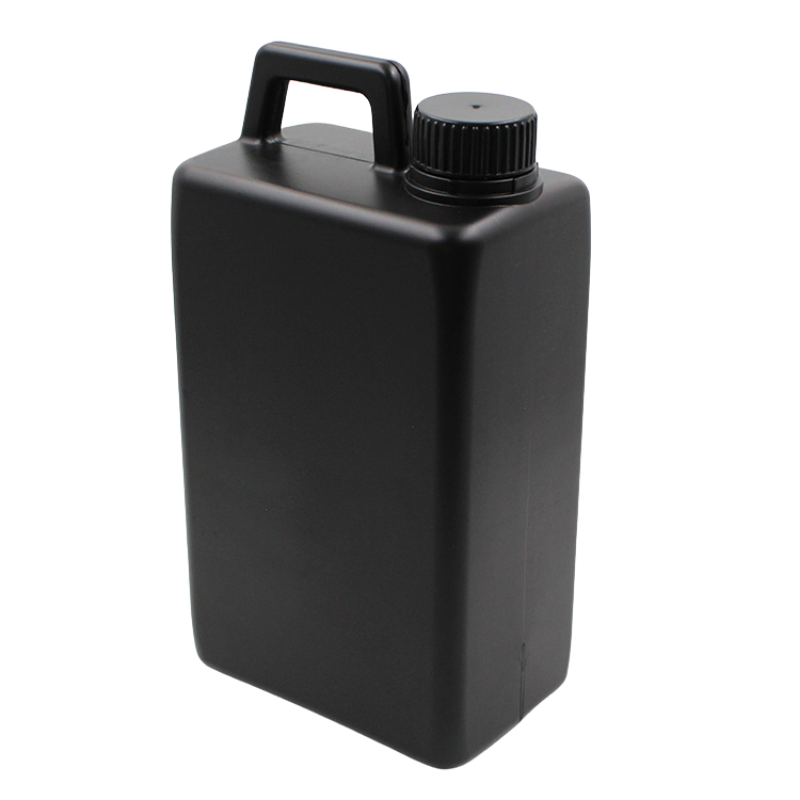
The beverage packaging industry is witnessing a significant transformation as producers and distributors increasingly explore alternatives to traditional glass containers. Among these innovations, lightweight plastic wine bottles have emerged as a compelling solution that addresses multiple operational, logistical, and environmental challenges. This shift represents more than just a material substitution—it reflects evolving priorities around transportation efficiency, consumer safety, sustainability considerations, and cost management. Understanding the specific advantages of lightweight plastic wine bottles enables beverage companies, distributors, and retailers to make informed decisions that align with both business objectives and market expectations.
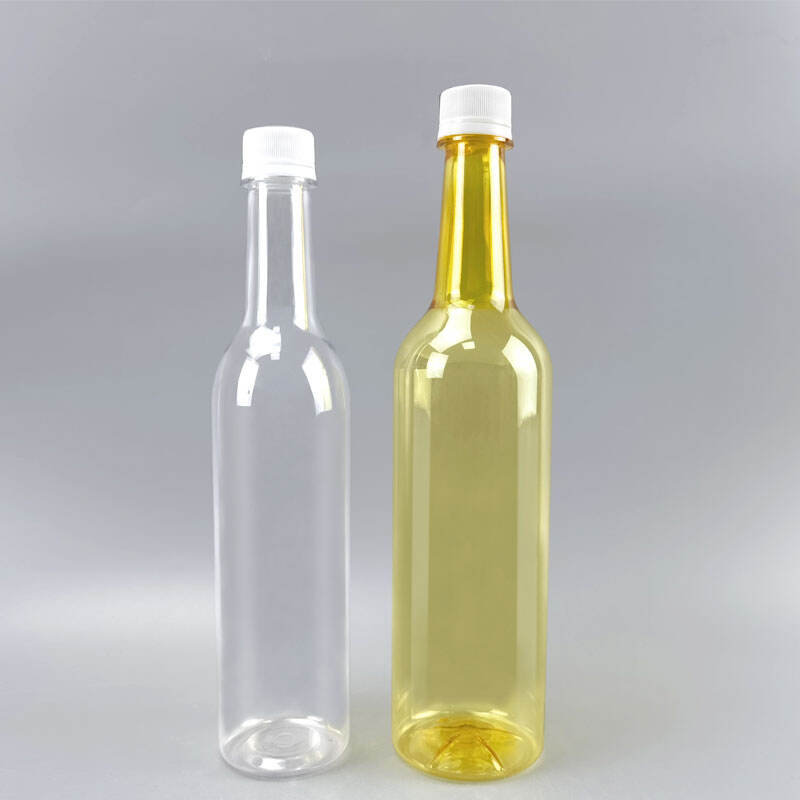
Switching to lightweight plastic wine bottles delivers tangible benefits across the entire supply chain, from production facilities to end consumers. These advantages span reduced shipping costs, enhanced safety during handling and transport, improved sustainability metrics through lower carbon footprints, and greater design flexibility that supports brand differentiation. For businesses operating in competitive beverage markets, the transition to lightweight plastic wine bottles offers strategic value that extends beyond simple packaging choices. This comprehensive examination explores the multifaceted advantages that make lightweight plastic wine bottles an increasingly attractive option for wine producers, spirits manufacturers, and beverage distributors seeking to optimize their packaging strategies while meeting contemporary market demands.
Significant Transportation and Logistics Cost Reduction
Weight-Driven Shipping Savings Across Distribution Networks
The most immediate financial advantage of lightweight plastic wine bottles manifests in dramatically reduced transportation costs throughout the distribution chain. Traditional glass bottles typically weigh between 400 to 900 grams per unit, whereas lightweight plastic wine bottles constructed from PET or similar polymers weigh approximately 30 to 60 grams for equivalent volumes. This weight differential translates directly into lower freight charges, whether shipping occurs via truck, rail, sea, or air. Beverage distributors handling large volumes can reduce per-unit shipping costs by 40 to 60 percent when transitioning from glass to lightweight plastic wine bottles, creating substantial savings that improve overall profitability and competitive pricing flexibility.
Beyond direct freight cost reductions, lightweight plastic wine bottles enable more efficient use of cargo space and weight capacity. A standard shipping pallet can accommodate significantly more units when lightweight plastic wine bottles replace glass equivalents, maximizing payload efficiency without exceeding weight limits imposed by carriers or regulatory authorities. This increased density per shipment reduces the number of trips required to move equivalent product volumes, further lowering logistics expenses while simultaneously decreasing fuel consumption and associated environmental impacts. For regional distributors and national beverage companies alike, these logistics advantages create meaningful operational efficiencies that compound across thousands of shipments annually.
Reduced Handling Requirements and Labor Efficiency
The lighter weight of plastic wine bottles directly impacts warehouse operations and handling efficiency throughout the supply chain. Workers can move, stack, and organize lightweight plastic wine bottles more quickly and with less physical strain compared to heavier glass containers. This efficiency gain translates into faster warehouse throughput, reduced labor hours per unit processed, and lower risk of workplace injuries related to repetitive lifting and handling. Distribution centers processing beverage products report productivity improvements of 15 to 25 percent when handling lightweight plastic wine bottles instead of traditional glass packaging, contributing to lower operational costs and improved worker safety metrics.
The reduced physical burden associated with lightweight plastic wine bottles also extends equipment longevity and reduces maintenance requirements. Conveyor systems, robotic handling equipment, and automated sorting machinery experience less mechanical stress when processing lighter containers, resulting in fewer breakdowns, extended service intervals, and lower maintenance costs. These operational advantages accumulate over time, creating long-term cost savings that complement the immediate transportation benefits. For beverage companies managing extensive distribution networks, the cumulative effect of these handling efficiencies represents a significant competitive advantage that supports improved margins and operational scalability.
Enhanced Safety and Reduced Breakage Throughout the Supply Chain
Elimination of Glass Fragility Risks
One of the most compelling advantages of lightweight plastic wine bottles is their inherent resistance to breakage during handling, transportation, and storage. Glass containers, despite their traditional association with premium beverages, present ongoing challenges related to fragility and breakage losses. Industry data indicates that glass bottle breakage rates typically range from 2 to 8 percent across the distribution chain, depending on handling practices and transportation conditions. In contrast, lightweight plastic wine bottles demonstrate breakage rates below 0.5 percent under comparable conditions, virtually eliminating product loss due to container failure and the associated financial impacts.
The elimination of breakage risk extends beyond direct product loss to encompass additional safety and operational benefits. Broken glass creates workplace hazards that require immediate cleanup, pose injury risks to workers, and can contaminate surrounding products. These incidents generate hidden costs including labor for cleanup, disposal of damaged goods, potential liability claims, and operational disruptions. Lightweight plastic wine bottles eliminate these concerns entirely, creating safer work environments in production facilities, warehouses, retail backrooms, and consumer settings. For beverage companies prioritizing workplace safety and operational reliability, this advantage represents a significant qualitative improvement that supports both regulatory compliance and corporate responsibility objectives.
Consumer Safety and Outdoor Use Applications
The unbreakable nature of lightweight plastic wine bottles creates unique opportunities for market expansion into settings where glass containers are impractical or prohibited. Outdoor venues including concerts, sporting events, festivals, beaches, and poolside environments increasingly restrict or ban glass containers due to safety concerns. Lightweight plastic wine bottles enable wine producers and beverage companies to serve these high-volume, high-visibility markets without compromising product presentation or consumer experience. This market access advantage opens revenue streams that would otherwise remain unavailable to products packaged exclusively in glass containers.
Consumer safety extends to household settings where lightweight plastic wine bottles reduce risks associated with accidental drops or impacts. Families with children, elderly individuals with reduced grip strength, and consumers who enjoy beverages in outdoor home settings benefit from the durability and safety characteristics of plastic packaging. This safety advantage enhances consumer confidence and can influence purchasing decisions, particularly among demographic segments that prioritize practical convenience alongside product quality. For beverage brands seeking to differentiate their offerings and expand market reach, lightweight plastic wine bottles provide a tangible safety benefit that resonates with specific consumer segments and usage occasions.
Environmental Sustainability and Carbon Footprint Advantages
Reduced Production Energy and Raw Material Efficiency
The manufacturing process for lightweight plastic wine bottles requires substantially less energy compared to glass bottle production, contributing to improved environmental performance metrics. Glass manufacturing involves melting raw materials at temperatures exceeding 1400 degrees Celsius, a highly energy-intensive process that generates significant carbon emissions. In contrast, the production of lightweight plastic wine bottles through injection molding or stretch blow molding processes operates at temperatures below 300 degrees Celsius, reducing energy consumption by approximately 60 to 70 percent per unit produced. This energy efficiency translates directly into lower greenhouse gas emissions associated with container manufacturing, supporting corporate sustainability goals and reducing the environmental impact of beverage packaging.
Beyond production energy savings, lightweight plastic wine bottles utilize raw materials more efficiently than glass alternatives. The material-to-package weight ratio for plastic bottles significantly exceeds that of glass, meaning less raw material is required to create equivalent functional packaging. This material efficiency reduces the environmental burden associated with raw material extraction, processing, and transportation. Additionally, modern PET and other plastics used in lightweight plastic wine bottles increasingly incorporate recycled content, further improving their environmental profile. Beverage companies committed to reducing their environmental footprint find that lightweight plastic wine bottles support measurable improvements in sustainability metrics that can be communicated to environmentally conscious consumers and stakeholders.
Transportation Carbon Footprint Reduction
The weight advantage of lightweight plastic wine bottles creates substantial reductions in transportation-related carbon emissions across the entire distribution network. Since freight vehicles consume fuel proportional to payload weight, the dramatic weight reduction achieved by substituting plastic for glass directly decreases fuel consumption and associated greenhouse gas emissions. Comprehensive lifecycle analyses demonstrate that lightweight plastic wine bottles can reduce transportation-related carbon emissions by 50 to 70 percent compared to glass bottles of equivalent capacity, even when accounting for differences in manufacturing emissions. For beverage companies with extensive distribution networks spanning regional, national, or international markets, these transportation emission reductions represent the largest single contributor to improved overall environmental performance.
The cumulative environmental benefit becomes particularly significant when considering the scale of beverage distribution operations. A mid-sized wine producer distributing one million bottles annually can reduce transportation carbon emissions by 100 to 150 metric tons of CO2 equivalent by switching to lightweight plastic wine bottles, an impact equivalent to removing 20 to 30 passenger vehicles from roads for an entire year. These tangible emission reductions support corporate sustainability commitments, enhance brand reputation among environmentally conscious consumers, and may contribute to regulatory compliance in jurisdictions implementing carbon reduction mandates. As environmental considerations increasingly influence purchasing decisions and corporate procurement policies, the carbon footprint advantages of lightweight plastic wine bottles provide both ethical and commercial value.
Design Flexibility and Brand Differentiation Opportunities
Enhanced Customization and Visual Appeal Options
Lightweight plastic wine bottles offer unprecedented design flexibility that enables beverage brands to create distinctive packaging that supports brand recognition and market differentiation. Modern plastic manufacturing technologies including injection molding, blow molding, and advanced labeling techniques allow for complex bottle shapes, integrated textures, and innovative structural features that would be impractical or cost-prohibitive with glass containers. Brands can incorporate custom embossing, unique ergonomic grips, distinctive silhouettes, and integrated branding elements directly into bottle designs, creating packaging that serves as a powerful marketing tool while maintaining the practical advantages of lightweight plastic construction.
The transparency and clarity achievable with PET and other plastic materials used in lightweight plastic wine bottles rival or exceed glass quality, ensuring that product presentation meets consumer expectations for premium beverages. Advanced plastic formulations maintain excellent optical properties while offering superior impact resistance and light weight. Additionally, plastic bottles accommodate sophisticated labeling technologies including shrink sleeves, in-mold labels, and digital printing that enable high-resolution graphics, variable data printing for limited editions, and cost-effective short-run customization. These design capabilities empower beverage brands to execute creative packaging strategies that enhance shelf presence, communicate brand stories effectively, and adapt packaging to specific market segments or promotional campaigns without the constraints imposed by traditional glass bottle production.
Barrier Properties and Product Protection
Modern lightweight plastic wine bottles incorporate advanced barrier technologies that effectively protect beverage contents from oxidation, light exposure, and contamination throughout the distribution chain and shelf life period. Multi-layer plastic structures, barrier coatings, and oxygen scavenger technologies enable lightweight plastic wine bottles to maintain product quality comparable to glass containers for appropriate product categories and consumption timeframes. These barrier properties prove particularly effective for wines intended for consumption within 12 to 18 months of bottling, which encompasses the majority of wine products sold through retail channels and represents a substantial market segment.
The protective capabilities of lightweight plastic wine bottles extend beyond oxygen barriers to include superior resistance to light transmission that can degrade light-sensitive beverage compounds. Plastic formulations can integrate UV blockers and light-screening additives more effectively than glass, which often requires separate coatings or colored glass that limits design flexibility. This comprehensive protection supports product quality maintenance while enabling transparent or lightly tinted bottle designs that showcase product appearance. For beverage producers focused on delivering consistent quality throughout the distribution chain, lightweight plastic wine bottles provide reliable product protection that meets technical requirements while supporting the previously discussed advantages in weight, safety, and cost efficiency.
Practical Implementation Considerations for Beverage Businesses
Production Line Compatibility and Transition Management
Transitioning to lightweight plastic wine bottles requires careful evaluation of existing production equipment and potential modifications to filling, capping, and labeling systems. Many modern beverage production lines can accommodate both glass and plastic bottles with minimal adjustments, though optimal efficiency may require dedicated equipment configurations. The lighter weight and different handling characteristics of lightweight plastic wine bottles often enable faster line speeds and reduced downtime associated with breakage incidents, potentially improving overall production capacity. Beverage producers considering this transition should conduct thorough assessments of current equipment capabilities, consult with packaging suppliers regarding compatibility requirements, and develop phased implementation plans that minimize operational disruptions.
The financial investment required for transitioning to lightweight plastic wine bottles typically proves modest compared to the ongoing operational savings and market advantages gained. While some production line modifications may be necessary, these investments are generally recovered within 12 to 24 months through reduced packaging costs, lower transportation expenses, and decreased breakage losses. Additionally, the flexibility of plastic bottle manufacturing enables smaller minimum order quantities compared to glass, reducing inventory carrying costs and enabling more responsive production planning. For beverage businesses evaluating packaging alternatives, the implementation pathway for lightweight plastic wine bottles presents manageable technical requirements with favorable return on investment timelines that support business case development and executive approval processes.
Consumer Perception and Market Positioning Strategies
Successfully introducing lightweight plastic wine bottles requires thoughtful attention to consumer perceptions and strategic market positioning that emphasizes the practical advantages while addressing potential concerns about packaging prestige. Consumer research indicates that acceptance of plastic wine bottles varies by product category, price point, and consumption context, with higher acceptance for casual consumption wines, outdoor occasions, and value-oriented segments. Beverage brands can enhance consumer acceptance by clearly communicating the environmental benefits, safety advantages, and practical convenience of lightweight plastic wine bottles through packaging messaging, point-of-sale materials, and digital marketing content that educates consumers about packaging innovation.
Market positioning strategies should align plastic bottle adoption with specific product lines and target audiences where advantages resonate most strongly. Wines positioned for outdoor entertainment, sporting events, casual gatherings, and everyday consumption represent ideal categories for lightweight plastic wine bottles, where practical benefits align with consumer priorities and usage occasions. Premium and ultra-premium wine segments may require more cautious approaches, though innovative brands have successfully positioned plastic bottles as forward-thinking sustainability choices that appeal to environmentally conscious affluent consumers. By matching packaging decisions to product positioning and target market characteristics, beverage companies can maximize the commercial benefits of lightweight plastic wine bottles while managing perception risks and building consumer acceptance over time.
FAQ
How does the cost of lightweight plastic wine bottles compare to traditional glass bottles?
Lightweight plastic wine bottles typically cost 30 to 50 percent less than comparable glass bottles when considering the complete cost structure including packaging materials, transportation, breakage losses, and handling expenses. While the per-unit material cost of plastic bottles may be similar to or slightly lower than glass, the dramatic reductions in shipping weight create substantial freight savings that accumulate across the distribution chain. Additionally, the virtual elimination of breakage losses and reduced handling labor contribute to total cost advantages that improve overall profitability for beverage producers and distributors.
Are lightweight plastic wine bottles suitable for long-term wine aging?
Lightweight plastic wine bottles are best suited for wines intended for consumption within 12 to 18 months of bottling, which represents the majority of wines sold through retail channels. Modern barrier technologies in plastic bottles effectively protect wine quality for this timeframe, maintaining freshness and preventing oxidation for ready-to-drink products. However, wines intended for extended aging beyond two years typically require the superior long-term oxygen barrier properties of glass bottles or alternative packaging formats. Beverage producers should match packaging selection to intended product shelf life and consumption patterns to ensure optimal quality maintenance throughout the distribution and consumption cycle.
What environmental considerations should businesses evaluate when switching to plastic bottles?
Businesses should conduct comprehensive lifecycle assessments that consider manufacturing energy, transportation emissions, end-of-life recyclability, and overall carbon footprint when evaluating lightweight plastic wine bottles. While plastic bottles offer substantial advantages in production energy efficiency and transportation emissions, the complete environmental picture depends on local recycling infrastructure, consumer disposal behaviors, and the availability of recycled content materials. Most lifecycle analyses demonstrate net environmental benefits for lightweight plastic wine bottles when transportation distances exceed 100 miles, with advantages increasing proportionally to distribution distance. Companies committed to sustainability should also prioritize suppliers offering bottles with high recycled content and support consumer education about proper recycling practices.
How do consumers perceive plastic wine bottles compared to traditional glass packaging?
Consumer perception of lightweight plastic wine bottles varies significantly by demographic segment, product category, and consumption context. Research indicates strong acceptance among younger consumers, environmentally conscious buyers, and purchasers seeking wines for outdoor or casual occasions, with acceptance rates exceeding 70 percent in these segments. Premium wine consumers may initially express skepticism about plastic packaging, though education about environmental benefits and product quality protection can improve acceptance. Successful market introduction requires clear communication emphasizing practical advantages, sustainability benefits, and safety features while positioning plastic bottles for appropriate product categories and price points where consumer priorities align with packaging advantages.
Table of Contents
- Significant Transportation and Logistics Cost Reduction
- Enhanced Safety and Reduced Breakage Throughout the Supply Chain
- Environmental Sustainability and Carbon Footprint Advantages
- Design Flexibility and Brand Differentiation Opportunities
- Practical Implementation Considerations for Beverage Businesses
-
FAQ
- How does the cost of lightweight plastic wine bottles compare to traditional glass bottles?
- Are lightweight plastic wine bottles suitable for long-term wine aging?
- What environmental considerations should businesses evaluate when switching to plastic bottles?
- How do consumers perceive plastic wine bottles compared to traditional glass packaging?